The Best Fluffy Pancakes recipe you will fall in love with. Full of tips and tricks to help you make the best pancakes.


Discover the authentic flavors of Morocco with our comprehensive guide to the Moroccan couscous dish, a staple in Moroccan cuisine that’s both delicious and steeped in tradition. In this article, we’ll explore the key ingredients, cooking techniques, and cultural nuances that make Moroccan couscous a beloved dish around the world. Whether you’re a seasoned chef or a culinary novice, join us on a journey to uncover the secrets of this iconic North African recipe.
1. Introduction to Moroccan Cuisine and Couscous
Moroccan cuisine is known for its rich flavors, aromas, and vibrant colors, with the Moroccan couscous dish being one of its most celebrated exports. Every Friday, families gather around the table for traditional couscous Friday, a time-honored tradition that showcases the dish’s significance in Moroccan culture. As we explore the world of Moroccan cooking, you’ll discover why this cuisine has captured the hearts and taste buds of people worldwide.
2. Key Ingredients & Kitchen Basics
To cook an authentic Moroccan couscous dish, you’ll need a few essential ingredients and kitchen tools. Start with high-quality couscous, a type of North African pasta made from semolina flour. Other crucial ingredients include a blend of spices (cumin, coriander, cinnamon, and turmeric), olive oil, preserved lemons, and a variety of vegetables and meats (chicken, beef, or lamb). Basic kitchen tools like a tagine pot, heavy pan, and tea pot are also necessary for preparing and serving Moroccan dishes.
When shopping for ingredients outside Morocco, look for Middle Eastern or North African markets, or online stores that specialize in international cuisine. You can substitute some ingredients with local alternatives, such as using regular lemons instead of preserved lemons or swapping tagine spices with a pre-mixed blend.
3. Moroccan Food Overview & Trends

Moroccan cuisine is diverse and rich, encompassing various dish families like tagines, couscous, street food, pastries, and salads. The Moroccan couscous dish is a staple in Moroccan cuisine, often served on special occasions and holidays. Globally, Moroccan food is gaining popularity due to its unique blend of flavors, aromas, and healthy ingredients. Trends like vegan and gluten-free adaptations, as well as fusion takes on classic recipes, are making Moroccan cuisine more accessible and appealing to a wider audience.
4. Step-by-Step Cooking / Recipe Guide

To prepare an authentic Moroccan couscous dish, follow these step-by-step instructions:
1. Rinse 1 cup of couscous and soak it in water for at least 30 minutes.
2. In a large pot, heat 2 tablespoons of olive oil and sauté 1 onion, 2 cloves of garlic, and 1 pound of chicken or beef until browned.
3. Add 2 cups of mixed vegetables (carrots, zucchini, bell peppers) and 1 cup of chopped tomatoes.
4. Season with 1 teaspoon of ground cumin, 1 teaspoon of ground coriander, and 1/2 teaspoon of turmeric.
5. Steam the couscous according to the package instructions, usually by placing it in a steamer basket over boiling water.
6. Fluff the cooked couscous with a fork and serve it with the vegetable and meat mixture.
7. Garnish with chopped fresh parsley, preserved lemon, and a drizzle of olive oil.
On traditional couscous Friday, families often gather around the table to share a delicious couscous meal, highlighting the dish’s importance in Moroccan culture.
5. Serving, Pairing & Moroccan Dining Culture
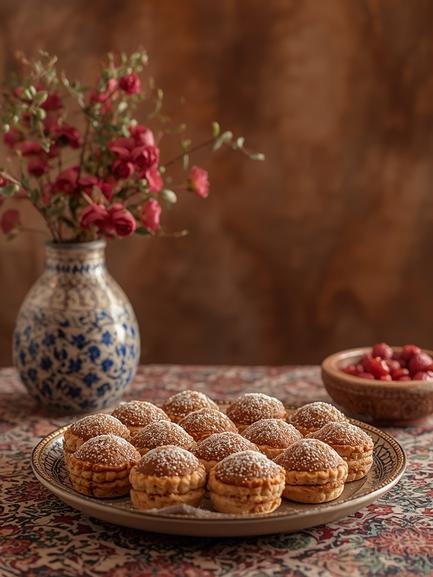
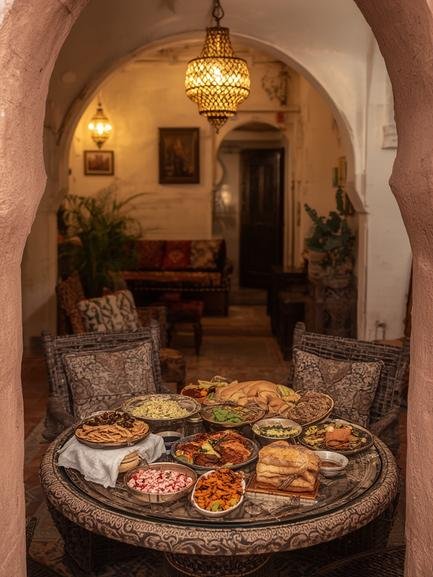
In Morocco, meals are often served family-style, with multiple dishes shared around the table. When serving couscous, accompany it with a variety of side dishes, such as salads, pickles, and grilled meats. Traditional Moroccan drinks like mint tea and fresh juices complement the meal nicely. For dessert, try serving sweet pastries like baklava or makroud.
6. Health, Nutrition & Dietary Adaptations
Moroccan cuisine is known for its emphasis on fresh ingredients, herbs, and spices, making it a relatively healthy choice. To adapt Moroccan couscous dish to different diets, try the following:
- For a vegan version, substitute meat with tofu or tempeh and use vegetable broth instead of chicken or beef broth.
- For a gluten-free version, use gluten-free couscous or substitute with quinoa or cauliflower rice.
- To reduce salt, use herbs and spices to add flavor instead of salt.
7. Common Mistakes & How to Avoid Them
When cooking Moroccan cuisine, common mistakes include overcooking the couscous, using too much liquid, and neglecting to marinate the meat. To avoid these mistakes, follow the package instructions for cooking couscous, use a moderate amount of liquid, and marinate the meat for at least 30 minutes before cooking.
8. Future of Moroccan Cuisine Worldwide
As Moroccan cuisine continues to gain popularity worldwide, we can expect to see more fusion takes on classic recipes, vegan and gluten-free adaptations, and innovative uses of traditional Moroccan ingredients. Food lovers, home cooks, and bloggers should watch for emerging trends like Moroccan street food tours, cooking classes, and social media influencers showcasing Moroccan cuisine.
9. Conclusion
In conclusion, the Moroccan couscous dish is a delicious and culturally significant staple in Moroccan cuisine. By understanding the key ingredients, cooking techniques, and cultural nuances behind this dish, you’ll be able to recreate the authentic flavors of Morocco in your own kitchen. Whether you’re celebrating traditional couscous Friday or simply exploring new recipes, we encourage you to experiment with spices, try new ingredients, and share your experiences with others.
10. Frequently Asked Questions
1. How difficult is it to cook Moroccan recipes for a beginner?
Cooking Moroccan recipes can be intimidating at first, but with practice and patience, beginners can master the dishes. Start with simple recipes like couscous and gradually experiment with more complex tagines and pastries.
2. What are the essential spices to buy for Moroccan cooking?
Start with basic spices like cumin, coriander, cinnamon, and turmeric. You can gradually add more spices to your collection as you explore different Moroccan recipes.
3. Can I store leftover Moroccan couscous?
Yes, you can store leftover couscous in an airtight container in the refrigerator for up to 3 days. Reheat it with a little water or broth to restore its texture.
4. Are there vegetarian options in Moroccan cuisine?
Yes, Moroccan cuisine offers a variety of vegetarian options like vegetable tagines, salads, and couscous dishes. You can easily adapt many recipes to suit a vegetarian diet.
5. What are the best Moroccan dishes to serve to guests?
For a impressive Moroccan meal, consider serving a variety of dishes like couscous, tagines, salads, and pastries. Don’t forget to include traditional drinks like mint tea and fresh juices.