The Best Fluffy Pancakes recipe you will fall in love with. Full of tips and tricks to help you make the best pancakes.


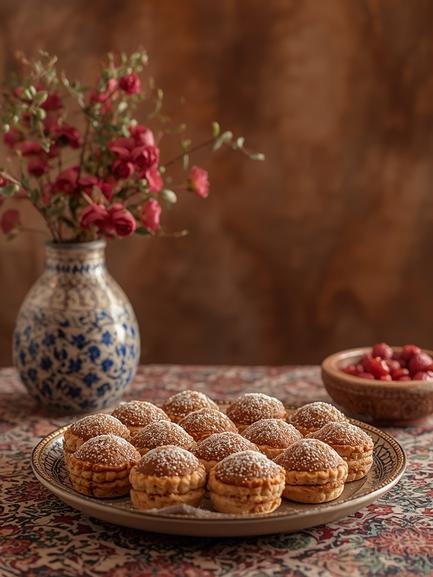
Moroccan cuisine is a rich tapestry of flavors, aromas, and textures that captivate the senses and invite exploration. At the heart of this culinary journey are the delicious Moroccan desserts, a sweet finale to any meal that has become a treat for tourists sweets visiting Morocco.
The allure of Moroccan food lies not just in its taste but in the cultural stories and traditions behind each dish.
2. Key Ingredients & Kitchen Basics
To embark on a culinary journey through Morocco, it’s essential to familiarize yourself with key ingredients and kitchen tools. Moroccan cuisine relies heavily on a mix of spices, including cumin, coriander, cinnamon, and ginger, alongside olive oil, preserved lemons, and couscous. Basic kitchen tools like a tagine pot, a heavy pan for frying, and a tea pot for serving traditional Moroccan mint tea are must-haves. For those outside Morocco, finding substitutes and ingredients can be as simple as visiting Middle Eastern or international grocery stores or shopping online.
3. Moroccan Food Overview & Trends
Moroccan cuisine is diverse, ranging from hearty tagines and couscous dishes to vibrant street food, intricate pastries, and fresh salads. Globally, Moroccan food is appreciated for its rich flavors and healthy ingredients. Trends in Moroccan cuisine include healthy twists on traditional recipes, vegan options that adapt classic dishes to plant-based diets, and fusion takes that blend Moroccan flavors with international cuisines.
4. Step-by-Step Cooking / Recipe Guide
One of the most beloved Moroccan desserts is the Ghriba, a shortbread-like cookie that combines the richness of butter with the sweetness of sugar and the warmth of spices. To make Ghriba, you’ll need 2 cups of all-purpose flour, 1/2 cup of confectioner’s sugar, 1/4 teaspoon of salt, 1/2 teaspoon of baking powder, 1/2 cup of unsalted butter softened, 1 egg, and 1 teaspoon of vanilla extract. Here’s a simple step-by-step guide:
1. Preheat your oven to 325°F (165°C) and line a baking sheet with parchment paper.
2. In a bowl, whisk together the flour, confectioner’s sugar, salt, and baking powder.
3. Add the softened butter and mix until the dough comes together. Beat in the egg and vanilla extract.
4. Shape the dough into small balls and flatten them slightly.
5. Bake for 20-25 minutes or until lightly golden.
This dessert is a favorite for tourists sweets due to its unique blend of flavors and textures.
5. Serving, Pairing & Moroccan Dining Culture
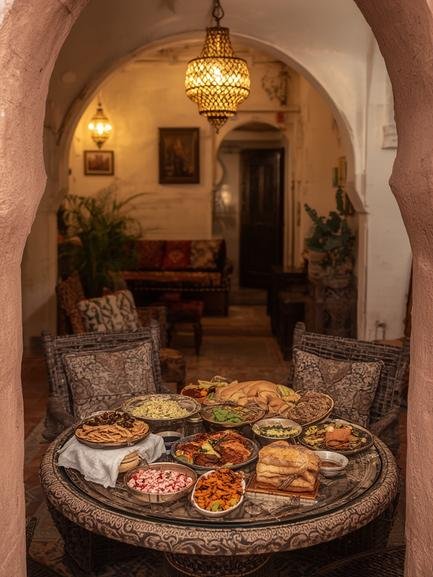
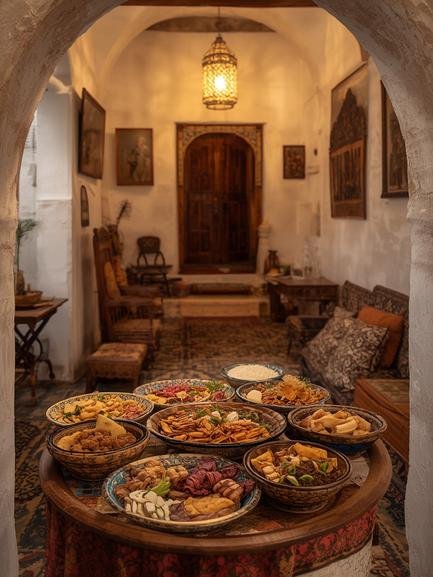
In Morocco, meals are a communal experience, with dishes served family-style and bread used as a utensil to scoop up a variety of flavors. Traditional Moroccan tea, made with green tea, fresh mint, and sugar, is an integral part of dining culture. When serving Moroccan desserts, consider pairing them with a cup of this refreshing tea or a coffee for a delightful contrast.
6. Health, Nutrition & Dietary Adaptations
Moroccan cuisine is known for its use of fresh ingredients, herbs, and spices, making it relatively healthy. However, adapting recipes to suit different diets is straightforward. For vegetarian or vegan diets, substituting meat with plant-based alternatives or focusing on vegetable tagines and couscous dishes is easy. Gluten-free diets can be accommodated by using gluten-free flours for baked goods and being mindful of the ingredients in traditional dishes.
7. Common Mistakes & How to Avoid Them
Common mistakes when cooking Moroccan food include overcooking, misbalancing spices, using too much liquid, and skipping marination. To avoid these, always marinate your ingredients, monitor your cooking times, and adjust spices to taste. When making desserts, ensure your butter is at the right temperature for perfect pastry.
8. Future of Moroccan Cuisine Worldwide
Moroccan cuisine is gaining popularity worldwide, with popular dishes being featured in restaurants abroad, street food tours becoming more common, and cooking classes offering a hands-on experience of Moroccan culinary traditions. Social media is also playing a significant role in spreading the appeal of Moroccan food, with influencers and bloggers sharing their experiences and recipes.
9. Conclusion
In conclusion, Moroccan desserts offer a sweet and inviting gateway into the world of Moroccan cuisine, a culinary journey that’s as much about flavors as it is about culture and tradition. Whether you’re a food enthusiast or looking to explore new recipes, Moroccan desserts and other dishes are sure to captivate. For those traveling or interested in culinary tourism, exploring local sweets and treats can be a delightful experience, discovering new favorites among the variety of sweets available for tourists sweets.
10. FAQs
1. Are Moroccan recipes hard for beginners to follow?
– Moroccan recipes can seem complex due to the variety of spices and ingredients used, but many are straightforward once you understand the basics.
2. How do I store Moroccan leftovers?
– Most Moroccan dishes can be refrigerated for a few days. Reheat gently to preserve flavors.
3. What are the essential spices to start with in Moroccan cooking?
– Cumin, coriander, cinnamon, ginger, and turmeric are fundamental.
4. Are there many vegetarian options in Moroccan cuisine?
– Yes, Moroccan cuisine offers a wide range of vegetarian dishes, including tagines and couscous.
5. What are the best Moroccan dishes to cook for guests?
– Tagines, couscous with vegetables, and pastilla are always crowd-pleasers.