The Best Fluffy Pancakes recipe you will fall in love with. Full of tips and tricks to help you make the best pancakes.


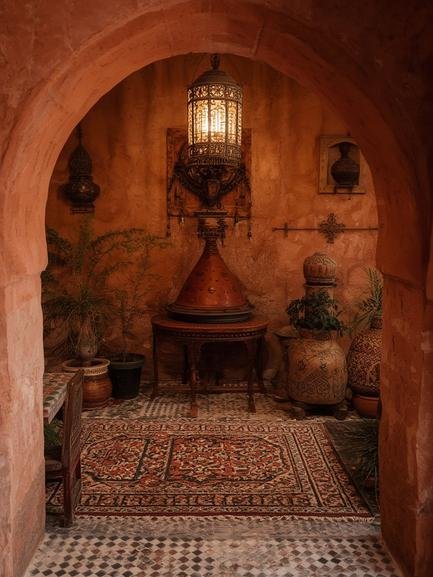
Moroccan Liver Tagine 7 Steps to Authentic Flavor
Discover the rich flavors of Morocco with our guide to cooking Moroccan Liver Tagine, an Organ meat speciality that’s both delicious and steeped in tradition. Moroccan cuisine is a fascinating blend of Mediterranean, Arab, and African flavors, and cooking Moroccan dishes can be a fun and rewarding experience for home cooks today.
1. Introduction
Moroccan cuisine is known for its rich flavors, aromas, and vibrant colors, and Moroccan Liver Tagine is one of its most intriguing dishes. As an Organ meat speciality, it may not be familiar to everyone, but it’s definitely worth trying. In this article, we’ll explore the world of Moroccan cooking, its key ingredients, and provide a step-by-step guide to making an authentic Moroccan Liver Tagine.
2. Key Ingredients & Kitchen Basics
To start cooking Moroccan dishes, you’ll need some essential ingredients and kitchen tools. Some of the key ingredients include:
– Spices: cumin, coriander, ginger, cinnamon, turmeric, and paprika
– Olive oil
– Preserved lemons
– Couscous
– Fresh herbs like parsley and cilantro
You’ll also need some basic kitchen tools like a tagine pot, a heavy pan, and a tea pot. If you can’t find certain ingredients locally, you can try substituting them or shopping online.
3. Moroccan Food Overview & Trends
Moroccan cuisine is diverse and rich, with several main families of dishes:
– Tagines: slow-cooked stews made with meat, vegetables, and dried fruits
– Couscous: a traditional North African dish made from semolina flour
– Street food: grilled meats, savory pastries, and fresh salads
– Pastries: sweet and savory treats like baklava and msemen
– Salads: fresh and flavorful combinations of vegetables, fruits, and nuts
Moroccan food is gaining popularity worldwide, with trends like healthy twists, vegan options, and fusion takes on classic recipes.
4. Step-by-Step Cooking / Recipe Guide
Now, let’s dive into the recipe for Moroccan Liver Tagine. This dish is an Organ meat speciality that’s both flavorful and nutritious.
Ingredients:
– 500g lamb or beef liver, cut into small pieces
– 2 tablespoons olive oil
– 1 onion, chopped
– 2 cloves garlic, minced
– 1 tablespoon grated ginger
– 1 teaspoon ground cumin
– 1 teaspoon ground coriander
– 1/2 teaspoon turmeric
– 1/2 teaspoon paprika
– Salt and black pepper
– 2 tablespoons chopped fresh parsley
– 2 tablespoons chopped fresh cilantro
– 2 preserved lemons, chopped
– 1/4 cup chopped olives
Instructions:
1. Heat the olive oil in a tagine or heavy pan over medium heat.
2. Add the chopped onion and cook until softened, about 5 minutes.
3. Add the minced garlic and grated ginger and cook for another minute.
4. Add the liver pieces and cook until browned, about 5 minutes.
5. Add the cumin, coriander, turmeric, paprika, salt, and black pepper. Stir well.
6. Add the chopped preserved lemons and olives. Stir well.
7. Cover the tagine or pan and simmer for 20-25 minutes, or until the liver is cooked through.
5. Serving, Pairing & Moroccan Dining Culture
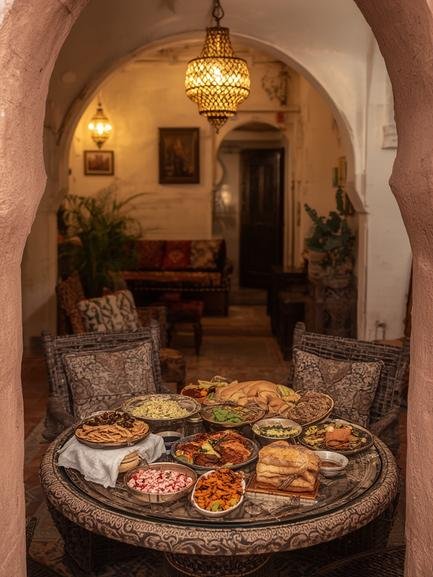
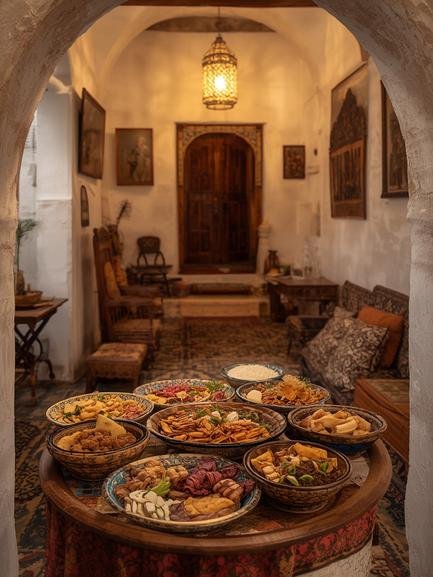
In Morocco, meals are often served family-style, with multiple dishes shared among guests. Bread is a staple, used to scoop up food instead of cutlery. When serving Moroccan Liver Tagine, consider pairing it with couscous, a fresh salad, and some crusty bread. For drinks, Moroccan mint tea is a classic choice.
6. Health, Nutrition & Dietary Adaptations
Moroccan cuisine is known for its emphasis on fresh ingredients, herbs, and spices, making it a healthy and flavorful choice. To adapt Moroccan Liver Tagine to different diets, you can try substituting the liver with chicken or vegetables for a vegetarian or vegan version.
7. Common Mistakes & How to Avoid Them
When cooking Moroccan dishes, some common mistakes to avoid include:
– Overcooking the meat or vegetables
– Using too much liquid, resulting in a soggy or watery dish
– Skipping the marination step, which can affect the flavor and tenderness of the meat
– Not balancing the spices correctly, leading to an overpowering or bland flavor
8. Future of Moroccan Cuisine Worldwide
Moroccan cuisine is gaining popularity worldwide, with more restaurants, food blogs, and social media influencers sharing its rich flavors and traditions. As the world becomes more interconnected, we can expect to see more fusion takes on classic Moroccan recipes, as well as a growing interest in healthy and sustainable Moroccan cooking.
9. Conclusion
In conclusion, Moroccan Liver Tagine is a delicious and authentic Organ meat speciality that’s worth trying. With its rich flavors and aromas, Moroccan cuisine has something to offer every home cook and food lover. By following the steps outlined in this article, you can create an authentic Moroccan Liver Tagine that’s sure to impress your friends and family.
10. FAQs
Q: Are Moroccan recipes hard for beginners to follow?
A: Not necessarily! While some Moroccan dishes may require special ingredients or techniques, many recipes are simple and straightforward.
Q: How do I store leftovers of Moroccan dishes?
A: Most Moroccan dishes can be stored in the fridge for 2-3 days or frozen for longer storage. Reheat gently before serving.
Q: What are some essential spices to buy for Moroccan cooking?
A: Start with the basics: cumin, coriander, ginger, cinnamon, turmeric, and paprika.
Q: Are there many vegetarian options in Moroccan cuisine?
A: Yes! Many Moroccan dishes are vegetarian or can be easily adapted to be vegetarian.
Q: What are some popular Moroccan dishes to cook for guests?
A: Tagines, couscous, and savory pastries are all great options. Consider serving a variety of small dishes to share.