The Best Fluffy Pancakes recipe you will fall in love with. Full of tips and tricks to help you make the best pancakes.


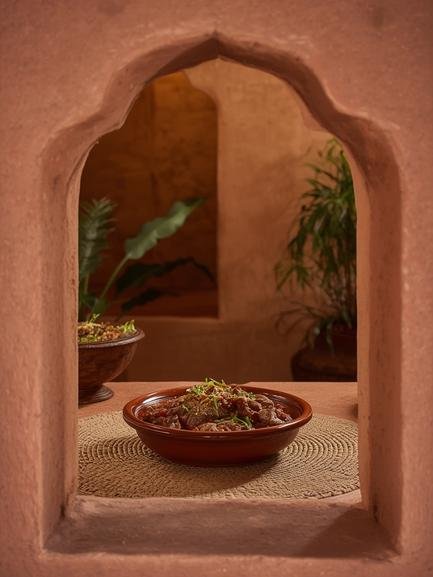
Moroccan Beef Tagine 7 Secrets: Unlock the Flavors of Morocco
Discover the rich flavors and aromas of Moroccan cuisine with our guide to cooking the perfect Moroccan Beef Tagine, a quintessential Meat stew classic that warms the heart and delights the senses.
1. Introduction
Moroccan cuisine is a rich tapestry of flavors, textures, and aromas that reflect the country’s diverse cultural heritage. As you embark on a culinary journey through Morocco, you’ll discover that Moroccan Beef Tagine is one of the most iconic and beloved dishes, embodying the essence of a traditional Meat stew classic. This slow-cooked masterpiece is a staple of Moroccan cooking, and its popularity extends far beyond the country’s borders.
2. Key Ingredients & Kitchen Basics
To cook authentic Moroccan dishes, you’ll need to familiarize yourself with the essential ingredients and kitchen tools. Some of the key components include:
– Aromatic spices like cumin, coriander, cinnamon, and ginger
– Olive oil and preserved lemons for added depth of flavor
– Couscous, a staple carbohydrate in Moroccan cuisine
– A traditional tagine pot or a heavy-bottomed pan as a substitute
– Basic kitchen utensils like a mortar and pestle for spice preparation
For international readers, finding substitutes and sourcing ingredients can be challenging. However, most Moroccan ingredients are now widely available in specialty stores or online. Preserved lemons, for instance, can be made at home or purchased at Middle Eastern or North African markets.
3. Moroccan Food Overview & Trends
Moroccan cuisine is characterized by its rich diversity, with main families of dishes including tagines, couscous, street food, pastries, and salads. Globally, Moroccan food is perceived as exotic, aromatic, and flavorful, with a growing trend towards healthy twists, vegan options, and fusion takes on classic recipes. As the world becomes more interconnected, Moroccan cuisine continues to evolve, incorporating new flavors and techniques while maintaining its traditional essence.
4. Step-by-Step Cooking / Recipe Guide
To prepare a delicious Moroccan Beef Tagine, follow these steps:
1. Prepare the Spice Blend: Mix together cumin, coriander, cinnamon, ginger, and turmeric.
2. Marinate the Beef: Combine beef chunks with the spice blend, olive oil, and lemon juice. Let it marinate for at least 2 hours.
3. Sauté Onions and Meat: Cook the marinated beef and onions in a tagine or heavy pan until the meat is browned.
4. Add Liquid and Simmer: Add water or beef broth, along with chopped preserved lemons and olives, to the pan. Simmer for 2-3 hours until the meat is tender.
5. Serve: Serve the Moroccan Beef Tagine over couscous, garnished with fresh herbs. This hearty dish is a classic example of a Meat stew classic, perfect for warming the soul.
5. Serving, Pairing & Moroccan Dining Culture
In Morocco, meals are a communal affair, with dishes served family-style and bread used as a utensil. When serving Moroccan Beef Tagine, consider pairing it with a refreshing salad, crusty bread, and a pot of mint tea. For dessert, sweet pastries or fresh fruit are excellent choices. The key is to create a welcoming atmosphere that encourages sharing and conversation.
6. Health, Nutrition & Dietary Adaptations
Moroccan cuisine is known for its balance of flavors and nutrients, with a focus on whole grains, vegetables, and lean proteins. To adapt recipes for different diets, consider the following:
– Vegetarian/Vegan: Replace meat with vegetables or legumes, and use plant-based alternatives to dairy.
– Gluten-Free: Substitute couscous with gluten-free grains or use gluten-free flours for pastries.
– Low-Salt: Reduce salt by using herbs and spices for flavor.
By making these adjustments, you can enjoy authentic Moroccan flavors while catering to various dietary needs.
7. Common Mistakes & How to Avoid Them
When cooking Moroccan dishes, common mistakes include overcooking, using too much liquid, and neglecting marination. To avoid these pitfalls:
– Monitor Cooking Time: Tagines are slow-cooked, but be mindful of the cooking time to prevent the meat from becoming tough.
– Balance Flavors: Adjust the amount of spices and seasonings to achieve a harmonious balance of flavors.
– Use the Right Cookware: A traditional tagine pot or a heavy-bottomed pan is essential for even heat distribution.
By being aware of these potential mistakes, you can ensure a successful and delicious cooking experience.
8. Future of Moroccan Cuisine Worldwide
As Moroccan cuisine continues to gain popularity globally, we can expect to see more innovative takes on traditional recipes, as well as increased interest in cooking classes, street food tours, and social media trends. The future of Moroccan cuisine is bright, with a growing community of food enthusiasts eager to explore and share the rich flavors of Morocco.
9. Conclusion
In conclusion, Moroccan Beef Tagine is a quintessential dish that embodies the spirit of Moroccan cuisine, a true representation of a Meat stew classic. By understanding the key ingredients, cooking techniques, and cultural context, you can unlock the flavors of Morocco and bring a taste of this vibrant culture to your table. We encourage you to experiment with new recipes, explore the world of Moroccan spices, and continue your culinary journey with our guides.
10. FAQs
1. Is Moroccan Beef Tagine difficult to cook for beginners?
Moroccan Beef Tagine may seem intimidating, but with a clear recipe and basic kitchen tools, it’s accessible to cooks of all levels.
2. How do I store leftovers of Moroccan Tagine?
Leftovers can be stored in an airtight container in the refrigerator for up to 3 days. Reheat gently before serving.
3. What are the essential spices to start with in Moroccan cooking?
Begin with cumin, coriander, cinnamon, ginger, and turmeric. These spices form the foundation of many Moroccan dishes.
4. Are there vegetarian options in Moroccan cuisine?
Yes, Moroccan cuisine offers a variety of vegetarian dishes, such as vegetable tagines and stuffed peppers.
5. What are the best Moroccan dishes to cook for guests?
Moroccan Beef Tagine, Chicken Tagine with Preserved Lemons, and Couscous with Vegetables are all popular and impressive choices.