The Best Fluffy Pancakes recipe you will fall in love with. Full of tips and tricks to help you make the best pancakes.


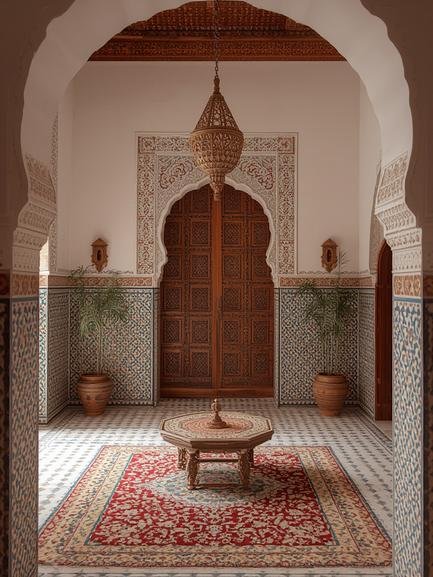
Discover the flavors of Morocco with Moroccan makouda, a delicious potato dish that’s perfect for snacking or as a side. In this article, we’ll explore the world of Moroccan cuisine, its key ingredients, and cooking techniques.
1. Introduction
Moroccan cuisine is a vibrant blend of Arab, Mediterranean, and African flavors, offering a rich culinary experience. Moroccan makouda is a popular street food in Morocco, similar to potato fritters Morocco, and is enjoyed by locals and visitors alike. As we delve into the world of Moroccan cooking, you’ll discover the secrets behind this tasty dish and more.
2. Key Ingredients & Kitchen Basics
To cook Moroccan dishes, you’ll need some essential ingredients and kitchen tools. Key ingredients include spices like cumin, coriander, and paprika, as well as olive oil, preserved lemons, and couscous. Basic kitchen tools include a tagine pot, heavy pan, and tea pot.
For international readers, finding substitutes and buying ingredients outside Morocco can be challenging. However, many Moroccan ingredients are now available online or in specialty stores. You can substitute some ingredients with local alternatives, such as using regular lemons instead of preserved lemons.
3. Moroccan Food Overview & Trends
Moroccan cuisine is characterized by several main families of dishes: tagines, couscous, street food, pastries, and salads. Globally, Moroccan food is perceived as exotic and flavorful, with a growing interest in healthy twists, vegan options, and fusion takes on classic recipes.
4. Step-by-Step Cooking / Recipe Guide
To make Moroccan makouda, you’ll need the following ingredients: 3-4 large potatoes, 1 onion, 2 cloves of garlic, 1/4 cup chopped fresh parsley, 1/4 cup chopped fresh cilantro, 1 tsp ground cumin, 1 tsp paprika, salt and black pepper, 2 eggs, and vegetable oil for frying. Here’s a step-by-step guide:
1. Boil the potatoes until they’re tender, then mash them.
2. Finely chop the onion, garlic, parsley, and cilantro.
3. Mix the mashed potatoes with the chopped ingredients, cumin, paprika, salt, and black pepper.
4. Shape the mixture into patties.
5. Dip each patty into the beaten eggs and coat with a little flour.
6. Fry the patties in hot oil until they’re golden brown and crispy.
7. Serve the Moroccan makouda hot with a side of tangy sauce or as a snack on its own, similar to potato fritters Morocco.

5. Serving, Pairing & Moroccan Dining Culture
In Morocco, meals are often served family-style, with multiple dishes placed in the center of the table. Bread is a staple, used instead of cutlery to scoop up food. When serving Moroccan dishes to international guests, consider pairing them with complementary side dishes and drinks.
6. Health, Nutrition & Dietary Adaptations
Moroccan cuisine is known for its rich flavors and aromas, often achieved with a blend of spices and herbs. Many Moroccan dishes are vegetarian or vegan-friendly, and can be adapted to suit various dietary needs. To make Moroccan recipes gluten-free, substitute wheat flour with gluten-free alternatives.
7. Common Mistakes & How to Avoid Them
When cooking Moroccan food, common mistakes include overcooking, using the wrong spice balance, and skipping marination. To avoid these mistakes, follow recipe instructions carefully, and adjust spice levels to your taste.
8. Future of Moroccan Cuisine Worldwide
As Moroccan cuisine continues to spread globally, popular dishes like tagines and couscous are becoming increasingly well-known. Street food tours, cooking classes, and social media trends are also contributing to the growing interest in Moroccan food.
9. Conclusion
In conclusion, Moroccan cuisine offers a rich and diverse culinary experience, with dishes like Moroccan makouda and potato fritters Morocco showcasing the country’s love for flavorful street food. We encourage you to try new recipes, experiment with spices, and explore more guides on our site.
10. FAQs
1. Are Moroccan recipes difficult for beginners to follow?
Moroccan recipes can be straightforward, but some may require specific ingredients or techniques. Start with simple dishes and gradually experiment with new flavors and ingredients.
2. How do I store leftovers of Moroccan dishes?
Store leftovers in airtight containers in the refrigerator for up to 3 days. Reheat gently before serving.
3. What are the essential spices to buy for Moroccan cooking?
Start with cumin, coriander, paprika, cinnamon, and turmeric. These spices form the foundation of many Moroccan dishes.
4. Are there vegetarian options in Moroccan cuisine?
Yes, many Moroccan dishes are vegetarian or vegan-friendly, such as vegetable tagines and salads.
5. What are the best Moroccan dishes to cook for guests?
Consider making classic dishes like chicken tagine, couscous with vegetables, or Moroccan makouda for a delicious and memorable meal.