The Best Fluffy Pancakes recipe you will fall in love with. Full of tips and tricks to help you make the best pancakes.


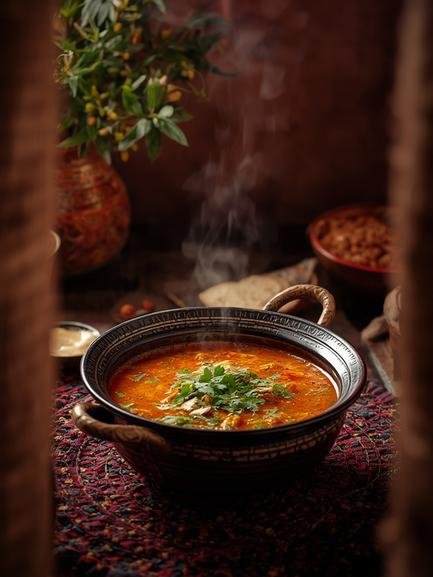
Discover the rich flavors and cultural significance of Moroccan harira soup, a traditional dish that’s both nourishing and delicious. In this article, we’ll explore the world of Moroccan cuisine, its key ingredients, cooking techniques, and the role of harira soup in Moroccan culture, including its importance as a Ramadan soup Morocco.
1. Introduction
Moroccan cuisine is a vibrant and diverse reflection of the country’s history, geography, and cultural heritage. As you explore the world of Moroccan cooking, you’ll discover a rich tapestry of flavors, aromas, and traditions that are sure to captivate your senses. Moroccan harira soup is a staple dish that’s both comforting and flavorful, while Ramadan soup Morocco holds a special significance during the holy month. Let’s dive into the world of Moroccan cuisine and uncover its secrets.
2. Key Ingredients & Kitchen Basics
To cook authentic Moroccan dishes, you’ll need to familiarize yourself with the essential ingredients and kitchen tools. Some of the key ingredients include:
- Spices: cumin, coriander, cinnamon, ginger, and turmeric
- Olive oil
- Preserved lemons
- Couscous
- Fresh herbs: parsley, cilantro, and mint
Basic kitchen tools include a tagine pot, heavy pan, and tea pot. You can find substitutes for some ingredients and buy others online or at specialty stores.
3. Moroccan Food Overview & Trends
Moroccan cuisine is characterized by its rich flavors, aromas, and diverse influences. The main families of Moroccan dishes include:
- Tagines: slow-cooked stews made with meat, vegetables, and dried fruits
- Couscous: a traditional North African dish made from semolina flour
- Street food: popular snacks like msemen, zalabia, and kebabs
- Pastries: sweet and savory treats like baklava and b’stilla
- Salads: fresh and flavorful combinations of vegetables, fruits, and nuts
Moroccan food is perceived worldwide as a unique blend of African, Arab, and Mediterranean cuisines. Trends include healthy twists on classic recipes, vegan options, and fusion takes on traditional dishes.
4. Step-by-Step Cooking / Recipe Guide
To prepare a delicious Moroccan harira soup, follow these step-by-step instructions:
1. Prepare the ingredients: Chop 1 onion, 2 tomatoes, and 1 bunch of fresh parsley and cilantro. Drain and rinse 1 cup of chickpeas.
2. Sauté the aromatics: Heat 2 tablespoons of olive oil in a large pot over medium heat. Add the chopped onion and cook until softened.
3. Add the spices and tomatoes: Add 1 teaspoon of ground cumin, 1 teaspoon of ground coriander, and 1/2 teaspoon of ground cinnamon. Cook for 1 minute. Add the chopped tomatoes, chickpeas, and 4 cups of vegetable broth.
4. Simmer the soup: Bring the mixture to a boil, then reduce the heat to low and simmer for 30 minutes.
5. Add the noodles and season: Add 1 cup of broken vermicelli noodles and cook for an additional 10 minutes. Season with salt and pepper to taste.
6. Serve: Serve the Moroccan harira soup hot, garnished with fresh parsley and a squeeze of lemon juice. This recipe is also a popular Ramadan soup Morocco during the holy month.
5. Serving, Pairing & Moroccan Dining Culture
Moroccan dishes are traditionally served with a variety of side dishes, bread, and drinks. Some suggestions include:
- Serving harira soup with crusty bread or msemen
- Pairing tagines with couscous or grilled vegetables
- Enjoying Moroccan pastries with a cup of mint tea
6. Health, Nutrition & Dietary Adaptations
Moroccan cuisine offers a range of healthy and nutritious options. To adapt recipes for different diets, consider the following:
- Vegetarian and vegan options: replace meat with plant-based protein sources like chickpeas, lentils, or tofu.
- Gluten-free options: use gluten-free flours and grains like couscous or rice.
- Low-salt options: reduce or omit salt and use herbs and spices to add flavor.
7. Common Mistakes & How to Avoid Them
Common mistakes when cooking Moroccan food include:
- Overcooking: cook ingredients until they’re tender but still retain their texture.
- Wrong spice balance: adjust the amount of spices to your taste and use a mix of ground and whole spices.
- Using too much liquid: adjust the amount of liquid according to the recipe and the cooking method.
8. Future of Moroccan Cuisine Worldwide
Moroccan cuisine is spreading globally, with popular dishes like tagines, couscous, and harira soup becoming increasingly well-known. Trends to watch include:
- Street food tours and cooking classes
- Social media influencers sharing Moroccan recipes and cooking techniques
- Fusion takes on traditional Moroccan dishes
9. Conclusion
In conclusion, Moroccan cuisine offers a rich and diverse culinary experience that’s sure to captivate your senses. By exploring the world of Moroccan harira soup and other traditional dishes, you’ll discover a unique blend of flavors, aromas, and cultural traditions. Whether you’re cooking for yourself or sharing with friends and family, Ramadan soup Morocco and other Moroccan recipes are sure to delight.
10. FAQs
1. How difficult are Moroccan recipes for beginners?
Moroccan recipes can be straightforward, but some dishes require patience and practice. Start with simple recipes like harira soup or salads, and gradually experiment with more complex dishes.
2. How do I store leftovers of Moroccan dishes?
Store leftovers in airtight containers in the refrigerator or freezer. Reheat gently before serving, and adjust the seasoning as needed.
3. What are the essential spices to buy first for Moroccan cooking?
Start with basic spices like cumin, coriander, cinnamon, ginger, and turmeric. You can gradually add more spices to your collection as you explore different recipes.
4. Are there vegetarian options in Moroccan cuisine?
Yes, Moroccan cuisine offers a range of vegetarian options, including salads, tagines, and couscous dishes. You can also adapt meat-based recipes to suit vegetarian diets.
5. What are the best Moroccan dishes to cook for guests?
Popular dishes like tagines, couscous, and harira soup are great options for guests. You can also consider serving a variety of small plates, including salads, pastries, and street food.