The Best Fluffy Pancakes recipe you will fall in love with. Full of tips and tricks to help you make the best pancakes.


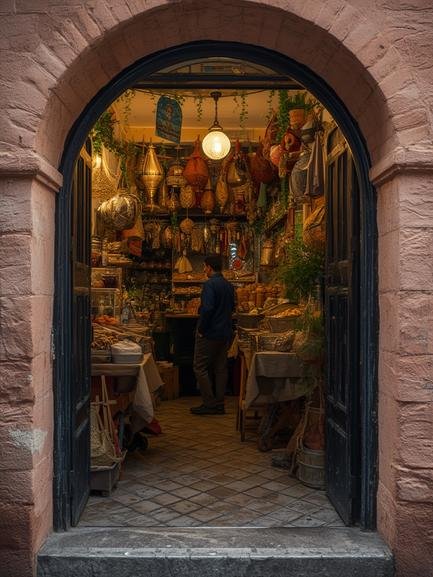
Discover the magic of Moroccan street food as we dive into the heart of Moroccan cuisine and explore what makes it so unique and delicious. Morocco is a paradise for food lovers, offering a rich culinary experience that’s a blend of traditional flavors, aromatic spices, and cultural heritage.
When visiting Morocco, one of the best ways to experience the local culture is through its food, which is why understanding what to eat in Morocco is essential for any traveler or food enthusiast.
1. Introduction
Moroccan cuisine is a fascinating blend of Mediterranean, Arab, and Berber influences, creating a rich and diverse culinary landscape. The country’s street food scene is particularly vibrant, reflecting the daily lives and traditions of its people. In Morocco, food is not just sustenance; it’s a way of life, bringing people together and creating a sense of community. As we explore the world of Moroccan cooking, we’ll uncover the secrets to preparing delicious dishes that are both authentic and accessible to international cooks. Moroccan street food plays a significant role in this culinary journey, offering a glimpse into the country’s gastronomic culture. Meanwhile, understanding what to eat in Morocco helps visitors and home cooks alike to navigate the diverse and flavorful world of Moroccan cuisine.
2. Key Ingredients & Kitchen Basics
To cook Moroccan dishes, it’s essential to have the right ingredients and kitchen tools. Some staples include a variety of spices (such as cumin, coriander, cinnamon, and turmeric), olive oil, preserved lemons, and couscous. A traditional tagine pot is ideal for slow-cooking stews, but a heavy pan can be a good substitute. A tea pot is also a must-have for serving Moroccan mint tea, a customary part of any meal. For international readers, finding substitutes and sourcing ingredients can be challenging, but many Moroccan ingredients are now available online or in specialty stores.
3. Moroccan Food Overview & Trends
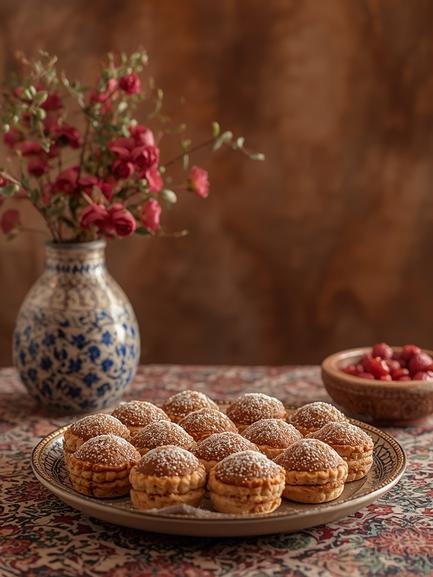
Moroccan cuisine is characterized by several main families of dishes: tagines, couscous, street food, pastries, and salads. Tagines are slow-cooked stews named after the earthenware pot in which they’re cooked, while couscous is a traditional North African dish made from semolina flour. Moroccan street food, such as grilled meats and savory pastries, is a reflection of the country’s street culture. Globally, Moroccan food is gaining popularity, with trends like healthy twists, vegan options, and fusion takes on classic recipes. Understanding these trends can help home cooks to innovate and adapt Moroccan recipes to suit modern tastes.
4. Step-by-Step Cooking / Recipe Guide
Let’s prepare a classic Moroccan street food dish: Grilled Chicken Shawarma. This popular street food is a staple in Moroccan cuisine and is easy to make at home.  Here’s a simple recipe to get you started:
Ingredients:
– 500g boneless chicken thighs
– 2 tbsp olive oil
– 2 tbsp lemon juice
– 2 cloves garlic, minced
– 1 tsp ground cumin
– 1 tsp paprika
– Salt and black pepper
– 4 pita breads
– Lettuce, tomato, pickles, and tahini sauce for serving
Instructions:
1. Marinate the chicken in a mixture of olive oil, lemon juice, garlic, cumin, paprika, salt, and pepper for at least 2 hours.
2. Grill the chicken on a preheated grill or grill pan until cooked through.
3. Warm the pita breads by wrapping them in foil and heating them in the oven for a few minutes.
4. Slice the grilled chicken into thin strips.
5. Assemble the shawarma by placing the chicken onto the pita breads and topping with lettuce, tomato, pickles, and tahini sauce.
This recipe showcases the flavors and techniques used in Moroccan street food. For those looking to explore more, understanding what to eat in Morocco can lead to discovering a variety of delicious dishes beyond just street food.
5. Serving, Pairing & Moroccan Dining Culture
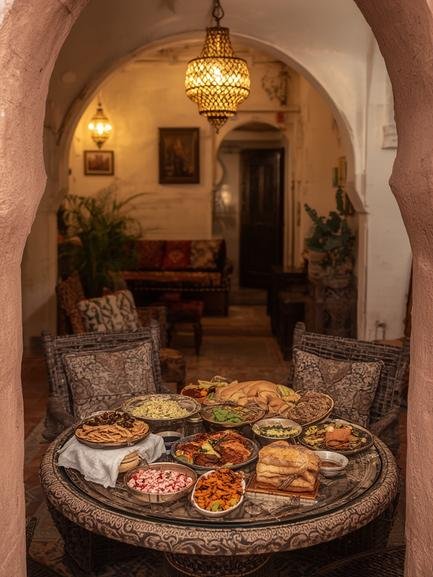
In Morocco, meals are often served family-style, with dishes placed in the center of the table for everyone to share. Bread is a staple and is used instead of cutlery to pick up food. Moroccan mint tea is traditionally served at the end of a meal or during social gatherings. For international guests, pairing Moroccan dishes with the right sides and drinks can enhance the dining experience. Consider serving tagines with couscous, salads with preserved lemons, and pastries with a sweet mint tea.
6. Health, Nutrition & Dietary Adaptations
Moroccan cuisine is known for its rich flavors and aromas, often achieved with a blend of spices rather than salt or sugar. Many traditional dishes are naturally vegetarian or vegan, making it easier to adapt recipes to different diets. To make Moroccan dishes gluten-free, substitute couscous with gluten-free alternatives like quinoa or rice. Reducing salt can be achieved by using herbs and spices to add flavor instead.
7. Common Mistakes & How to Avoid Them
Common mistakes when cooking Moroccan food include overcooking, using the wrong spice balance, adding too much liquid, and skipping marination. To avoid these pitfalls, cook tagines and stews on low heat to prevent overcooking, and adjust spice levels according to personal taste. Using the right amount of liquid is crucial; too much can make dishes overly soggy. Marination is key to tenderizing meat and developing deep flavors.
8. Future of Moroccan Cuisine Worldwide
Moroccan cuisine is spreading globally, with popular dishes like tagines and couscous becoming staples in international cuisine. Street food tours and cooking classes are on the rise, offering a deeper dive into Moroccan culinary culture. Social media platforms are also playing a significant role in promoting Moroccan food, with influencers and bloggers sharing their experiences and recipes. As the world becomes more interconnected, the popularity of Moroccan cuisine is expected to grow, with new trends and fusion dishes emerging.
9. Conclusion
In conclusion, Moroccan cuisine offers a rich and diverse culinary experience that’s both authentic and accessible to international cooks. By understanding the key ingredients, cooking techniques, and cultural traditions behind Moroccan dishes, home cooks can recreate the flavors of Morocco in their own kitchens. Moroccan street food is a significant part of this culinary journey, offering a glimpse into the daily lives and traditions of Moroccans. Whether you’re a seasoned cook or just starting out, exploring what to eat in Morocco can be a rewarding experience that opens up new flavors and cooking possibilities.
10. FAQs
Q: Are Moroccan recipes difficult for beginners to follow?
A: Moroccan recipes can be simple or complex, depending on the dish. Start with basic recipes like salads or grilled meats and gradually move to more complex dishes like tagines.
Q: How do I store leftover Moroccan dishes?
A: Most Moroccan dishes can be stored in the fridge for up to 3 days. Reheat them gently to preserve the flavors and textures.
Q: What are the essential spices to buy for Moroccan cooking?
A: Start with basics like cumin, coriander, cinnamon, turmeric, and paprika. As you explore more recipes, you can add other spices to your collection.
Q: Can I make Moroccan dishes vegetarian or vegan?
A: Yes, many Moroccan dishes are naturally vegetarian or vegan. Substitute meat with plant-based alternatives and adjust the spices accordingly.
Q: What are the best Moroccan dishes to serve to guests?
A: Tagines, couscous, and savory pastries like b’stilla are always a hit. They offer a flavorful and authentic Moroccan experience.