The Best Fluffy Pancakes recipe you will fall in love with. Full of tips and tricks to help you make the best pancakes.


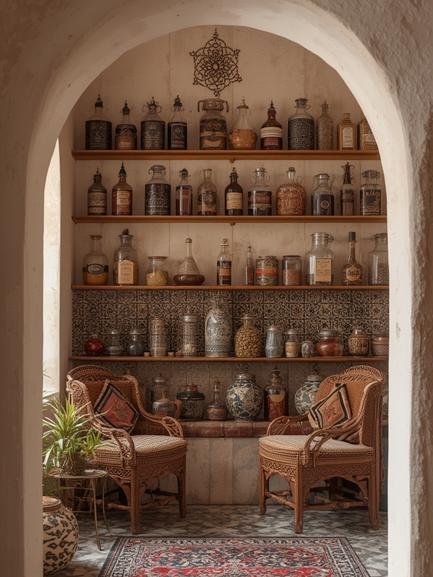
Discover the flavors of Morocco with our comprehensive Moroccan spice guide, featuring 7 essential tips for authentic Moroccan cooking. Learn how to master the art of blending spices and creating delicious, aromatic dishes that will transport you to the vibrant streets of Marrakech.
1. Introduction
Moroccan cuisine is a rich and diverse reflection of the country’s cultural heritage, and at its heart lies a fascinating blend of spices and flavors. As you start exploring Moroccan recipes, you’ll quickly realize that a well-stocked Moroccan spice guide is essential for creating authentic dishes. With its unique combination of aromatic spices and ingredients, Moroccan cooking offers an exciting opportunity to experiment with new flavors and techniques, making it a great choice for adventurous home cooks looking to spice up their meals with Moroccan spices for cooking.
2. Key Ingredients & Kitchen Basics
To start cooking Moroccan dishes, you’ll need to familiarize yourself with some essential ingredients and kitchen tools. Some must-have spices include cumin, coriander, cinnamon, ginger, and turmeric, which form the backbone of many classic Moroccan recipes. Other key ingredients include olive oil, preserved lemons, and couscous. In terms of kitchen basics, a tagine pot is ideal for slow-cooking stews, while a heavy pan is perfect for searing meat and cooking vegetables. For international readers, many of these ingredients can be found in specialty stores or online, and substitutes can often be used when necessary.
3. Moroccan Food Overview & Trends
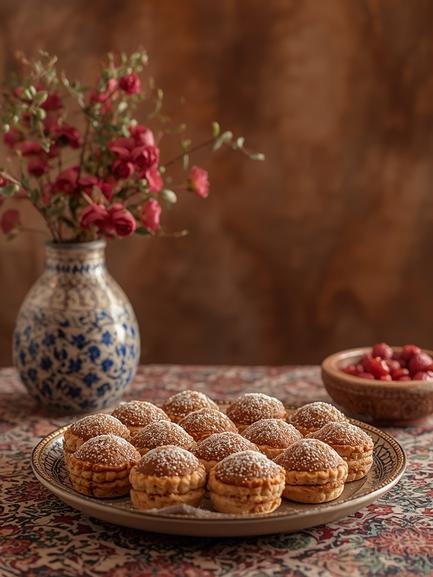
Moroccan cuisine encompasses a wide range of dishes, from hearty tagines and couscous to flavorful street food and sweet pastries. Globally, Moroccan food is gaining popularity due to its rich flavors and perceived health benefits. Trends include healthy twists on classic recipes, vegan options, and fusion takes on traditional Moroccan dishes.
4. Step-by-Step Cooking / Recipe Guide
Let’s dive into a classic Moroccan recipe that showcases the importance of a well-stocked Moroccan spice guide. Here’s a step-by-step guide to making Chicken Tagine with Preserved Lemons and Olives:
Preparation Time: 30 minutes
Cooking Time: 45 minutes
Ingredients:
- 1 lb chicken thighs
- 2 tablespoons olive oil
- 1 onion, chopped
- 2 cloves garlic, minced
- 1 tablespoon grated ginger
- 1 teaspoon ground cumin
- 1 teaspoon ground coriander
- 1/2 teaspoon turmeric
- 1/2 teaspoon cinnamon
- 1/4 teaspoon cayenne pepper
- 1/2 cup chopped preserved lemons
- 1/4 cup pitted green olives
- Salt and pepper to taste
- Fresh parsley, chopped (optional)
Step-by-Step Instructions:
1. Heat the olive oil in a tagine or heavy pan over medium heat.
2. Add the chopped onion and cook until softened, about 5 minutes.
3. Add the minced garlic and grated ginger and cook for an additional minute.
4. Add the chicken thighs and cook until browned on all sides, about 5-7 minutes.
5. Add the cumin, coriander, turmeric, cinnamon, and cayenne pepper, and stir to combine.
6. Add the chopped preserved lemons and pitted green olives, and stir to combine.
7. Season with salt and pepper to taste.
8. Cover the tagine or pan and simmer for 30-40 minutes, or until the chicken is cooked through.
9. Garnish with chopped fresh parsley, if desired.
This recipe showcases the rich flavors and aromas that can be achieved with the right Moroccan spices for cooking. 
5. Serving, Pairing & Moroccan Dining Culture
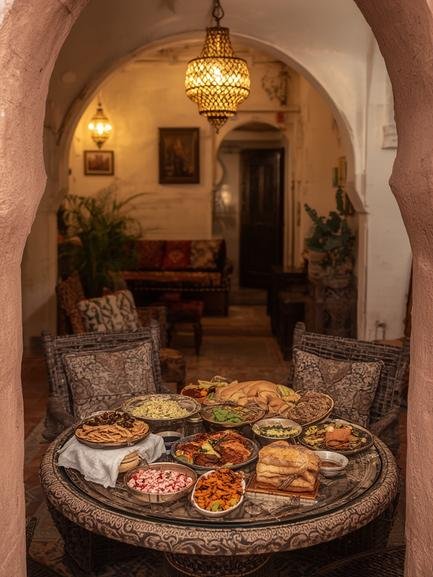
In Morocco, meals are often served family-style, with multiple dishes placed in the center of the table for everyone to share. Bread is a staple accompaniment, used to scoop up flavorful sauces and stews. When serving Moroccan dishes to international guests, consider pairing them with refreshing salads, crusty bread, and sweet pastries for dessert.
6. Health, Nutrition & Dietary Adaptations
Moroccan cuisine is known for its emphasis on whole grains, fruits, and vegetables, making it a great choice for health-conscious diners. To adapt Moroccan recipes to suit different diets, consider substituting meat with plant-based protein sources, using gluten-free couscous, or reducing the amount of salt used. With a little creativity, it’s easy to maintain the authentic flavors of Moroccan cuisine while catering to various dietary needs.
7. Common Mistakes & How to Avoid Them
When cooking Moroccan dishes, it’s easy to fall into common pitfalls, such as overcooking the meat or using too much liquid. To avoid these mistakes, be sure to monitor the cooking time and liquid levels closely, and don’t be afraid to adjust the seasoning as needed. Additionally, marinating the meat before cooking can add depth and complexity to the final dish.
8. Future of Moroccan Cuisine Worldwide
As Moroccan cuisine continues to gain popularity worldwide, we can expect to see more innovative twists on classic recipes, as well as a growing interest in cooking classes and street food tours. For food lovers and home cooks, this trend presents an exciting opportunity to explore new flavors and techniques.
9. Conclusion
In conclusion, mastering Moroccan cuisine requires a deep understanding of the country’s rich culinary heritage, as well as a willingness to experiment with new flavors and techniques. By following our comprehensive Moroccan spice guide and incorporating Moroccan spices for cooking into your recipes, you’ll be well on your way to creating delicious, authentic Moroccan dishes that will transport you to the vibrant streets of Marrakech.
10. FAQs
1. How difficult are Moroccan recipes for beginners?
Moroccan recipes can be a bit challenging for beginners, but with practice and patience, anyone can master the basics. Start with simple recipes and gradually experiment with more complex dishes.
2. How do I store leftover Moroccan dishes?
Leftover Moroccan dishes can be stored in airtight containers in the refrigerator for up to 3-4 days. Reheat gently before serving.
3. What are the essential spices to buy first?
Start with the basics: cumin, coriander, cinnamon, ginger, and turmeric. These spices form the backbone of many classic Moroccan recipes.
4. Are there many vegetarian options in Moroccan cuisine?
Yes, Moroccan cuisine offers a wide range of vegetarian options, including hearty stews, flavorful salads, and delicious pastries.
5. What are the best Moroccan dishes to cook for guests?
Consider making classic dishes like Chicken Tagine, Couscous with Vegetables, or Harira Soup. These recipes are sure to impress your guests and leave them wanting more.