
Sea Bass Tagine: 7 Essential Steps to Mastering Moroccan Luxury Cuisine
Discover the rich flavors of Morocco with Sea Bass Tagine, a dish that embodies the essence of Moroccan culinary art, reflecting both tradition and luxury, much like the concept of White fish luxury. Moroccan cuisine is an exciting world to explore for food enthusiasts, with its unique blend of aromatic spices, tender meats, and fresh seafood. As you dive into the world of Moroccan cooking, you’ll uncover a culinary journey that seamlessly blends cultural heritage with modern twists.
1. Introduction
Moroccan cuisine is a symphony of flavors that combines the richness of Mediterranean, Arab, and Berber traditions. At the heart of this culinary heritage is the Sea Bass Tagine, a dish that showcases the delicacy of white fish, often associated with White fish luxury, prepared with a meticulous blend of spices and herbs. Cooking Moroccan dishes is not only about following recipes but also about understanding the cultural context and the techniques that have been passed down through generations.
2. Key Ingredients & Kitchen Basics
To start your Moroccan cooking journey, it’s essential to familiarize yourself with the key ingredients and basic kitchen tools. Moroccan cuisine relies heavily on a variety of spices such as cumin, coriander, ginger, and turmeric. Other essential ingredients include olive oil, preserved lemons, and fresh herbs like parsley and cilantro. A traditional tagine pot is a must-have for cooking authentic Moroccan dishes, but for those who don’t have one, a heavy-bottomed pan can serve as a suitable substitute. For international readers, these ingredients can be found in Middle Eastern or specialty stores, or even online.
3. Moroccan Food Overview & Trends
Moroccan cuisine is diverse and can be categorized into several main families: tagines, couscous, street food, pastries, and salads. Globally, Moroccan food is perceived as a rich and exotic cuisine that offers a unique dining experience. Current trends in Moroccan cuisine include healthy twists on traditional recipes, vegan options, and fusion takes that blend Moroccan flavors with international cuisines. 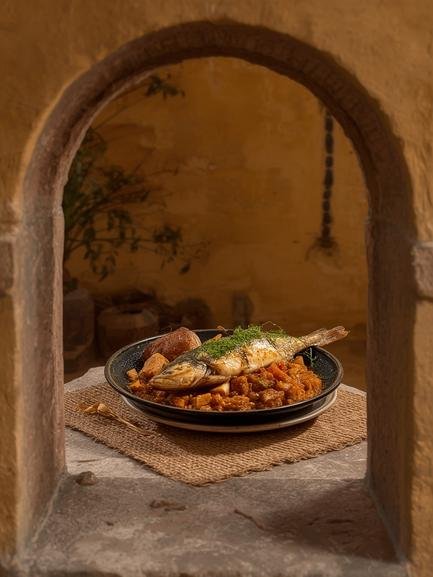
4. Step-by-Step Cooking / Recipe Guide
To prepare an authentic Sea Bass Tagine, you’ll need the following ingredients: 4 sea bass fillets, 2 preserved lemons, 1/4 cup of olive oil, 2 tablespoons of grated ginger, 1 teaspoon of ground cumin, 1 teaspoon of smoked paprika, salt, and pepper. Here’s a step-by-step guide:
1. Heat olive oil in the bottom of a tagine or a heavy pan over medium heat.
2. Add chopped onions and cook until they’re softened.
3. Add the grated ginger, cumin, smoked paprika, salt, and pepper, and stir well.
4. Place the sea bass fillets on top of the spice mixture.
5. Add sliced preserved lemons and chopped fresh parsley.
6. Cover the tagine and simmer for 15-20 minutes or until the fish is cooked through.
7. Serve hot, garnished with additional parsley if desired. This Sea Bass Tagine recipe offers a taste of White fish luxury that’s sure to impress your guests.
5. Serving, Pairing & Moroccan Dining Culture
In Moroccan culture, meals are often served family-style, with multiple dishes placed in the center of the table. Bread is a staple and is used instead of cutlery to pick up food. When serving Sea Bass Tagine, consider pairing it with a side of couscous or a fresh salad. Moroccan mint tea is a traditional beverage that complements the flavors of the tagine. For dessert, sweet pastries like baklava or ghriba are excellent choices.
6. Health, Nutrition & Dietary Adaptations
Moroccan cuisine is known for its health benefits, thanks to the use of fresh ingredients, olive oil, and a variety of spices. To adapt Moroccan recipes to different diets, you can make several adjustments. For vegetarian or vegan options, substitute meat or fish with plant-based proteins like chickpeas or tofu. For gluten-free diets, use gluten-free couscous or substitute it with quinoa. Reducing salt is also possible by limiting the amount of preserved lemons or using low-sodium alternatives.
7. Common Mistakes & How to Avoid Them
When cooking Moroccan dishes, several common mistakes can be avoided with a bit of knowledge. Overcooking is a frequent error, especially with delicate fish like sea bass. To avoid this, cook the fish just until it’s done and flakes easily with a fork. Another mistake is using too much liquid, which can result in a soggy tagine. Balance the amount of liquid with the cooking time to achieve the right consistency. Skipping marination is another pitfall; marinating the fish in spices and herbs before cooking enhances the flavor significantly.
8. Future of Moroccan Cuisine Worldwide
Moroccan cuisine is gaining popularity worldwide, with many restaurants and food bloggers showcasing its unique flavors. The rise of social media has made it easier for people to discover and share Moroccan recipes. As interest in global cuisines continues to grow, Moroccan food is likely to become even more popular, with trends like vegan tagines and fusion Moroccan dishes emerging.
9. Conclusion
Moroccan cuisine offers a rich and diverse culinary experience that’s worth exploring. By mastering dishes like Sea Bass Tagine, you can bring a taste of White fish luxury into your home. With its blend of traditional techniques and modern twists, Moroccan cooking is sure to delight food enthusiasts around the world.
10. FAQs
1. How difficult are Moroccan recipes for beginners?
Moroccan recipes can be straightforward once you understand the basic ingredients and techniques. Start with simple dishes like salads or tagines with vegetables.
2. How do I store leftovers of Moroccan dishes?
Most Moroccan dishes can be stored in the refrigerator for up to 3 days. Reheat them gently to preserve the flavors.
3. What are the essential spices to buy first for Moroccan cooking?
Start with cumin, coriander, ginger, turmeric, and paprika. These spices form the foundation of many Moroccan recipes.
4. Are there vegetarian options in Moroccan cuisine?
Yes, Moroccan cuisine offers a variety of vegetarian dishes, including tagines made with vegetables, chickpeas, or lentils.
5. What are the best Moroccan dishes to cook for guests?
Dishes like Sea Bass Tagine, chicken tagine with preserved lemons, and couscous with vegetables are always a hit with guests.