
Moroccan cuisine is a vibrant and diverse culinary landscape that has been shaped by the country’s strategic location at the crossroads of Africa, Europe, and the Middle East. The rich flavors and aromas of Moroccan dishes are not just a treat for the taste buds but also a reflection of the country’s history and cultural heritage. One of the most exciting aspects of Moroccan cuisine is its street food, which includes delicious treats like Anchovy Fried Fritters, a popular Small fish speciality that is both flavorful and fun to eat.
2. Key Ingredients & Kitchen Basics
To start cooking Moroccan dishes, you’ll need to familiarize yourself with some essential ingredients and kitchen tools. Moroccan cuisine relies heavily on a blend of spices, including cumin, coriander, ginger, and paprika, which add depth and warmth to a variety of dishes. Other essential ingredients include olive oil, preserved lemons, and couscous. In terms of kitchen tools, a tagine pot is a must-have for slow-cooking stews and braises, while a heavy pan is ideal for frying and searing. For international readers, many of these ingredients and tools can be found in specialty stores or online. For example, you can substitute preserved lemons with pickled lemons or use a Dutch oven instead of a tagine pot.
3. Moroccan Food Overview & Trends
Moroccan cuisine can be broadly categorized into several main families of dishes, including tagines, couscous, street food, pastries, and salads. Tagines are slow-cooked stews that are typically made with meat, vegetables, and dried fruits, while couscous is a traditional North African dish made from semolina flour. Street food is a big part of Moroccan cuisine, with popular dishes like fried fish, grilled meats, and savory pastries. Moroccan food is perceived worldwide as a rich and exotic cuisine that is full of flavor and aroma. Currently, there are several trends in Moroccan cuisine, including healthy twists on traditional recipes, vegan options, and fusion takes on classic dishes.
4. Step-by-Step Cooking / Recipe Guide
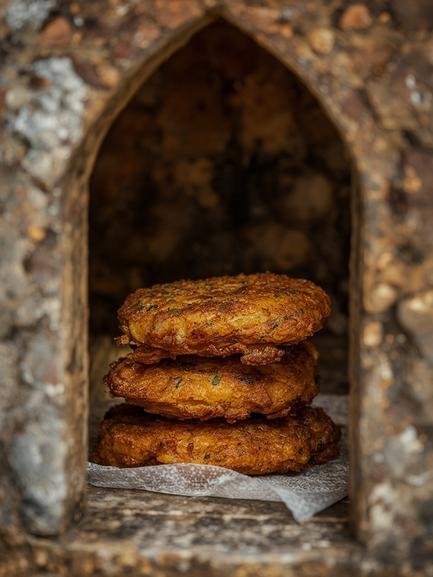
To make delicious Anchovy Fried Fritters, you’ll need the following ingredients:
- 1 cup of anchovy fillets
- 1/2 cup of chopped fresh parsley
- 1/2 cup of chopped fresh cilantro
- 1/4 cup of chopped onion
- 2 cloves of garlic, minced
- 1/2 teaspoon of ground cumin
- 1/2 teaspoon of smoked paprika
- 1/4 teaspoon of cayenne pepper
- 1/2 teaspoon of salt
- 1/4 teaspoon of black pepper
- 1 cup of all-purpose flour
- 1/2 cup of cornstarch
- 1/4 cup of olive oil
- 2 eggs, beaten
- 1 tablespoon of lemon juice
Here’s a step-by-step guide to making Anchovy Fried Fritters:
1. In a food processor, combine the anchovy fillets, parsley, cilantro, onion, garlic, cumin, smoked paprika, cayenne pepper, salt, and black pepper. Process until the mixture is well combined and the herbs are finely chopped.
2. In a large bowl, combine the flour and cornstarch.
3. Add the olive oil, beaten eggs, and lemon juice to the bowl and mix until a dough forms.
4. Add the anchovy mixture to the dough and mix until well combined.
5. Using your hands, shape the dough into small balls, about 1 1/2 inches in diameter. You should end up with around 20-25 balls.
6. Heat about 2-3 inches of oil in a deep frying pan over medium-high heat until it reaches 350°F.
7. Fry the Anchovy Fried Fritters in batches until they are golden brown, about 2-3 minutes per batch. Drain on paper towels.
8. Serve the fritters hot with a side of tangy Small fish speciality sauce, such as a remoulade or a spicy aioli.

5. Serving, Pairing & Moroccan Dining Culture
In Morocco, mealtimes are often seen as opportunities to gather with family and friends and share food and conversation. When serving Moroccan dishes, it’s customary to use a variety of small plates and bowls, which are placed in the center of the table for everyone to share. Bread is also an essential part of Moroccan cuisine, and is often used to scoop up sauces and stews. When it comes to pairing Moroccan dishes, there are many options to choose from, including refreshing salads, tangy pickles, and sweet pastries. For drinks, mint tea is a classic Moroccan beverage that pairs well with many dishes.
6. Health, Nutrition & Dietary Adaptations
Moroccan cuisine is known for its rich flavors and aromas, which are often achieved through the use of a variety of spices and herbs. Many Moroccan dishes are also relatively healthy, as they are made with ingredients like vegetables, fruits, and lean proteins. However, some dishes can be high in calories or salt, so it’s worth being mindful of portion sizes and ingredients. To adapt Moroccan recipes to different diets, you can try substituting ingredients or adjusting cooking methods. For example, you can make vegan versions of traditional dishes by using plant-based proteins and dairy alternatives.
7. Common Mistakes & How to Avoid Them
When cooking Moroccan cuisine, there are several common mistakes to watch out for. One of the most common mistakes is overcooking, which can result in tough meat and mushy vegetables. To avoid this, it’s worth using a thermometer to check the internal temperature of your meat, and cooking your vegetables until they are tender but still crisp. Another mistake is using too much liquid, which can result in a soggy or bland dish. To avoid this, it’s worth using a mixture of broth and water, and adjusting the amount of liquid based on the specific recipe.
8. Future of Moroccan Cuisine Worldwide
Moroccan cuisine is becoming increasingly popular around the world, with many restaurants and food bloggers showcasing the country’s rich culinary heritage. As the global food scene continues to evolve, it’s likely that we’ll see even more creative takes on traditional Moroccan dishes. Some trends to watch include the use of Moroccan spices and ingredients in fusion cuisine, as well as the growing popularity of street food and casual dining.
9. Conclusion
In conclusion, Moroccan cuisine is a rich and diverse culinary landscape that offers something for every palate. From the bold flavors of Anchovy Fried Fritters to the comforting warmth of a traditional tagine, there’s no shortage of delicious dishes to explore. As a Small fish speciality, Anchovy Fried Fritters are a great example of the creativity and diversity of Moroccan cuisine.
FAQs
1. Are Moroccan recipes hard for beginners to follow?
Moroccan recipes can be a bit more complex than some other cuisines, but they are generally accessible to beginners. With a few basic ingredients and kitchen tools, you can start making delicious Moroccan dishes.
2. How do I store leftovers of Moroccan dishes?
Leftover Moroccan dishes can be stored in airtight containers in the refrigerator for several days. You can also freeze some dishes, like tagines and stews, for up to several months.
3. What are the essential spices to buy for Moroccan cooking?
Some essential spices for Moroccan cooking include cumin, coriander, ginger, paprika, and cinnamon. You can also use pre-mixed spice blends, like ras el hanout, to simplify your spice rack.
4. Are there vegetarian options in Moroccan cuisine?
Yes, there are many delicious vegetarian options in Moroccan cuisine, including dishes like vegetable tagines, stuffed bell peppers, and couscous salads.
5. What are the best Moroccan dishes to cook for guests?
Some popular Moroccan dishes to cook for guests include tagines, couscous, and savory pastries. You can also consider making a variety of small plates and appetizers, like Anchovy Fried Fritters, to share with your guests.
SEO Title: Anchovy Fried Fritters 7 Secrets: Unlocking Moroccan Cuisine
Meta Description: Discover the delicious world of Moroccan street food with Anchovy Fried Fritters, a Small fish speciality that combines bold flavors with rich cultural heritage. Learn more about Moroccan cuisine and cooking techniques.
URL Slug: anchovy-fried-fritters-7-secrets-unlocking-moroccan-cuisine