
Fish Soup Chermoula: 7 Tips to Master Morocco’s Flavorful Dish
Discover the rich flavors of Moroccan cuisine with Fish Soup Chermoula, a dish that combines the freshness of seafood with the aromatic blend of chermoula sauce.
Thank you for reading this post, don't forget to subscribe!1. Introduction
Moroccan cuisine is a treasure trove of flavors, aromas, and culinary techniques, making it an exciting discovery for food lovers worldwide. One of the most intriguing aspects of Moroccan cooking is its ability to blend traditional ingredients with modern twists, creating dishes that are both authentic and innovative. Fish Soup Chermoula is a prime example, offering a delicious and healthy meal that showcases the country’s rich seafood heritage and the versatility of chermoula sauce. To make this dish, a rich Seafood broth is essential, providing the foundation for a flavorful and satisfying soup.
2. Key Ingredients & Kitchen Basics
To start cooking Moroccan dishes like Fish Soup Chermoula, it’s essential to familiarize yourself with the key ingredients and basic kitchen tools. Moroccan cuisine relies heavily on a mix of spices, including cumin, coriander, paprika, and turmeric, which are often combined with fresh herbs like parsley, cilantro, and dill. Olive oil is another staple, used for cooking and dressing salads. Preserved lemons add a salty, tangy flavor to many dishes, while couscous is a traditional North African pasta made from semolina flour. For cooking, a tagine pot is iconic, but a heavy pan or Dutch oven can be used as a substitute. When it comes to sourcing ingredients outside Morocco, online stores and international grocery shops are valuable resources. You can also substitute some ingredients with locally available alternatives; for example, using fresh lemons instead of preserved ones or opting for other types of pasta if couscous is not available.
3. Moroccan Food Overview & Trends
Moroccan cuisine is diverse and can be categorized into several main families of dishes, including tagines, couscous, street food, pastries, and salads. Tagines are slow-cooked stews named after the earthenware pot in which they are cooked, while couscous is a traditional dish made with the aforementioned semolina pasta, often served with vegetables and meat. Street food in Morocco is vibrant and varied, with popular items like grilled meats and fried fish. Pastries are sweet and flaky, often filled with nuts or honey. Salads are fresh and flavorful, frequently incorporating preserved lemons and olives. Globally, Moroccan food is perceived as exotic and flavorful, with a growing interest in healthy, aromatic cuisine. Current trends include adapting traditional recipes to suit modern dietary preferences, such as vegan or gluten-free versions, and fusion takes that blend Moroccan flavors with international cuisines. 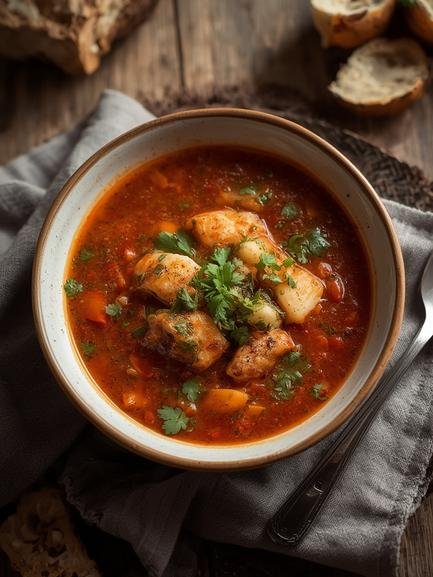
4. Step-by-Step Cooking / Recipe Guide
To prepare Fish Soup Chermoula, you will need the following ingredients: assorted fish pieces (such as cod, salmon, and tilapia), chermoula sauce (made with parsley, cilantro, garlic, lemon juice, and olive oil), onions, garlic, tomatoes, and a Seafood broth for the base. Here’s a step-by-step guide:
1. Prepare the chermoula sauce by blending parsley, cilantro, garlic, lemon juice, and olive oil.
2. Sauté onions and garlic until softened.
3. Add tomatoes and cook until they start to break down.
4. Pour in the seafood broth and bring to a simmer.
5. Add the fish pieces and cook until they are tender.
6. Stir in the chermoula sauce and adjust seasoning as needed.
7. Serve hot, garnished with fresh herbs.
5. Serving, Pairing & Moroccan Dining Culture
In Morocco, meals are often served family-style, with multiple dishes placed in the center of the table for everyone to share. Bread is a staple and is used instead of cutlery to scoop up food. Tea is an integral part of Moroccan dining culture, with mint tea being a classic choice. For Fish Soup Chermoula, consider serving it with crusty bread or couscous on the side. A simple green salad or a side of preserved lemon olives can complement the flavors. For drinks, a dry white wine or a refreshing mint tea pairs well. For dessert, traditional Moroccan pastries like baklava or ghriba are excellent choices.
6. Health, Nutrition & Dietary Adaptations
Moroccan cuisine is known for its health benefits, thanks to the emphasis on fresh vegetables, fruits, whole grains, and lean proteins. Many traditional dishes are naturally vegetarian or vegan, and adapting recipes to suit different diets is relatively straightforward. For example, you can substitute fish with tofu or tempeh for a vegan version of Fish Soup Chermoula, or use gluten-free couscous or pasta for those with gluten intolerance. Reducing salt is also possible by limiting the use of preserved lemons and olives.
7. Common Mistakes & How to Avoid Them
When cooking Moroccan dishes, some common mistakes include overcooking, which can result in tough meat or mushy vegetables, and misbalancing spices, leading to dishes that are too bland or too spicy. Using too much liquid can make stews and soups too watery, while skipping marination can result in less flavorful meat or fish. To avoid these pitfalls, always marinate your ingredients, cook on low heat to prevent overcooking, and taste as you go to adjust the seasoning. Using a tagine or a heavy-bottomed pan can help distribute heat evenly.
8. Future of Moroccan Cuisine Worldwide
Moroccan cuisine is gaining popularity worldwide, with many restaurants and food bloggers showcasing its rich flavors and diverse dishes. Street food tours and cooking classes are becoming increasingly popular, allowing people to experience Moroccan cuisine firsthand. Social media platforms are also playing a significant role in spreading the appeal of Moroccan food, with visually appealing dishes and recipes being shared widely. As global interest in healthy, aromatic, and exotic cuisines continues to grow, Moroccan food is well-positioned to become a favorite among food enthusiasts.
9. Conclusion
In conclusion, Moroccan cuisine offers a wealth of exciting flavors and dishes to explore, from the comforting warmth of tagines to the refreshing zing of Fish Soup Chermoula. By understanding the key ingredients, cooking techniques, and cultural context, you can bring the magic of Morocco into your kitchen. Don’t hesitate to experiment with new recipes and ingredients, and consider pairing your Fish Soup Chermoula with a rich Seafood broth for an enhanced flavor experience. For more guides and recipes, explore our site and start your culinary journey into the heart of Morocco.
10. FAQs
1. Is Moroccan cuisine difficult to cook for beginners?
Moroccan cuisine can seem complex due to its rich flavors and variety of spices, but many dishes are straightforward to prepare. Starting with simple recipes like salads or grilled meats can help build confidence.
2. How do I store leftovers of Moroccan dishes?
Most Moroccan dishes can be stored in airtight containers in the refrigerator for up to three days. Reheat gently on the stovetop or in the microwave.
3. What are the essential spices to buy for Moroccan cooking?
Key spices include cumin, coriander, paprika, turmeric, cinnamon, and ginger. These form the backbone of many Moroccan dishes.
4. Are there vegetarian or vegan options in Moroccan cuisine?
Yes, Moroccan cuisine offers a variety of vegetarian and vegan dishes, such as vegetable tagines, lentil soups, and salads. Many traditional recipes can be easily adapted to suit dietary preferences.
5. What are the best Moroccan dishes to serve to guests?
Dishes like chicken or vegetable tagines, couscous with vegetables or meat, and pastilla (a savory pie) are all impressive and delicious options for guests.