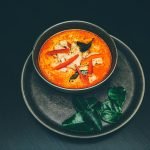

Discover the rich flavors and aromas of Moroccan cuisine with Moroccan Neck Fillet, a dish that embodies the essence of traditional Moroccan cooking, where slow-cooked Neck meat slow cook blends with a mix of spices and herbs.
Thank you for reading this post, don't forget to subscribe!1. Introduction
Moroccan cuisine is a fascinating blend of cultures, traditions, and flavors, and one of the most exciting dishes to explore is the Moroccan Neck Fillet. The art of slow-cooking Neck meat slow cook is central to many Moroccan recipes, offering a depth of flavor that’s hard to resist. In this article, we’ll dive into the world of Moroccan cooking, exploring key ingredients, cooking techniques, and the cultural significance of this beloved cuisine.
2. Key Ingredients & Kitchen Basics
To start cooking Moroccan dishes like Moroccan Neck Fillet, it’s essential to understand the core ingredients and tools. Moroccan cuisine relies heavily on spices like cumin, coriander, ginger, and cinnamon, as well as olive oil, preserved lemons, and couscous. Basic kitchen tools include a tagine pot, a heavy pan for browning meat, and a tea pot for traditional Moroccan tea. For international readers, many of these ingredients can be found in specialty stores or online. Substitutes can be used when necessary; for example, you can make a preserved lemon substitute with lemon juice, salt, and spices.
Some essential spices include:
– Ras el hanout: A blend of spices that can vary depending on the region and personal preferences.
– Cumin and coriander: Commonly used for their earthy flavor.
– Ginger and cinnamon: Add warmth and depth to dishes.
3. Moroccan Food Overview & Trends

Moroccan cuisine is diverse, with main categories including tagines, couscous dishes, street food, pastries, and salads. Worldwide, Moroccan food is appreciated for its rich flavors and healthy ingredients. Trends include healthier twists on traditional recipes, vegan options, and fusion cuisine that blends Moroccan flavors with international dishes. Understanding these trends can help home cooks innovate and adapt traditional recipes.
4. Step-by-Step Cooking / Recipe Guide
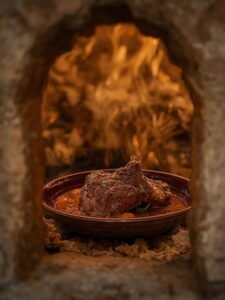
To prepare a delicious Moroccan Neck Fillet, follow these steps:
1. Marinate the Meat: Combine 500g of neck fillet with a mix of olive oil, cumin, coriander, ginger, and cinnamon. Let it marinate for at least 2 hours or overnight.
2. Brown the Meat: In a heavy pan, brown the marinated neck fillet on all sides. This step is crucial for the flavor.
3. Slow Cook: Transfer the browned meat to a tagine or a slow cooker. Add onions, garlic, and preserved lemons. Cook on low for 2-3 hours until the meat is tender, exemplifying the Neck meat slow cook technique.
4. Serve: Serve the neck fillet with couscous or bread, garnished with fresh parsley and lemon wedges.
5. Serving, Pairing & Moroccan Dining Culture
In Morocco, meals are often served family-style, with dishes placed in the center of the table. Bread is commonly used instead of cutlery, and tea is an integral part of dining culture. For international guests, pairing Moroccan dishes with the right sides and drinks can enhance the experience. Consider serving Moroccan Neck Fillet with a side of roasted vegetables or a salad, and offering mint tea or a refreshing lemonade.
6. Health, Nutrition & Dietary Adaptations
Moroccan cuisine is known for its use of fresh ingredients, herbs, and spices, making it relatively healthy. To adapt recipes for different diets, consider the following:
– Vegetarian and vegan options: Replace meat with vegetables or legumes, and use plant-based alternatives to dairy.
– Gluten-free: Use gluten-free couscous or replace it with rice or quinoa.
– Low-salt: Reduce the amount of salt used and enhance flavors with herbs and spices.
7. Common Mistakes & How to Avoid Them
Common mistakes when cooking Moroccan food include overcooking, using the wrong spice balance, adding too much liquid, and skipping marination. To avoid these:
– Monitor cooking times and temperatures.
– Taste and adjust spice levels as you cook.
– Use the right amount of liquid to achieve the desired consistency.
– Always marinate meat to enhance flavor.
8. Future of Moroccan Cuisine Worldwide
Moroccan cuisine is gaining popularity worldwide, with popular dishes being featured in restaurants and cooking classes. Social media trends and food blogs are also playing a significant role in spreading Moroccan culinary culture. As interest in global cuisine continues to grow, we can expect to see more innovative takes on traditional Moroccan recipes.
9. Conclusion
Moroccan cuisine offers a rich culinary experience, with dishes like Moroccan Neck Fillet showcasing the depth of flavor achieved through Neck meat slow cook techniques. By understanding key ingredients, cooking methods, and cultural practices, home cooks can recreate authentic Moroccan dishes. We encourage you to experiment with Moroccan recipes, explore different spices, and enjoy the culinary journey.
10. FAQs
Frequently Asked Questions About Moroccan Cuisine
1. How difficult are Moroccan recipes for beginners?
Moroccan recipes can be straightforward, but some require patience due to slow-cooking methods. Start with simpler dishes and gradually experiment with more complex recipes.
2. How do I store leftovers of Moroccan dishes?
Most Moroccan dishes can be refrigerated for up to 3 days. Reheat them gently to preserve the flavors and textures.
3. What are the essential spices to buy first?
Start with cumin, coriander, ginger, cinnamon, and ras el hanout. These spices are foundational to many Moroccan recipes.
4. Are there vegetarian options in Moroccan cuisine?
Yes, Moroccan cuisine offers a variety of vegetarian dishes, including vegetable tagines and salads.
5. What are the best Moroccan dishes to cook for guests?
Dishes like Moroccan Neck Fillet, chicken tagine, and couscous with vegetables are popular and impressive choices for guests.