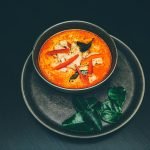

Moroccan Tuna Steak 7 Tips: Elevate Your Seafood Game
Discover the rich flavors of Morocco with Moroccan Tuna Steak, a dish that combines the freshness of tuna with the aromatic spices of North Africa. As you explore the world of Moroccan cuisine, you’ll find that it’s not just about tagines and couscous; it’s also about innovative seafood recipes like Grilled yellowfin.
1. Introduction
Moroccan cuisine is a vibrant blend of Arab, Berber, and Mediterranean flavors, offering a unique culinary experience. With its emphasis on fresh ingredients, aromatic spices, and hearty dishes, Moroccan food has gained popularity worldwide. One of the exciting aspects of Moroccan cuisine is its seafood offerings, including the delectable Moroccan Tuna Steak and the flavorful Grilled yellowfin. As you dive into the world of Moroccan cooking, you’ll discover a rich tapestry of flavors and techniques to enhance your culinary skills.
2. Key Ingredients & Kitchen Basics
To cook authentic Moroccan dishes, you’ll need to familiarize yourself with essential ingredients and kitchen tools. Some must-have spices include cumin, coriander, ginger, and paprika, which form the backbone of many Moroccan recipes. Other staples include olive oil, preserved lemons, and couscous. Basic kitchen tools like a tagine pot, a heavy pan, and a tea pot are also necessary for preparing traditional Moroccan meals. When shopping for ingredients outside Morocco, look for international or Middle Eastern grocery stores, or online retailers that specialize in North African products.
Some essential Moroccan ingredients to have in your pantry include:
- Ras el hanout: a blend of spices that translates to “head of the shop”
- Preserved lemons: pickled lemons that add a salty, tangy flavor to dishes
- Argan oil: a rich, nutty oil used in cooking and as a finishing touch
- Couscous: a staple grain in Moroccan cuisine, often served with stews and sauces
3. Moroccan Food Overview & Trends
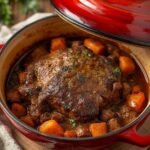
Moroccan cuisine is diverse, with several main families of dishes. Tagines, slow-cooked stews named after the earthenware pot in which they’re cooked, are a staple of Moroccan cuisine. Couscous dishes, often served on special occasions, are another key component. Street food, pastries, and salads also play a significant role in Moroccan culinary culture. Globally, Moroccan food is gaining popularity due to its rich flavors, healthy ingredients, and versatility. Trends include healthy twists on classic recipes, vegan options, and fusion takes on traditional Moroccan dishes.
4. Step-by-Step Cooking / Recipe Guide
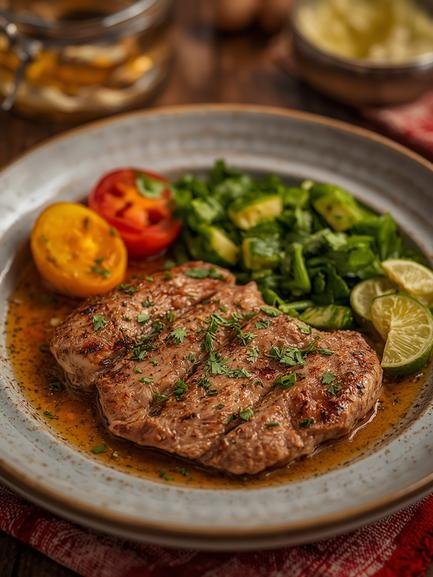
Here’s a simple recipe for Moroccan Tuna Steak that you can try at home:
1. Prepare the marinade: Mix together olive oil, lemon juice, garlic, ginger, cumin, coriander, and paprika.
2. Marinate the tuna: Place the tuna steak in a shallow dish and coat with the marinade. Refrigerate for at least 30 minutes.
3. Grill or pan-sear the tuna: Heat a grill or pan to high heat and cook the tuna for 2-3 minutes per side, or until cooked to your liking.
4. Serve with a side: Pair the Moroccan Tuna Steak with a couscous salad or grilled vegetables for a well-rounded meal.
5. Try a variation: For a different twist, try making Grilled yellowfin using the same marinade and cooking technique.
5. Serving, Pairing & Moroccan Dining Culture
In Morocco, meals are often served family-style, with multiple dishes placed in the center of the table. Bread is a staple, used to scoop up sauces and stews. When serving Moroccan dishes to international guests, consider pairing them with complementary side dishes and drinks. Some suggestions include:
- Side dishes: couscous salad, grilled vegetables, or roasted sweet potatoes
- Drinks: mint tea, lemon juice, or a dry white wine
- Desserts: traditional Moroccan pastries, such as baklava or makroud, or a simple fruit salad
6. Health, Nutrition & Dietary Adaptations
Moroccan cuisine is known for its emphasis on fresh ingredients, herbs, and spices, making it a healthy and flavorful choice. To adapt Moroccan recipes to different diets, consider the following substitutions:
- Vegetarian and vegan options: replace meat with plant-based protein sources, such as tofu or tempeh, and use vegetable broth instead of meat broth.
- Gluten-free: use gluten-free couscous or substitute with quinoa or rice.
- Low-salt: reduce or omit salt in recipes and use herbs and spices to add flavor.
7. Common Mistakes & How to Avoid Them
When cooking Moroccan food, some common mistakes to avoid include:
1. Overcooking: Moroccan dishes often require gentle heat and slow cooking to develop flavors. Avoid overcooking meat or vegetables, as this can result in tough, dry textures.
2. Wrong spice balance: Moroccan cuisine relies on a delicate balance of spices. Be sure to adjust spice levels to your taste and avoid overpowering dishes with too much of any single spice.
3. Using too much liquid: Moroccan stews and sauces should be rich and flavorful, but not too watery. Monitor liquid levels and adjust as needed to achieve the right consistency.
8. Future of Moroccan Cuisine Worldwide
As Moroccan cuisine continues to gain popularity worldwide, we can expect to see more innovative takes on traditional recipes. Street food tours, cooking classes, and social media trends will continue to drive interest in Moroccan food. Some popular Moroccan dishes abroad include tagines, couscous, and pastries. As the global food scene evolves, we can expect to see new fusion takes on Moroccan cuisine, incorporating local ingredients and flavors.
9. Conclusion
In conclusion, Moroccan cuisine offers a rich and diverse culinary experience, with dishes like Moroccan Tuna Steak and Grilled yellowfin showcasing the country’s seafood heritage. By exploring Moroccan ingredients, cooking techniques, and cultural traditions, you can elevate your cooking skills and discover new flavors. Whether you’re a seasoned foodie or a beginner in the kitchen, Moroccan cuisine has something to offer.
10. FAQs
Q: How hard are Moroccan recipes for beginners?
A: Moroccan recipes can be adapted to suit different skill levels. Start with simple dishes like salads or grilled meats, and gradually move on to more complex recipes.
Q: How do I store leftovers?
A: Store leftovers in airtight containers in the refrigerator for up to 3 days. Reheat gently before serving.
Q: What are the essential spices to buy first?
A: Start with basic spices like cumin, coriander, ginger, and paprika. These will form the foundation of many Moroccan recipes.
Q: Are there vegetarian options in Moroccan cuisine?
A: Yes, Moroccan cuisine offers many vegetarian and vegan options, such as vegetable tagines, salads, and couscous dishes.
Q: What are the best dishes to cook for guests?
A: Consider cooking classic Moroccan dishes like chicken or beef tagines, or seafood recipes like Moroccan Tuna Steak. These are sure to impress your guests with their rich flavors and aromas.