The Best Fluffy Pancakes recipe you will fall in love with. Full of tips and tricks to help you make the best pancakes.


The Moroccan food guide is your gateway to exploring the rich flavors and traditions of Morocco. As you embark on this culinary journey, you’ll discover why Moroccan cuisine is a fascinating blend of Arab, Mediterranean, and Berber influences that has captivated food lovers worldwide, making it a significant part of Moroccan cuisine for tourists.
1. Introduction to Moroccan Cuisine
Moroccan cuisine is a vibrant reflection of the country’s cultural diversity and history. It’s characterized by the use of aromatic spices, fresh ingredients, and a blend of sweet and savory flavors. As a beginner, diving into Moroccan cooking can seem daunting, but with the right guide, you’ll be whipping up delicious dishes in no time. Whether you’re looking to explore traditional recipes or innovate with modern twists, this Moroccan food guide will walk you through the essentials.
2. Key Ingredients & Kitchen Basics
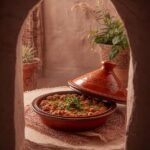
To start cooking Moroccan dishes, you’ll need to familiarize yourself with some key ingredients and kitchen tools. Essential spices include cumin, coriander, cinnamon, ginger, and turmeric, which form the backbone of many Moroccan recipes. Other staples are olive oil, preserved lemons, olives, and couscous. In terms of kitchen tools, a tagine pot is highly recommended for slow-cooking stews, but a heavy pan or Dutch oven can be a good substitute. For tea ceremonies, a traditional Moroccan teapot is a must-have.
When shopping for Moroccan ingredients outside of Morocco, look for Middle Eastern or North African grocery stores or online retailers that specialize in international spices and ingredients. Substitutes can often be found for harder-to-find items; for example, you can make a simple preserved lemon at home or use pickled lemons as an alternative.
3. Moroccan Food Overview & Trends
Moroccan cuisine encompasses a wide variety of dishes, from hearty tagines and couscous to flavorful street food and intricate pastries. Globally, Moroccan food is appreciated for its rich flavors, aromas, and the exoticism of its dishes. Trends in Moroccan cuisine include healthier versions of traditional recipes, vegan and vegetarian adaptations, and fusion dishes that blend Moroccan flavors with international cuisines.
4. Step-by-Step Cooking/Recipe Guide
Let’s dive into cooking a classic Moroccan dish: Chicken Tagine with Preserved Lemons and Olives. This recipe is a staple of Moroccan cuisine and showcases the unique flavors and techniques involved.
– Preparation Time: 30 minutes
– Cooking Time: 45 minutes
– Ingredients: chicken thighs, preserved lemons, green olives, onions, garlic, ginger, cumin, coriander, cinnamon, olive oil, salt, and pepper.
1. Heat olive oil in a tagine or heavy pan over medium heat. Add sliced onions and cook until softened.
2. Add minced garlic and grated ginger; cook for another minute.
3. Add the chicken thighs, cumin, coriander, and cinnamon. Season with salt and pepper.
4. Add chopped preserved lemons and green olives. Cover and simmer for about 45 minutes or until the chicken is cooked through.
5. Serve hot over couscous or with crusty bread.
This recipe is a great representation of the Moroccan food guide in action, blending traditional flavors with accessible cooking techniques. For those traveling or interested in culinary tourism, experiencing such dishes is a big part of Moroccan cuisine for tourists.
5. Serving, Pairing & Moroccan Dining Culture
Moroccan meals are typically served family-style, with dishes placed in the center of the table for everyone to share. Bread is a staple and is used instead of cutlery to scoop up food. Traditional Moroccan tea, made with green tea leaves and fresh mint, is a cornerstone of dining culture. For side dishes, consider serving a simple salad or grilled vegetables. For desserts, sweet pastries like baklava or fruit salads are excellent choices.
6. Health, Nutrition & Dietary Adaptations
Moroccan cuisine is known for its health benefits, thanks to the use of fresh vegetables, fruits, and lean proteins. Many traditional dishes can be adapted to suit different dietary needs. For vegetarian or vegan diets, simply omit the meat and add more vegetables or legumes. For gluten-free diets, replace couscous with a gluten-free alternative or serve dishes with rice or quinoa.
7. Common Mistakes & How to Avoid Them
Common mistakes when cooking Moroccan food include overcooking meat, using the wrong balance of spices, and not marinating ingredients long enough. To avoid these issues, always marinate your meat or vegetables for at least a few hours, use a mix of ground and whole spices for depth of flavor, and cook on low heat to prevent burning.
8. Future of Moroccan Cuisine Worldwide
Moroccan cuisine is becoming increasingly popular worldwide, with many restaurants and food bloggers putting their own spin on traditional dishes. Street food tours, cooking classes, and social media have played a significant role in this global spread. As interest in international cuisines continues to grow, we can expect to see more innovative Moroccan recipes and fusion dishes emerge.
9. Conclusion
In conclusion, Moroccan cuisine offers a culinary adventure that is both accessible and rewarding. By following this Moroccan food guide, you’re not only learning to cook delicious meals but also experiencing a significant part of Moroccan culture, which is an integral aspect of Moroccan cuisine for tourists. Don’t be afraid to experiment with new spices and recipes and explore the rich world of Moroccan cooking.
10. FAQs
1. Is Moroccan cuisine difficult to cook for beginners?
Moroccan cuisine may seem complex, but many dishes are straightforward once you have the right ingredients and basic cooking techniques.
2. How do I store leftovers of Moroccan dishes?
Most Moroccan dishes can be refrigerated for up to 3 days or frozen for longer storage. Reheat gently to preserve flavors.
3. What are the essential spices to start with?
Start with cumin, coriander, cinnamon, ginger, and turmeric. These spices are fundamental to many Moroccan recipes.
4. Are there many vegetarian options in Moroccan cuisine?
Yes, Moroccan cuisine offers a variety of vegetarian dishes, including vegetable tagines, salads, and couscous with vegetables.
5. What are the best Moroccan dishes to serve to guests?
Chicken or vegetable tagine, couscous with meat or vegetables, and pastilla are all impressive and delicious options for guests.