The Best Fluffy Pancakes recipe you will fall in love with. Full of tips and tricks to help you make the best pancakes.


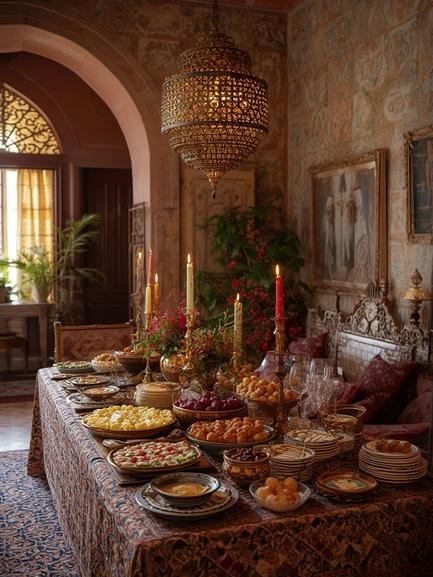
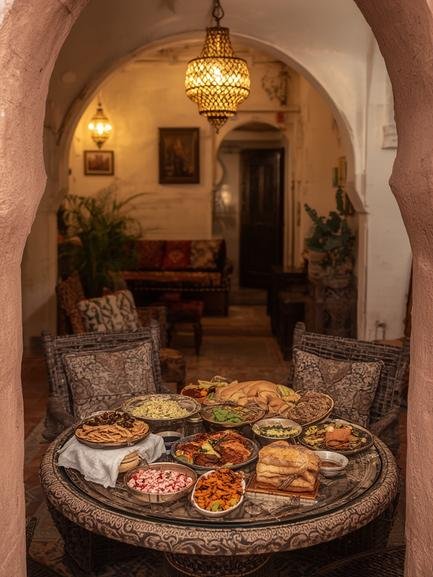
Moroccan buffet dinner is a feast for the senses, with its vibrant colors, aromatic spices, and diverse flavors. As you embark on this culinary journey, you’ll discover the rich cultural heritage and warm hospitality of Morocco.
Whether you’re a seasoned foodie or a curious cook, this article will guide you through the world of Moroccan cuisine and provide you with the tools to create an unforgettable Moroccan buffet dinner at home.
1. ## Introduction
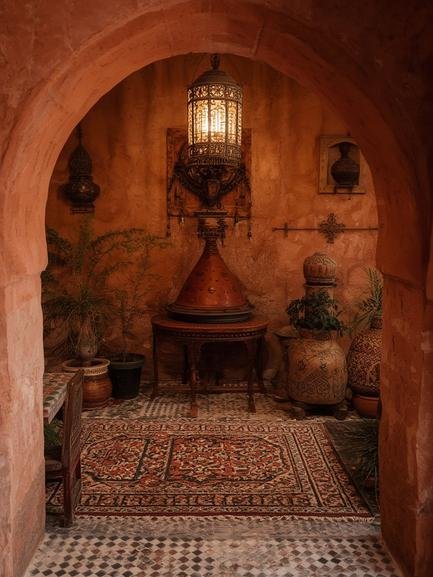
Moroccan cuisine is a fascinating blend of Arab, Mediterranean, and African flavors, with a rich history that spans centuries. The country’s strategic location has made it a crossroads of cultural exchange, resulting in a unique and diverse culinary heritage. A traditional Moroccan buffet dinner typically features a variety of dishes, including tagines, couscous, and pastries, all served with a warm and welcoming hospitality reminiscent of a riads Moroccan dinner. In this article, we’ll explore the key ingredients, cooking techniques, and dining culture that make Moroccan cuisine so beloved.
2. ## Key Ingredients & Kitchen Basics
To create an authentic Moroccan meal, you’ll need a few essential ingredients and kitchen tools. Some of the key ingredients include:
- Spices: cumin, coriander, cinnamon, ginger, and turmeric
- Olive oil
- Preserved lemons
- Couscous
- Fresh herbs: parsley, cilantro, and mint
Basic kitchen tools include a tagine pot, a heavy pan, and a tea pot. If you can’t find specific Moroccan ingredients in your local stores, you can substitute them with similar alternatives or shop online.
3. ## Moroccan Food Overview & Trends
Moroccan cuisine is characterized by its diversity and richness, with several main families of dishes. These include:
- Tagines: slow-cooked stews made with meat, vegetables, and dried fruits
- Couscous: a traditional North African dish made from semolina flour
- Street food: popular snacks like msemen and makroud
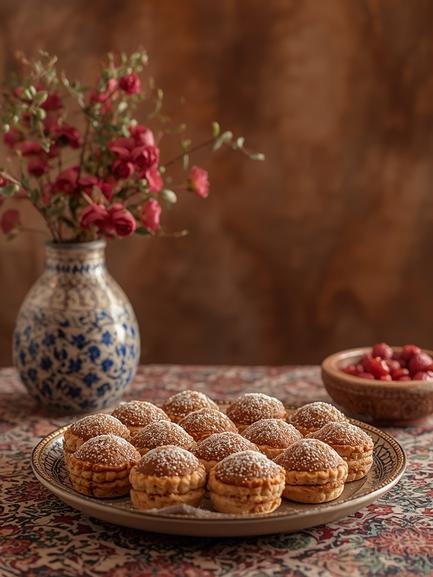
- Pastries: sweet and savory pastries like baklava and b’stilla
- Salads: fresh and flavorful salads like zaalouk and salade marocaine
Moroccan food has gained popularity worldwide, with trends like healthy twists, vegan options, and fusion takes on classic recipes. You can adapt Moroccan dishes to suit your dietary needs and preferences.
4. ## Step-by-Step Cooking / Recipe Guide
Here’s a simple recipe for a delicious Moroccan chicken tagine that’s perfect for a Moroccan buffet dinner:
Ingredients:
- 1 pound boneless, skinless chicken thighs
- 2 tablespoons olive oil
- 1 onion, chopped
- 2 cloves garlic, minced
- 1 tablespoon grated ginger
- 1 teaspoon ground cumin
- 1 teaspoon ground coriander
- 1/2 teaspoon ground cinnamon
- 1/2 teaspoon ground turmeric
- 1/2 teaspoon salt
- 1/4 teaspoon black pepper
- 2 cups chicken broth
- 1 cup chopped preserved lemons
- 1/4 cup chopped fresh parsley
- 1/4 cup chopped fresh cilantro
Instructions:
1. Heat the olive oil in a tagine pot or heavy pan over medium heat.
2. Add the chopped onion and cook until softened, about 5 minutes.
3. Add the minced garlic and grated ginger; cook for 1 minute.
4. Add the chicken thighs and cook until browned on all sides, about 5-7 minutes.
5. Add the cumin, coriander, cinnamon, turmeric, salt, and pepper; stir to combine.
6. Pour in the chicken broth and bring to a boil.
7. Reduce the heat to low and simmer, covered, for 30-40 minutes or until the chicken is cooked through.
8. Stir in the chopped preserved lemons, parsley, and cilantro.
9. Serve the tagine hot, garnished with additional parsley and cilantro if desired.
This recipe is a great addition to any Moroccan buffet dinner or riads Moroccan dinner.

5. ## Serving, Pairing & Moroccan Dining Culture
In Morocco, mealtimes are an occasion to gather with family and friends. Traditional Moroccan meals often feature a variety of dishes served together, with bread used as a utensil to scoop up food. To create a similar atmosphere at home, consider serving a selection of small dishes, such as salads, tagines, and pastries. Don’t forget to pour glasses of mint tea, a staple of Moroccan hospitality.
6. ## Health, Nutrition & Dietary Adaptations
Moroccan cuisine is known for its rich flavors and aromas, but it can also be healthy. Many traditional Moroccan dishes feature vegetables, fruits, and whole grains. To make Moroccan recipes more nutritious, consider using lean proteins, reducing salt, and adding more vegetables. You can also adapt Moroccan dishes to suit various dietary needs, such as vegan or gluten-free.
7. ## Common Mistakes & How to Avoid Them
When cooking Moroccan food, there are a few common mistakes to watch out for:
- Overcooking: Moroccan dishes often require slow cooking, but be careful not to overcook your ingredients.
- Wrong spice balance: Moroccan cuisine is known for its complex spice blends. Start with a small amount of spices and adjust to taste.
- Using too much liquid: Moroccan dishes often feature rich sauces, but too much liquid can make them soggy.
- Skipping marination: Marinating your ingredients can add depth and flavor to your dishes.
8. ## Future of Moroccan Cuisine Worldwide
Moroccan cuisine is gaining popularity worldwide, with popular dishes like tagines and couscous appearing on menus from New York to Tokyo. As the world becomes more connected, we can expect to see more innovative takes on traditional Moroccan recipes. Whether you’re a food blogger, a chef, or simply a curious cook, there’s never been a more exciting time to explore the world of Moroccan cuisine.
9. ## Conclusion
In conclusion, Moroccan cuisine offers a rich and diverse culinary experience that’s perfect for any occasion. Whether you’re hosting a Moroccan buffet dinner or simply looking to try new recipes, we hope this article has inspired you to explore the world of Moroccan food. With its complex spice blends, rich flavors, and warm hospitality, Moroccan cuisine is sure to delight even the most discerning palates. So why not try cooking a traditional Moroccan dish, like a hearty tagine or a flavorful couscous, and experience the magic of a riads Moroccan dinner for yourself?
10. ## FAQs
1. ### What are the essential spices for Moroccan cooking?
The essential spices for Moroccan cooking include cumin, coriander, cinnamon, ginger, and turmeric. These spices form the basis of many traditional Moroccan dishes and can be combined in various ways to create complex and aromatic flavor profiles.
2. ### How do I store leftover Moroccan dishes?
Leftover Moroccan dishes can be stored in airtight containers in the refrigerator for up to 3-4 days. Reheat them gently before serving, adding a splash of water or broth if needed to restore their flavor and texture.
3. ### What are some vegetarian options in Moroccan cuisine?
Moroccan cuisine offers a variety of delicious vegetarian options, such as vegetable tagines, stuffed bell peppers, and salads like zaalouk and salade marocaine. You can also adapt traditional meat dishes to suit vegetarian diets by substituting the protein with vegetables or legumes.
4. ### How difficult are Moroccan recipes for beginners?
Moroccan recipes can be challenging for beginners, but many dishes are relatively simple to prepare. Start with basic recipes like tagines or couscous, and gradually experiment with more complex dishes as you gain confidence and experience.
5. ### What are the best Moroccan dishes to serve to guests?
Some popular Moroccan dishes that are perfect for serving to guests include tagines, couscous, pastilla, and salads like zaalouk and salade marocaine. These dishes are often flavorful, aromatic, and visually appealing, making them ideal for special occasions and dinner parties.