The Best Fluffy Pancakes recipe you will fall in love with. Full of tips and tricks to help you make the best pancakes.


Halal Moroccan Food: 7 Tips for Authentic Cooking
Discover the flavors of Morocco with our guide to halal Moroccan food, exploring the rich culinary traditions and ingredients that make Moroccan cuisine unique.
Moroccan cuisine is known for its rich flavors, aromas, and vibrant colors, making it a fascinating culinary journey for anyone. As a global audience, you’re likely drawn to the blend of traditional and modern elements in halal Moroccan food and how it seamlessly integrates with halal food in Morocco. In this article, we’ll dive into the world of Moroccan cooking, exploring key ingredients, cooking techniques, and the cultural significance of this beautiful cuisine.
1. Introduction
Moroccan cuisine is a sensory experience, rich in flavors and history. The country’s strategic location at the crossroads of Africa, Europe, and the Arab world has influenced its culinary traditions, making it a unique blend of different cultures. As you explore the world of halal Moroccan food, you’ll discover the importance of halal practices in Moroccan cooking, ensuring that the food is not only delicious but also adheres to Islamic dietary laws. Similarly, halal food in Morocco is deeply rooted in the country’s culinary identity, reflecting the values and traditions of the Moroccan people.
2. Key Ingredients & Kitchen Basics
To start cooking Moroccan dishes, you’ll need to familiarize yourself with some essential ingredients and kitchen tools. Some of the key ingredients include:
- Spices: cumin, coriander, cinnamon, ginger, and turmeric are staples in Moroccan cooking.
- Olive oil: used for cooking and dressing salads.
- Preserved lemons add a salty, tangy flavor to many dishes.
- Couscous: a traditional North African pasta made from semolina flour.
In terms of kitchen tools, you’ll need:
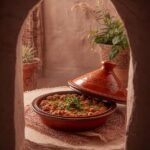
- A tagine pot: a clay or ceramic pot with a conical lid, used for slow-cooking stews.
- A heavy pan: for cooking couscous and other grains.
- A teapot: for serving traditional Moroccan mint tea.
For international readers, sourcing these ingredients and tools may require a bit of effort, but many can be found in specialty stores or online.
3. Moroccan Food Overview & Trends
Moroccan cuisine can be broadly categorized into several families of dishes, including tagines, couscous, street food, pastries, and salads. Tagines are slow-cooked stews named after the pot in which they’re cooked, while couscous is a traditional North African pasta made from semolina flour. Street food is a big part of Moroccan cuisine, with popular dishes like grilled meats and fried dough. Moroccan pastries are sweet and flaky, often filled with nuts or honey. Salads are also a staple, often made with fresh vegetables, fruits, and nuts.
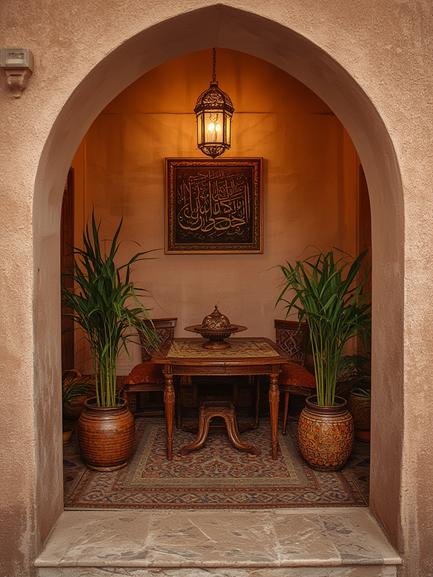
In recent years, Moroccan cuisine has gained popularity worldwide, with many restaurants and food bloggers putting their own twist on traditional recipes. Trends include healthy twists, vegan options, and fusion takes on classic Moroccan dishes.
4. Step-by-Step Cooking/Recipe Guide
Let’s cook a classic Moroccan dish: Chicken Tagine with Preserved Lemons and Olives. This recipe is a great representation of halal Moroccan food, as it adheres to halal practices and uses traditional ingredients.
Ingredients:
- 1 lb boneless, skinless chicken thighs
- 2 preserved lemons, chopped
- 1/4 cup pitted green olives
- 2 cloves garlic, minced
- 1 tsp ground cumin
- 1 tsp ground coriander
- 1/2 tsp ground cinnamon
- 1/2 tsp ground ginger
- Salt and pepper to taste
- 2 tbsp olive oil
Instructions:
1. Heat the olive oil in the bottom of a tagine or heavy pan over medium heat.
2. Add the chopped onion and cook until softened, about 5 minutes.
3. Add the garlic, cumin, coriander, cinnamon, and ginger. Cook for 1 minute, stirring constantly.
4. Add the chicken thighs and cook until browned on all sides, about 5-7 minutes.
5. Add the chopped preserved lemons, green olives, salt, and pepper. Stir to combine.
6. Cover the tagine and simmer over low heat for 30-40 minutes, or until the chicken is cooked through.
7. Serve the tagine hot, garnished with fresh parsley and served over couscous.
This recipe is a great example of halal food in Morocco, as it uses traditional ingredients and adheres to halal practices.
5. Serving, Pairing & Moroccan Dining Culture
In Morocco, meals are often served family-style, with multiple dishes placed in the center of the table. Bread is a staple, used to scoop up food and sauces. Traditional Moroccan mint tea is also an integral part of the dining culture, served hot and sweet.
When serving Moroccan dishes, consider pairing them with complementary side dishes, such as a simple green salad or roasted vegetables. For drinks, Moroccan mint tea is always a good choice, or you can opt for a refreshing glass of lemonade.
6. Health, Nutrition & Dietary Adaptations
Moroccan cuisine is known for its rich flavors and aromas, but it’s also relatively healthy. Many traditional dishes are made with vegetables, lean proteins, and whole grains. To adapt Moroccan recipes to different diets, consider the following:
- Vegetarian and vegan options: replace meat with plant-based protein sources, such as chickpeas or tofu.
- Gluten-free options: use gluten-free flours and grains, such as couscous made from corn or rice.
- Low-salt options: reduce the amount of salt used in recipes, and opt for herbs and spices to add flavor.
7. Common Mistakes & How to Avoid Them
When cooking Moroccan food, there are several common mistakes to avoid:
- Overcooking: Tagines and stews can become mushy if overcooked. Monitor the cooking time and adjust as needed.
- Wrong spice balance: Moroccan cuisine is known for its complex spice blends. Be sure to balance the spices to avoid overpowering the dish.
- Using too much liquid: tagines and stews can become too watery if too much liquid is added. Start with a small amount and adjust as needed.
8. Future of Moroccan Cuisine Worldwide
Moroccan cuisine is gaining popularity worldwide, with many restaurants and food bloggers putting their own twist on traditional recipes. As the cuisine continues to evolve, we can expect to see more fusion takes on classic dishes, as well as a greater emphasis on healthy and sustainable ingredients.
9. Conclusion
In conclusion, halal Moroccan food is a rich and diverse culinary tradition that offers something for everyone. Whether you’re a seasoned cook or just starting out, we encourage you to explore the world of Moroccan cuisine and try your hand at cooking some of the delicious dishes we’ve shared. As you explore halal food in Morocco, you’ll discover a world of flavors and traditions that are sure to inspire your culinary journey.
10. FAQs
Q1: How hard are Moroccan recipes for beginners?
A1: Moroccan recipes can be intimidating, but many are relatively simple to make. Start with basic recipes like tagines and couscous, and adjust the spice blends to taste.
Q2: How do I store leftovers?
A2: Leftovers can be stored in airtight containers in the fridge for up to 3 days. Reheat gently before serving.
Q3: What are the essential spices to buy first?
A3: Start with the basics: cumin, coriander, cinnamon, ginger, and turmeric. These spices are staples in Moroccan cooking and can be used in a variety of dishes.
Q4: Are there vegetarian options in Moroccan cuisine?
A4: Yes, many Moroccan dishes are vegetarian or can be easily adapted to be vegetarian. Try making a vegetable tagine or couscous with roasted vegetables.
Q5: What are the best dishes to cook for guests?
A5: Chicken tagine and couscous are always crowd-pleasers. You can also try making some traditional Moroccan pastries or salads to serve as appetizers or sides.