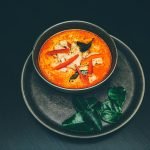

Discover the vibrant flavors of Morocco through its delicious Moroccan salads, perfect for any meal or occasion. In this comprehensive guide, we’ll explore the world of Moroccan cuisine, from essential ingredients to cooking techniques, and provide you with a step-by-step recipe to create authentic Moroccan dishes that will impress your family and friends.
Thank you for reading this post, don't forget to subscribe!For visitors to Morocco, for tourists cold salads are a refreshing treat.
1. Introduction
Moroccan cuisine is a rich tapestry of flavors and textures, influenced by the country’s strategic location at the crossroads of Africa, Europe, and the Middle East. One of the most delightful aspects of Moroccan food is its refreshing Moroccan salads, which are perfect for hot summer days or as a light accompaniment to richer dishes. For those visiting Morocco, exploring for tourists cold salads is a must, offering a cool respite from the bustling streets.
2. Key Ingredients & Kitchen Basics
To start cooking Moroccan dishes, you’ll need to familiarize yourself with some essential ingredients and kitchen tools. Some of the key ingredients include:
– Spices: cumin, coriander, cinnamon, ginger, and turmeric
– Olive oil
– Preserved lemons
– Couscous
– Fresh herbs: parsley, cilantro, and mint
Basic kitchen tools include a tagine pot, a heavy pan, and a tea pot. Many of these ingredients can be found in international grocery stores or online. For example, preserved lemons can be substituted with a combination of lemon juice and salt if they’re not available.
3. Moroccan Food Overview & Trends
Moroccan cuisine is diverse and rich, with main families of dishes including tagines, couscous, street food, pastries, and salads. 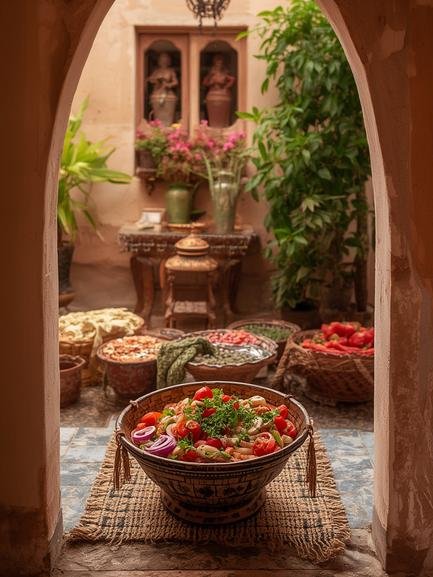 Globally, Moroccan food is perceived as flavorful and exotic, with a growing interest in healthy twists, vegan options, and fusion takes on classic recipes.
4. Step-by-Step Cooking / Recipe Guide
Let’s dive into a simple recipe for a classic Moroccan salad. Here’s a step-by-step guide to making a delicious Zaalouk salad.
Ingredients:
– 2 medium eggplants, diced
– 2 cloves of garlic, minced
– 1/4 cup olive oil
– 2 tablespoons chopped fresh parsley
– 1 tablespoon chopped fresh cilantro
– 1 preserved lemon, chopped
– 1 teaspoon ground cumin
– Salt and pepper to taste
– 2 tablespoons lemon juice
Instructions:
1. Heat the olive oil in a large pan over medium heat.
2. Add the minced garlic and cook until fragrant.
3. Add the diced eggplant and cook until tender.
4. Stir in the chopped preserved lemon, cumin, salt, and pepper.
5. Garnish with parsley and cilantro.
6. Serve chilled or at room temperature.
When preparing Moroccan salads, freshness is key. For visitors to Morocco, trying for tourists cold salads is a great way to experience the local cuisine.
5. Serving, Pairing & Moroccan Dining Culture
In Morocco, meals are often served family-style, with dishes placed in the center of the table for everyone to share. Bread is a staple and is used instead of cutlery to pick up food. Traditional Moroccan tea is an integral part of dining culture, with its sweet, minty flavor complementing a wide range of dishes. When serving Moroccan salads, consider pairing them with grilled meats or fish and a side of couscous.
6. Health, Nutrition & Dietary Adaptations
Moroccan cuisine is known for its healthy ingredients and balanced flavors. Many dishes are vegetarian or vegan-friendly, and can be adapted to suit various dietary needs. For gluten-free options, substitute couscous with quinoa or rice. To reduce salt, limit the amount of preserved lemons used.
7. Common Mistakes & How to Avoid Them
Common mistakes when cooking Moroccan food include overcooking, using the wrong spice balance, and skipping marination. To avoid these, follow recipes closely, and don’t be afraid to adjust seasoning to taste. Marinating ingredients before cooking can greatly enhance the flavor of your dishes.
8. Future of Moroccan Cuisine Worldwide
Moroccan cuisine is gaining popularity globally, with popular dishes like tagines and couscous becoming staples in many international restaurants. Social media platforms are filled with vibrant images of Moroccan food, inspiring home cooks and professional chefs alike. As interest in global cuisine continues to grow, we can expect to see more innovative takes on traditional Moroccan recipes.
9. Conclusion
In conclusion, Moroccan cuisine offers a rich and diverse culinary experience, with Moroccan salads being a highlight for many. Whether you’re a seasoned cook or just starting out, exploring the world of Moroccan food can be a rewarding adventure. For those traveling to Morocco, be sure to try the local for tourists cold salads for a refreshing and delicious experience. We encourage you to try out new recipes, experiment with different spices, and share your experiences with others.
10. FAQs
1. Are Moroccan recipes difficult for beginners to follow?
Moroccan recipes can be straightforward, especially with practice. Start with simple dishes like salads and gradually move to more complex recipes.
2. How do I store leftovers of Moroccan dishes?
Most Moroccan dishes can be stored in the refrigerator for up to 3 days. Reheat gently before serving.
3. What are the essential spices to buy for Moroccan cooking?
Start with cumin, coriander, cinnamon, ginger, and turmeric. These spices form the foundation of many Moroccan dishes.
4. Are there many vegetarian options in Moroccan cuisine?
Yes, Moroccan cuisine offers a wide range of vegetarian and vegan options, including many salads and tagines.
5. What are some popular Moroccan dishes to serve to guests?
Tagines, couscous with vegetables, and various salads are always a hit. They’re flavorful, visually appealing, and can be adapted to suit different tastes.