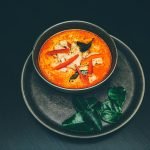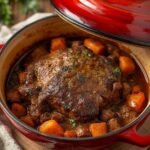

Discover the rich flavors and cultural significance of Moroccan pastilla dish, a traditional Moroccan culinary masterpiece that’s both savory and sweet. In this article, we’ll guide you through the process of preparing this iconic dish, exploring its ingredients, cooking techniques, and cultural context.
Thank you for reading this post, don't forget to subscribe!1. Introduction
Moroccan cuisine is a vibrant and diverse reflection of the country’s history, geography, and cultural heritage. One of the most fascinating aspects of Moroccan food is its ability to blend seemingly disparate flavors and ingredients into harmonious, aromatic dishes. Moroccan pastilla dish is a prime example of this culinary magic, combining layers of flaky pastry, tender meat, and fragrant spices. For those interested in trying their hand at this recipe, a classic chicken pastilla recipe is a great place to start.
2. Key Ingredients & Kitchen Basics
To cook authentic Moroccan dishes like pastilla, you’ll need a selection of essential ingredients and kitchen tools. Some of the key spices include cumin, coriander, cinnamon, and ginger, which form the backbone of many Moroccan recipes. Other important ingredients include olive oil, preserved lemons, and fresh herbs like parsley and cilantro. In terms of kitchen basics, a large tagine pot or heavy pan is essential for slow-cooking meats and stewing vegetables. For international readers, many of these ingredients can be found in specialty stores or online.
3. Moroccan Food Overview & Trends
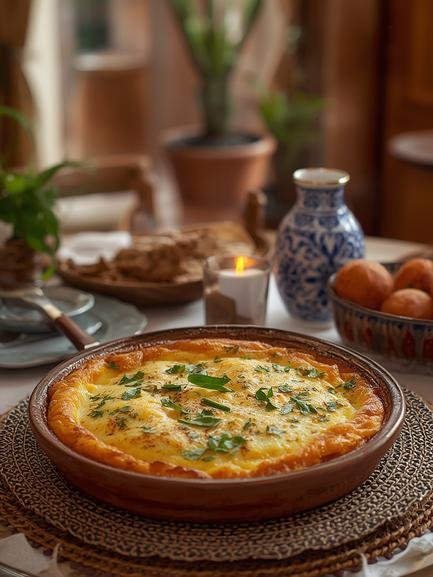 Moroccan cuisine encompasses a wide range of dishes, from hearty tagines and couscous to crispy street food and delicate pastries. Globally, Moroccan food is gaining popularity due to its rich flavors, aromas, and healthy ingredients. Trends include vegan and vegetarian adaptations of classic recipes, as well as fusion takes that blend Moroccan spices with international ingredients.
4. Step-by-Step Cooking / Recipe Guide
 To prepare a delicious Moroccan pastilla dish, follow these steps:
1. Prepare the filling by cooking chicken or a combination of meats with onions, spices, and herbs.
2. Layer the filling with flaky pastry, typically using a combination of warqa or filo dough.
3. Add a layer of beaten eggs and a sprinkle of spices on top of the filling.
4. Repeat the layering process until you reach the desired thickness.
5. Top the pastilla with a layer of pastry, brushing with melted butter or oil.
6. Bake the pastilla in a preheated oven until golden brown.
For a classic recipe, try making a chicken pastilla recipe using boneless chicken, onions, and a blend of Moroccan spices.
5. Serving, Pairing & Moroccan Dining Culture
In Morocco, meals are often served family-style, with a variety of dishes placed in the center of the table. Bread is a staple, used to scoop up flavorful sauces and stews. To pair with your pastilla, consider serving a refreshing salad or a side of preserved lemons. For dessert, sweet treats like baklava or ma’amoul are popular choices. When serving international guests, be sure to explain the cultural significance of these customs and encourage participation.
6. Health, Nutrition & Dietary Adaptations
Moroccan cuisine is known for its emphasis on whole ingredients, herbs, and spices, making it a relatively healthy option. To adapt recipes for different diets, consider substituting ingredients or adjusting cooking methods. For example, vegan pastilla can be made by replacing meat with vegetables or tofu. Gluten-free options can be achieved by using alternative flours or adjusting the type of pastry used.
7. Common Mistakes & How to Avoid Them
When cooking Moroccan dishes, common mistakes include overcooking meats, using too much liquid, and neglecting to marinate ingredients. To avoid these pitfalls, be sure to follow recipe instructions carefully and adjust cooking times and ingredient ratios as needed. Additionally, take the time to properly prepare ingredients, such as chopping onions and grating ginger.
8. Future of Moroccan Cuisine Worldwide
As Moroccan cuisine continues to gain popularity globally, we can expect to see more restaurants, cooking classes, and food tours dedicated to this rich culinary tradition. Social media platforms will play a significant role in shaping the future of Moroccan food, with influencers and bloggers sharing their own takes on classic recipes. For home cooks and food enthusiasts, the opportunity to explore and experiment with Moroccan cuisine is vast and exciting.
9. Conclusion
In conclusion, Moroccan pastilla dish is a true culinary gem, offering a complex and rewarding cooking experience. Whether you’re a seasoned chef or a curious beginner, trying your hand at a chicken pastilla recipe is a great way to explore the flavors and traditions of Moroccan cuisine. We encourage you to experiment with new ingredients, spices, and recipes, and to continue exploring the rich world of Moroccan food.
10. FAQs
1. How difficult is it to make Moroccan pastilla for a beginner?
Making Moroccan pastilla requires some practice, but with clear instructions and patience, beginners can achieve success.
2. What are the essential spices to have in my pantry for Moroccan cooking?
Cumin, coriander, cinnamon, ginger, and turmeric are fundamental spices in Moroccan cuisine.
3. Can I make vegetarian or vegan pastilla?
Yes, by substituting meat with vegetables, tofu, or other plant-based ingredients, you can create a delicious vegetarian or vegan pastilla.
4. How do I store leftover pastilla?
Leftover pastilla can be refrigerated for up to 3 days or frozen for longer storage. Simply reheat in the oven or microwave before serving.
5. What are some popular Moroccan dishes to serve alongside pastilla?
Tagines, couscous, and salads are all popular choices to serve with pastilla, offering a well-rounded and flavorful Moroccan meal.