
Discover the exotic flavors of Morocco with M’hanncha Pastry, a traditional dessert that has captivated food lovers worldwide. In this article, we’ll explore the rich world of Moroccan cuisine and provide you with the knowledge to cook authentic dishes at home.
Thank you for reading this post, don't forget to subscribe!1. Introduction
Moroccan cuisine is a vibrant blend of African, Arab, and Mediterranean flavors, making it a fascinating culinary journey for food enthusiasts. With its rich history and cultural significance, Moroccan food has gained popularity globally. M’hanncha Pastry and Snake cake Morocco are just a few examples of the delicious pastries that showcase the country’s culinary expertise.
2. Key Ingredients & Kitchen Basics
To start cooking Moroccan dishes, you’ll need to familiarize yourself with essential ingredients and kitchen tools. Some staple ingredients include:
– Olive oil: used extensively in cooking and dressing salads
– Spices: cumin, coriander, cinnamon, ginger, and turmeric are commonly used
– Preserved lemons: add a salty, tangy flavor to tagines and salads
– Couscous: a traditional North African staple made from semolina flour
– Fresh herbs: parsley, cilantro, and mint are often used to add freshness to dishes
Basic kitchen tools include a tagine pot, heavy pan, and tea pot. For international readers, substitutes can be found at local Middle Eastern or international grocery stores. Online shopping is also a convenient option.
3. Moroccan Food Overview & Trends
Moroccan cuisine encompasses various dish families, including tagines, couscous, street food, pastries, and salads. Globally, Moroccan food is perceived as exotic, flavorful, and healthy. Current trends include healthy twists on classic recipes, vegan options, and fusion takes on traditional dishes.
4. Step-by-Step Cooking / Recipe Guide
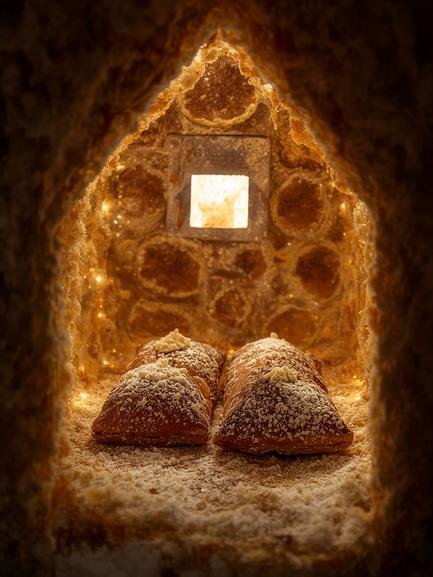
To prepare M’hanncha Pastry, you’ll need the following ingredients:
– 1 package of phyllo dough
– 1 cup of almond paste
– 1/2 cup of sugar
– 1/4 teaspoon of cinnamon
– 1/4 teaspoon of orange blossom water
– 1 egg, beaten (for brushing phyllo dough)
Here’s a step-by-step guide to making M’hanncha Pastry:
1. Preheat your oven to 375°F (190°C).
2. Thaw the phyllo dough according to the package instructions.
3. Mix the almond paste, sugar, cinnamon, and orange blossom water.
4. Layer the phyllo dough, brushing each layer with beaten egg.
5. Spread the almond mixture on the phyllo dough, leaving a 1-inch border around the edges.
6. Roll the dough into a log shape, resembling a snake, hence the name Snake cake Morocco.
7. Bake for 30-40 minutes or until golden brown.
5. Serving, Pairing & Moroccan Dining Culture
In Morocco, meals are often served family-style, with multiple dishes placed in the center of the table. Bread is used instead of cutlery, and tea is an integral part of the dining culture. When serving Moroccan dishes, consider pairing them with:
– Salads: a simple green salad or a more complex grain salad
– Drinks: mint tea, fresh juices, or Moroccan wine
– Desserts: sweet pastries like M’hanncha Pastry or traditional Moroccan cookies
6. Health, Nutrition & Dietary Adaptations
Moroccan cuisine is known for its use of fresh ingredients, herbs, and spices, making it a relatively healthy option. To adapt Moroccan recipes to different diets:
– Vegetarian and vegan options: replace meat with plant-based protein sources and adjust spices accordingly
– Gluten-free: substitute couscous with gluten-free alternatives and be mindful of ingredient labels
– Low-salt: reduce the amount of salt used in recipes and emphasize herbs and spices for flavor
7. Common Mistakes & How to Avoid Them
When cooking Moroccan food, common mistakes include:
– Overcooking: be patient and monitor cooking times to avoid overcooking tagines and couscous
– Wrong spice balance: start with small amounts of spices and adjust to taste
– Using too much liquid: adjust the amount of liquid according to the recipe and cooking method
– Skipping marination: marinate meat and vegetables to enhance flavors and textures
8. Future of Moroccan Cuisine Worldwide
Moroccan cuisine is gaining popularity globally, with popular dishes like tagines and couscous being served in restaurants worldwide. Street food tours, cooking classes, and social media trends are also contributing to its spread. As a food enthusiast, you can expect to see more fusion takes on traditional Moroccan recipes and increased interest in healthy, exotic flavors.
9. Conclusion
In conclusion, Moroccan cuisine offers a rich culinary experience, with M’hanncha Pastry and Snake cake Morocco being just a few examples of the delicious pastries to explore. By understanding key ingredients, cooking techniques, and dining culture, you can bring the flavors of Morocco to your home kitchen.
10. FAQs
1. Q: How difficult are Moroccan recipes for beginners?
A: Moroccan recipes can be straightforward, but some dishes require patience and practice. Start with simple recipes like salads and tagines.
2. Q: How do I store leftovers of Moroccan dishes?
A: Store leftovers in airtight containers in the refrigerator for up to 3 days. Reheat gently before serving.
3. Q: What are the essential spices to buy first?
A: Start with cumin, coriander, cinnamon, ginger, and turmeric. These spices are commonly used in Moroccan cooking.
4. Q: Are there vegetarian options in Moroccan cuisine?
A: Yes, many Moroccan dishes are vegetarian or can be adapted to be vegetarian. Tagines, salads, and couscous are great options.
5. Q: What are the best Moroccan dishes to cook for guests?
A: Popular dishes like chicken tagine, couscous with vegetables, and M’hanncha Pastry are great options for guests. They’re flavorful, visually appealing, and showcase the diversity of Moroccan cuisine.