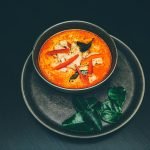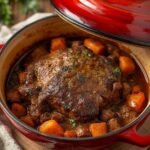

Discover the rich flavors and aromas of Moroccan cuisine with a dish that combines tender Ribeye Tagine and the decadence of Luxury beef steak. Moroccan cooking is an exciting culinary journey that offers a blend of traditional flavors, cultural heritage, and modern twists.
Thank you for reading this post, don't forget to subscribe!As you explore this fascinating world, you’ll find that dishes like Ribeye Tagine are not only delicious but also steeped in history and hospitality.
1. Introduction
Moroccan cuisine is a vibrant and diverse reflection of the country’s cultural heritage, with influences from Arabic, Mediterranean, and African traditions. At its heart is the art of slow cooking, which is perfectly embodied in the traditional tagine dish. As you start to explore Moroccan recipes, you’ll discover the rich flavors and aromas that make dishes like Ribeye Tagine so captivating, often featuring Luxury beef steak as a premium ingredient.
2. Key Ingredients & Kitchen Basics
To cook authentic Moroccan dishes, you’ll need a selection of essential ingredients and basic kitchen tools. Some of the key ingredients include:
– Spices: cumin, coriander, cinnamon, ginger, and turmeric
– Olive oil: a staple for cooking and dressing
– Preserved lemons: adding a salty, tangy flavor to many dishes
– Couscous: a traditional North African pasta made from semolina flour
– Fresh herbs: parsley, cilantro, and mint are commonly used
Basic kitchen tools include a tagine pot, a heavy pan, and a tea pot. When shopping for ingredients outside Morocco, you can find substitutes at Middle Eastern or international grocery stores. Online retailers also offer a wide range of Moroccan spices and ingredients.
3. Moroccan Food Overview & Trends
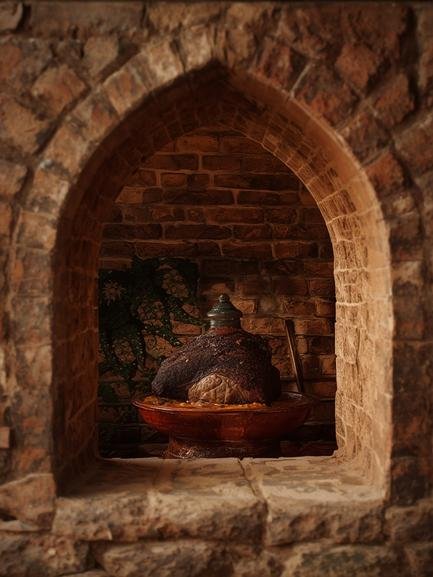 Moroccan cuisine is characterized by its rich diversity, with several main families of dishes:
– Tagines: slow-cooked stews named after the clay pot in which they’re cooked
– Couscous: a traditional pasta dish often served on special occasions
– Street food: flavorful and convenient dishes like grilled meats and savory pastries
– Pastries: sweet and savory treats like baklava and b’stilla
– Salads: fresh and vibrant salads made with local ingredients
Globally, Moroccan food is perceived as exotic and aromatic, with a growing interest in healthy twists, vegan options, and fusion takes on classic recipes.
4. Step-by-Step Cooking / Recipe Guide

To prepare a delicious Ribeye Tagine, you’ll need the following ingredients:
– 1 kg ribeye steak, cut into large pieces
– 2 tablespoons olive oil
– 1 onion, chopped
– 2 cloves garlic, minced
– 1 tablespoon grated ginger
– 1 teaspoon ground cumin
– 1 teaspoon ground coriander
– 1/2 teaspoon turmeric
– 1/2 teaspoon cinnamon
– Salt and black pepper to taste
– 2 preserved lemons, chopped
– 1 cup beef broth
– Fresh parsley and cilantro for garnish
Here’s a step-by-step guide to cooking Ribeye Tagine with a Luxury beef steak twist:
1. Heat the olive oil in a tagine pot or heavy pan over medium heat.
2. Add the chopped onion and cook until softened, about 5 minutes.
3. Add the garlic, ginger, cumin, coriander, turmeric, and cinnamon. Cook for 1 minute, stirring constantly.
4. Add the ribeye pieces and cook until browned on all sides, about 5-7 minutes.
5. Add the preserved lemons, beef broth, salt, and black pepper. Stir well to combine.
6. Cover the tagine pot and simmer for 2-3 hours, or until the meat is tender.
7. Garnish with fresh parsley and cilantro. Serve hot over couscous.
5. Serving, Pairing & Moroccan Dining Culture
In Moroccan culture, meals are often served family-style, with a variety of dishes placed in the center of the table. Bread is a staple, used to scoop up flavorful sauces and tagines. When serving Ribeye Tagine, consider pairing it with:
– Couscous or crusty bread
– A refreshing salad, like a Moroccan salad with preserved lemons and olives
– A glass of mint tea or a dry red wine
– Traditional Moroccan pastries, like baklava or makroud, for dessert
6. Health, Nutrition & Dietary Adaptations
Moroccan cuisine is generally healthy, with a focus on whole grains, fruits, and vegetables. To adapt recipes for different diets:
– Vegetarian and vegan options: substitute meat with plant-based protein sources like chickpeas or tofu.
– Gluten-free: use gluten-free couscous or substitute with quinoa or rice.
– Low-salt: reduce the amount of salt used in recipes and opt for low-sodium broth.
7. Common Mistakes & How to Avoid Them
When cooking Moroccan dishes, common mistakes include:
– Overcooking: tagines and stews can become dry if overcooked. Monitor the cooking time and adjust as needed.
– Wrong spice balance: Moroccan cuisine is known for its complex spice blends. Adjust the amount of spices to your taste, and don’t be afraid to experiment.
– Using too much liquid: tagines are cooked with a lid, which helps retain moisture. Use the right amount of liquid to achieve a rich, flavorful sauce.
– Skipping marination: marinating meat or vegetables can enhance the flavor and tenderness. Don’t skip this step!
8. Future of Moroccan Cuisine Worldwide
Moroccan cuisine is gaining popularity worldwide, with a growing interest in street food tours, cooking classes, and social media trends. As the cuisine continues to evolve, we can expect to see more fusion takes on classic recipes and innovative uses of traditional ingredients.
9. Conclusion
In conclusion, Moroccan cuisine offers a rich and diverse culinary experience, with dishes like Ribeye Tagine showcasing the perfect blend of flavors and textures, often featuring premium cuts like Luxury beef steak. As you explore this fascinating world, don’t be afraid to experiment with new ingredients and recipes. Try cooking Ribeye Tagine and other Moroccan dishes, and discover the joy of sharing meals with family and friends.
10. FAQs
Q: Are Moroccan recipes difficult to cook for beginners?
A: Moroccan recipes can be straightforward, with many dishes requiring simple preparation and slow cooking. Start with basic recipes like tagines and couscous.
Q: How do I store leftovers of Moroccan dishes?
A: Store leftovers in airtight containers in the refrigerator for up to 3 days. Reheat gently, adding a little water or broth if needed.
Q: What are the essential spices to buy for Moroccan cooking?
A: Start with cumin, coriander, cinnamon, ginger, and turmeric. These spices form the foundation of many Moroccan dishes.
Q: Can I make Moroccan dishes vegetarian or vegan?
A: Yes, many Moroccan dishes can be adapted to vegetarian or vegan diets by substituting meat with plant-based protein sources.
Q: What are some popular Moroccan dishes to cook for guests?
A: Tagines, couscous, and pastries like b’stilla are always a hit. Consider serving a variety of small dishes for a memorable dining experience.