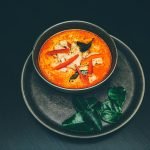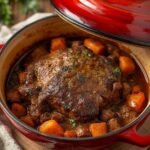

Moroccan cuisine is renowned for its rich flavors, aromas, and vibrant colors, and Moroccan Rump Steak is one of its most mouth-watering dishes. The blend of spices, herbs, and cooking techniques in Moroccan recipes has captivated food enthusiasts worldwide, making it an exciting and rewarding cuisine to explore.
Thank you for reading this post, don't forget to subscribe!Alongside other delicious dishes, Grilled beef cut is also gaining popularity among international food lovers.
1. Introduction
Moroccan cuisine offers a diverse and rich culinary experience, with dishes that cater to a wide range of tastes and preferences. The use of aromatic spices, fresh herbs, and traditional cooking methods makes Moroccan food a fascinating topic for home cooks and food enthusiasts. As we explore the world of Moroccan cuisine, we’ll delve into the secrets behind preparing an authentic Moroccan Rump Steak and discover why Grilled beef cut is becoming a staple in many kitchens.
2. Key Ingredients & Kitchen Basics
To prepare authentic Moroccan dishes, it’s essential to have the right ingredients and kitchen tools. Some of the key ingredients include:
- Spices: cumin, coriander, cinnamon, ginger, and turmeric
- Olive oil
- Preserved lemons
- Couscous
- Fresh herbs: parsley, cilantro, and mint
Basic kitchen tools required for Moroccan cooking include a tagine pot, a heavy pan, and a tea pot. For international readers, many of these ingredients can be found in specialty stores or online. Substitutes can also be used when necessary; for example, preserved lemons can be made at home or replaced with a combination of lemon juice and salt.
3. Moroccan Food Overview & Trends
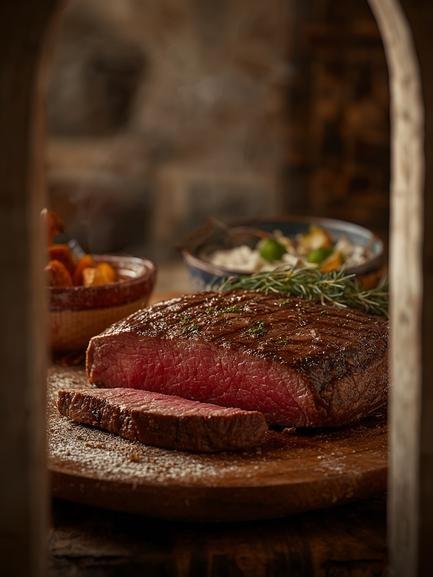
Moroccan cuisine is characterized by several main families of dishes, including:
- Tagines: slow-cooked stews made with meat, vegetables, and dried fruits
- Couscous: a traditional North African dish made from semolina flour
- Street food: popular dishes like kebabs and grilled meats
- Pastries: sweet and savory pastries filled with meat, vegetables, or cheese
- Salads: fresh and flavorful salads made with local ingredients
Moroccan food is gaining popularity worldwide, with trends like healthy twists, vegan options, and fusion takes on classic Moroccan recipes. As the cuisine continues to evolve, new and exciting variations are emerging.
4. Step-by-Step Cooking / Recipe Guide
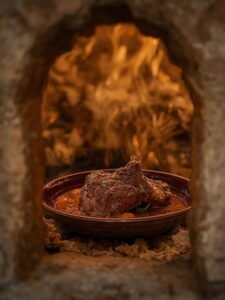
Here’s a step-by-step guide to preparing an authentic Moroccan Rump Steak:
1. Preparation: Marinate the rump steak in a mixture of olive oil, garlic, ginger, cumin, coriander, and paprika for at least 2 hours.
2. Grilling: Grill the marinated rump steak over medium-high heat for 4-5 minutes per side, or until cooked to your desired level of doneness. This Grilled beef cut is best served with a side of roasted vegetables or couscous.
3. Serving: Slice the grilled rump steak against the grain and serve with a drizzle of olive oil and a sprinkle of fresh parsley.
5. Serving, Pairing & Moroccan Dining Culture
In Moroccan cuisine, meals are often served family-style, with multiple dishes shared among guests. Bread is a staple in Moroccan dining, used to scoop up flavorful sauces and tagines. When serving Moroccan dishes, consider pairing them with traditional sides like couscous, roasted vegetables, or salads. For drinks, mint tea is a classic Moroccan beverage that’s perfect for accompanying meals. For dessert, sweet pastries like baklava or ghriba are popular choices.
6. Health, Nutrition & Dietary Adaptations
Moroccan cuisine is known for its emphasis on fresh ingredients, herbs, and spices, making it a relatively healthy and balanced diet. To adapt Moroccan recipes to different diets, consider the following:
- Vegetarian and vegan options: Replace meat with plant-based protein sources like chickpeas, lentils, or tofu.
- Gluten-free: Use gluten-free flours like almond or coconut flour in place of traditional wheat flour.
- Low-salt: Reduce the amount of salt used in recipes and rely on herbs and spices for flavor.
7. Common Mistakes & How to Avoid Them
When cooking Moroccan food, common mistakes to avoid include:
- Overcooking: Moroccan dishes are often cooked slowly, but overcooking can result in tough or dry meat.
- Wrong spice balance: Moroccan cuisine relies on a delicate balance of spices; using too much or too little of any one spice can throw off the flavor.
- Skipping marination: Marinating meat or vegetables is an essential step in many Moroccan recipes, adding flavor and tenderizing the ingredients.
8. Future of Moroccan Cuisine Worldwide
As Moroccan cuisine continues to gain popularity worldwide, we can expect to see new trends and innovations emerge. From street food tours to cooking classes, there’s a growing interest in exploring the flavors and traditions of Moroccan food. Social media platforms are also playing a key role in showcasing Moroccan cuisine, with food bloggers and influencers sharing their favorite recipes and cooking techniques.
9. Conclusion
In conclusion, Moroccan cuisine offers a rich and diverse culinary experience, with dishes like Moroccan Rump Steak and Grilled beef cut showcasing the flavors and traditions of this vibrant culture. By exploring the world of Moroccan food, home cooks and food enthusiasts can discover new flavors, techniques, and recipes to enjoy.
10. FAQs
1. How difficult are Moroccan recipes for beginners?
Moroccan recipes can be straightforward, but some dishes require patience and practice to master. Start with simple recipes and gradually experiment with more complex dishes.
2. How do I store leftovers of Moroccan dishes?
Most Moroccan dishes can be stored in airtight containers in the refrigerator for up to 3 days. Reheat gently before serving.
3. What are the essential spices to buy first for Moroccan cooking?
Start with basic spices like cumin, coriander, cinnamon, ginger, and turmeric. These spices form the foundation of many Moroccan recipes.
4. Are there vegetarian options in Moroccan cuisine?
Yes, Moroccan cuisine offers a wide range of vegetarian options, including tagines, salads, and pastries. Many dishes can be adapted to suit vegetarian or vegan diets.
5. What are the best Moroccan dishes to cook for guests?
Popular dishes like tagines, couscous, and pastries are great options for serving guests. Consider making a few different dishes to share family-style.