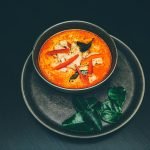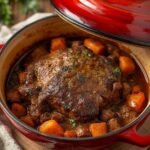

Discover the rich flavors and aromas of Moroccan cuisine with Moroccan Oxtail, a dish that’s gaining popularity worldwide. Moroccan cuisine is known for its bold flavors, vibrant colors, and hearty portions, making it a favorite among foodies and home cooks alike. In this article, we’ll explore the world of Moroccan cooking, focusing on the beloved Beef tail specialty and Moroccan Oxtail.
Thank you for reading this post, don't forget to subscribe!1. Introduction
Moroccan cuisine is a culinary journey that will transport your taste buds to the vibrant markets and souks of Marrakech. With its rich history and cultural influences, Moroccan food offers a unique blend of flavors and aromas. One of the standout dishes is Moroccan Oxtail, a slow-cooked masterpiece that’s rich in flavor and tender in texture. As a Beef tail specialty, it’s a must-try for any meat lover.
2. Key Ingredients & Kitchen Basics
To start cooking Moroccan dishes like Moroccan Oxtail, you’ll need to familiarize yourself with some essential ingredients and kitchen tools. Moroccan cuisine relies heavily on spices like cumin, coriander, ginger, and cinnamon, as well as olive oil, preserved lemons, and couscous. Basic kitchen tools include a tagine pot, heavy pan, and tea pot. When shopping for ingredients outside Morocco, look for Middle Eastern or international grocery stores, or online retailers that specialize in Moroccan products. You can also substitute some ingredients with local alternatives – for example, using preserved lemon juice or making your own spice blends.

3. Moroccan Food Overview & Trends
Moroccan cuisine is diverse and can be categorized into several main families: tagines, couscous, street food, pastries, and salads. Tagines are slow-cooked stews made with meat, vegetables, and dried fruits, while couscous is a staple dish made from semolina flour. Street food is popular in Morocco, with popular dishes like grilled meats and fried doughnuts. Pastries and salads are also an integral part of Moroccan cuisine, often featuring sweet and savory flavors. Moroccan food is gaining popularity worldwide, with trends like healthy twists, vegan options, and fusion takes on classic recipes.
4. Step-by-Step Cooking / Recipe Guide

Let’s dive into the recipe for Moroccan Oxtail. This hearty dish is a staple in Moroccan cuisine and is sure to become a favorite. As a Beef tail specialty, it’s a great example of the rich flavors and tender textures that Moroccan cooking has to offer.
Moroccan Oxtail Recipe
Ingredients:
– 1 oxtail, cut into large pieces
– 2 tablespoons olive oil
– 1 onion, chopped
– 2 cloves garlic, minced
– 1 tablespoon grated ginger
– 1 teaspoon ground cumin
– 1 teaspoon ground coriander
– 1 teaspoon paprika
– 1/2 teaspoon cayenne pepper
– 1/2 teaspoon salt
– 1/4 teaspoon black pepper
– 2 cups beef broth
– 1 cup red wine
– 2 tablespoons honey
– 2 tablespoons chopped fresh parsley
– 2 tablespoons chopped fresh cilantro
– 1 preserved lemon, chopped (optional)
Instructions:
1. Heat the olive oil in a large tagine or Dutch oven over medium heat. Add the chopped onion and cook until softened, about 5 minutes.
2. Add the garlic, ginger, cumin, coriander, paprika, cayenne pepper, salt, and black pepper. Cook for 1 minute, stirring constantly.
3. Add the oxtail pieces and cook until browned on all sides, about 5 minutes.
4. Add the beef broth, red wine, and honey. Bring to a boil, then cover and transfer to the oven.
5. Braise the oxtail for 2 1/2 to 3 hours, or until tender and falling off the bone.
6. Stir in the chopped parsley, cilantro, and preserved lemon (if using). Serve hot, garnished with additional parsley and cilantro.
5. Serving, Pairing & Moroccan Dining Culture
In Morocco, meals are a social affair, with family and friends gathering to share food and conversation. When serving Moroccan dishes like Moroccan Oxtail, consider traditional serving styles, such as sharing plates and using bread instead of cutlery. For side dishes, try serving a simple green salad or roasted vegetables. For drinks, Moroccan mint tea is a classic pairing, while for dessert, try a sweet pastry like baklava or ghriba.
6. Health, Nutrition & Dietary Adaptations
Moroccan cuisine is known for its rich flavors and hearty portions, but it can also be adapted to suit various dietary needs. To make Moroccan Oxtail more vegetarian or vegan-friendly, substitute the oxtail with portobello mushrooms or eggplant. For gluten-free options, use gluten-free couscous or substitute with cauliflower rice. To reduce salt, use low-sodium broth and limit the amount of preserved lemon used.
7. Common Mistakes & How to Avoid Them
When cooking Moroccan dishes, there are several common mistakes to watch out for. Overcooking can result in tough, dry meat, while under-seasoning can lead to bland flavors. To avoid these mistakes, make sure to marinate your ingredients, use a thermometer to check internal temperatures, and taste as you go. Other common mistakes include using too much liquid, skipping the browning step, and not adjusting spice levels.
8. Future of Moroccan Cuisine Worldwide
Moroccan cuisine is gaining popularity worldwide, with popular dishes like tagines and couscous being featured in restaurants and cookbooks. As the world becomes more connected, we can expect to see more fusion takes on classic Moroccan recipes, as well as increased interest in healthy and sustainable Moroccan cooking.
9. Conclusion
In conclusion, Moroccan cuisine offers a rich and exciting culinary journey, with dishes like Moroccan Oxtail and Beef tail specialty showcasing the country’s bold flavors and hearty portions. Whether you’re a seasoned cook or just starting out, we encourage you to try new recipes, experiment with spices, and explore the world of Moroccan cuisine. With its diverse flavors and cultural influences, Moroccan food is sure to delight and inspire.
10. FAQs
1. Q: Are Moroccan recipes difficult for beginners to follow?
A: While some Moroccan recipes may require special ingredients or techniques, many dishes are straightforward to prepare and can be adapted to suit various skill levels.
2. Q: How do I store leftovers of Moroccan dishes?
A: Leftover Moroccan dishes can be stored in airtight containers in the refrigerator for up to 3 days or frozen for up to 3 months. Reheat gently before serving.
3. Q: What are the essential spices to buy for Moroccan cooking?
A: Some essential spices for Moroccan cooking include cumin, coriander, ginger, cinnamon, and paprika. You can also buy pre-mixed spice blends like ras el hanout.
4. Q: Are there vegetarian options in Moroccan cuisine?
A: Yes, Moroccan cuisine offers many vegetarian options, such as vegetable tagines, couscous with vegetables, and salads.
5. Q: What are some popular Moroccan dishes to serve to guests?
A: Popular Moroccan dishes to serve to guests include tagines, couscous, and pastries like baklava or ghriba. Consider serving a variety of small dishes to showcase the diversity of Moroccan cuisine.