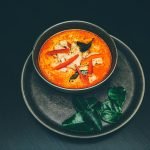

Moroccan Sardine Balls: 7 Essential Steps to Master This Delicious Moroccan Sardine Balls Recipe
Discover the rich flavors of Moroccan cuisine with a delightful twist on a classic dish. In Moroccan cooking, Moroccan Sardine Balls are a beloved snack, blending the freshness of sardines with a mix of aromatic spices. This dish is not only a treat for the taste buds but also a representation of the country’s culinary creativity, closely related to its Fish cake speciality.
Thank you for reading this post, don't forget to subscribe!1. Introduction
Moroccan cuisine is a vibrant and diverse reflection of the country’s cultural heritage, with a focus on bold flavors, aromatic spices, and hearty ingredients. One of the exciting aspects of Moroccan cooking is its ability to blend traditional techniques with modern twists, making it appealing to home cooks around the world. Moroccan Sardine Balls are a great example of this blend, offering a unique flavor profile that is both familiar and exotic. Similarly, Moroccan cuisine boasts a variety of fish-based dishes, including its renowned Fish cake speciality, which shares some similarities with sardine balls in terms of preparation and flavor.
2. Key Ingredients & Kitchen Basics
To cook authentic Moroccan dishes like Moroccan Sardine Balls, it’s essential to have the right ingredients and kitchen tools. Essential Moroccan ingredients include a variety of spices (cumin, coriander, paprika, cinnamon), olive oil, preserved lemons, and fresh herbs like parsley and cilantro. Basic kitchen tools include a tagine pot, a heavy pan for frying, and a tea pot for serving traditional Moroccan tea. For international readers, finding substitutes for some ingredients might be necessary; for instance, preserved lemons can be made at home or found in specialty stores.
3. Moroccan Food Overview & Trends
Moroccan cuisine is characterized by several main categories of dishes, including tagines (slow-cooked stews), couscous (a staple made from semolina flour), street food (like grilled meats and fried snacks), pastries (both sweet and savory), and salads (often featuring fresh vegetables and fruits). Worldwide, Moroccan food is perceived as exotic and flavorful, with a growing interest in healthy and vegan options. Trends in Moroccan cuisine include fusion takes on classic recipes and innovative uses of traditional ingredients. 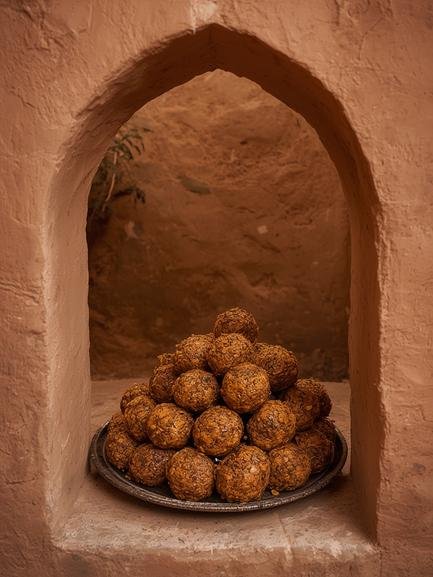
4. Step-by-Step Cooking / Recipe Guide
To prepare Moroccan Sardine Balls, follow these steps:
1. Drain and rinse a can of sardines.
2. Mix the sardines with chopped onions, parsley, cilantro, garlic, cumin, paprika, salt, and pepper.
3. Add beaten eggs and breadcrumbs to bind the mixture.
4. Shape the mixture into small balls.
5. Fry the balls until golden brown.
6. Drain on paper towels.
7. Serve hot with a side of tangy lemon sauce or a simple salad. This recipe is reminiscent of other fish-based dishes in Moroccan cuisine, such as its Fish cake speciality, which also combines fish with spices and herbs.
5. Serving, Pairing & Moroccan Dining Culture
In Morocco, meals are often served family-style, with several dishes placed in the center of the table for everyone to share. Bread is a staple and is used instead of cutlery to pick up food. Traditional Moroccan tea is served throughout meals and is an integral part of the dining culture. For Moroccan Sardine Balls, consider pairing with a refreshing salad or a side of couscous, and serve with a pot of mint tea.
6. Health, Nutrition & Dietary Adaptations
Moroccan cuisine is known for its health benefits, thanks to the use of fresh ingredients, olive oil, and a variety of vegetables and fruits. To adapt Moroccan Sardine Balls to different diets, consider substituting ingredients: for a vegan version, use flax eggs and vegan-friendly breadcrumbs; for a gluten-free version, use gluten-free breadcrumbs. Adjusting ingredients can help maintain the authentic flavor while catering to dietary needs.
7. Common Mistakes & How to Avoid Them
Common mistakes when cooking Moroccan dishes include overcooking, using too much liquid, and not balancing spices correctly. To avoid these issues, ensure that you follow recipes closely, use a timer when cooking, and taste as you go to adjust seasoning. Marinating ingredients before cooking can also enhance flavors.
8. Future of Moroccan Cuisine Worldwide
Moroccan cuisine is gaining popularity globally, with many restaurants and food bloggers sharing their takes on traditional dishes. The rise of social media has made it easier for home cooks to discover and share Moroccan recipes. As interest in international cuisine continues to grow, we can expect to see more fusion and innovative Moroccan dishes.
9. Conclusion
Discovering and cooking Moroccan dishes like Moroccan Sardine Balls offers a unique culinary experience that combines flavor, culture, and creativity. Whether you’re a seasoned cook or just starting to explore Moroccan cuisine, dishes like Moroccan Sardine Balls and its Fish cake speciality are sure to delight. Experiment with spices, try new recipes, and enjoy the rich culinary heritage of Morocco.
10. FAQs
1. Are Moroccan recipes hard for beginners?
Moroccan recipes can be straightforward once you understand the basic ingredients and techniques. Start with simple dishes and gradually experiment with more complex recipes.
2. How do I store leftovers of Moroccan dishes?
Leftovers can be stored in airtight containers in the refrigerator for a few days. Reheat gently to preserve flavors.
3. What are the essential spices to buy for Moroccan cooking?
Start with cumin, coriander, paprika, cinnamon, and turmeric. These spices form the basis of many Moroccan dishes.
4. Can I make Moroccan dishes vegetarian or vegan?
Yes, many Moroccan dishes can be adapted to vegetarian or vegan diets by substituting ingredients like meat or eggs.
5. What are the best Moroccan dishes to cook for guests?
Dishes like tagines, couscous with vegetables, and pastries are popular choices for guests. They’re flavorful and showcase the diversity of Moroccan cuisine.