
Monkfish Tagine 7 Secrets: Unlock the Flavors of Morocco
Discover the rich flavors and aromas of Moroccan cuisine with our guide to cooking the perfect Monkfish Tagine. In this article, we’ll explore the essential ingredients, cooking techniques, and cultural traditions behind this beloved dish.
Thank you for reading this post, don't forget to subscribe!1. Introduction
Moroccan cuisine is a vibrant and diverse reflection of the country’s rich history and cultural heritage. One dish that embodies the flavors and aromas of Morocco is Monkfish Tagine, a slow-cooked stew made with tender monkfish, fragrant spices, and preserved lemons. As a delicacy, Tail meat specialty is often associated with special occasions and is a popular choice in Moroccan cuisine.
2. Key Ingredients & Kitchen Basics
To cook authentic Moroccan dishes like Monkfish Tagine, you’ll need a few essential ingredients and kitchen tools. Some of the key spices include cumin, coriander, cinnamon, and turmeric, which are commonly used in Moroccan cooking. Other essential ingredients include olive oil, preserved lemons, and couscous. In terms of kitchen tools, a tagine pot is a must-have for cooking traditional Moroccan stews, but a heavy pan or Dutch oven can be used as a substitute.
3. Moroccan Food Overview & Trends
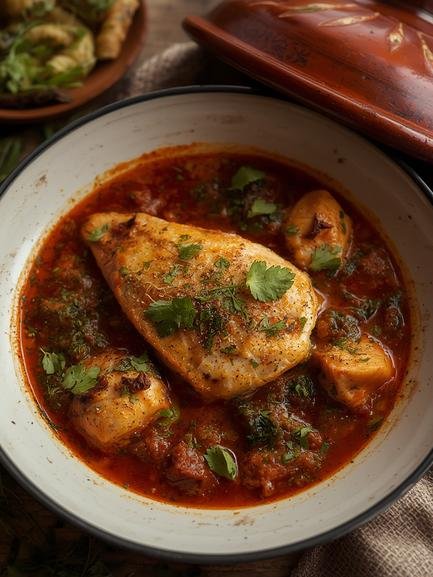 Moroccan cuisine is characterized by a diverse range of dishes, including tagines, couscous, street food, pastries, and salads. Tagines, like Monkfish Tagine, are slow-cooked stews made with meat, vegetables, and spices. Moroccan food is gaining popularity worldwide, with trends like healthy twists, vegan options, and fusion takes on classic recipes. For example, some chefs are now using cauliflower instead of couscous or adding unique spices to traditional tagine recipes.
4. Step-by-Step Cooking / Recipe Guide
To cook Monkfish Tagine, start by preparing the ingredients, including 1 pound of monkfish, 1 onion, 2 cloves of garlic, 1 tablespoon of grated ginger, and 1 preserved lemon. Here’s a step-by-step guide to cooking Monkfish Tagine:
1. Heat 2 tablespoons of olive oil in a tagine pot or heavy pan over medium heat.
2. Add the onion and cook until softened, about 5 minutes.
3. Add the garlic and ginger and cook for 1 minute.
4. Add the monkfish and cook until browned on all sides, about 5 minutes.
5. Add the spices, preserved lemon, and 1 cup of water. Bring to a simmer, then reduce the heat to low and cook, covered, for 20-25 minutes or until the fish is cooked through.
As a delicacy, Tail meat specialty can be used in place of monkfish for a more luxurious take on the dish.
5. Serving, Pairing & Moroccan Dining Culture
In Moroccan cuisine, meals are often served family-style, with a variety of dishes shared among guests. When serving Monkfish Tagine, consider pairing it with a side of couscous or crusty bread. A refreshing salad or pickled vegetables can also provide a nice contrast to the rich flavors of the tagine. For drinks, a glass of mint tea or a Moroccan wine like Guerrouane can complement the meal. For dessert, traditional options like baklava or makroud can provide a sweet finish.
6. Health, Nutrition & Dietary Adaptations
Moroccan cuisine is known for its emphasis on fresh ingredients, vegetables, and lean proteins, making it a great option for healthy eating. To adapt Monkfish Tagine to a vegetarian or vegan diet, simply substitute the fish with a plant-based protein source like tofu or tempeh. You can also reduce the amount of oil used in the recipe or add more vegetables to make it more nutritious.
7. Common Mistakes & How to Avoid Them
One common mistake when cooking Moroccan tagines is using too much liquid, which can result in a watery or stew-like consistency. To avoid this, make sure to use the right amount of liquid and to simmer the tagine slowly over low heat. Another mistake is not marinating the ingredients long enough, which can result in a lack of flavor. To avoid this, marinate the ingredients for at least 30 minutes to allow the flavors to penetrate the meat.
8. Future of Moroccan Cuisine Worldwide
Moroccan cuisine is gaining popularity worldwide, with the rise of social media and food blogging. As more people discover the flavors and aromas of Moroccan cooking, we can expect to see new trends and innovations in the culinary scene. From modern twists on traditional recipes to fusion cuisine that blends Moroccan flavors with international ingredients, the future of Moroccan cuisine looks bright.
9. Conclusion
In conclusion, cooking Monkfish Tagine is a great way to experience the flavors and aromas of Moroccan cuisine. With its rich spices, tender fish, and preserved lemons, this dish is sure to delight even the most discerning palates. As a delicacy, Tail meat specialty can be used to elevate the dish to new heights. By following the steps outlined in this guide, you can create a delicious and authentic Moroccan meal that will transport you to the souks of Marrakech.
10. FAQs
Q: How difficult is it to cook Moroccan recipes for beginners?
A: Moroccan recipes can be easy to cook, even for beginners. Start with simple dishes like salads or tagines with pre-cut ingredients.
Q: How do I store leftover Moroccan food?
A: Store leftover Moroccan food in airtight containers in the refrigerator for up to 3 days. Reheat gently before serving.
Q: What are some essential spices to have in my pantry for Moroccan cooking?
A: Essential spices for Moroccan cooking include cumin, coriander, cinnamon, turmeric, and paprika.
Q: Can I make vegetarian or vegan versions of Moroccan tagines?
A: Yes, you can make vegetarian or vegan versions of Moroccan tagines by substituting the meat with plant-based protein sources like tofu or tempeh.
Q: What are some popular Moroccan dishes to serve to guests?
A: Popular Moroccan dishes to serve to guests include tagines, couscous, pastilla, and salads. Consider serving a variety of small dishes to showcase the diversity of Moroccan cuisine.