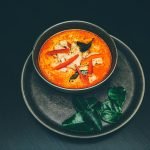

Discover the rich flavors and aromas of Morocco with the iconic Moroccan tagine, a slow-cooked stew named after the traditional clay pot in which it’s prepared. As you explore the world of Moroccan cuisine, you’ll be captivated by the blend of traditional spices, fresh ingredients, and ancient cooking techniques that have been passed down through generations.
Thank you for reading this post, don't forget to subscribe!1. Introduction
Moroccan cuisine is a vibrant and diverse reflection of the country’s history, geography, and cultural heritage. At its heart is the Moroccan tagine, a dish that embodies the rich flavors and aromas of the region. Traditionally cooked in a traditional clay pot, Moroccan tagine is a culinary experience that combines tender meat, fragrant spices, and a variety of vegetables in a harmonious balance of flavors.
2. Key Ingredients & Kitchen Basics
To embark on a culinary journey through Morocco, you’ll need to familiarize yourself with the essential ingredients and kitchen tools. Key spices include cumin, coriander, cinnamon, ginger, and paprika, which form the foundation of many Moroccan dishes. Other staples are olive oil, preserved lemons, and couscous. In terms of kitchen basics, a tagine pot, heavy pan, and teapot are indispensable for preparing authentic Moroccan meals. While some ingredients might be hard to find outside Morocco, substitutes can be sourced from international or online stores, making it easier to cook Moroccan cuisine worldwide.
3. Moroccan Food Overview & Trends

Moroccan cuisine is characterized by its diversity, with main families of dishes including tagines, couscous, street food, pastries, and salads. Globally, Moroccan food is appreciated for its rich flavors, aromas, and healthy ingredients. Trends such as vegan options, healthy twists, and fusion cuisine are gaining popularity, allowing Moroccan recipes to be adapted to modern tastes and dietary preferences.
4. Step-by-Step Cooking/Recipe Guide

To prepare an authentic Moroccan tagine, follow these steps:
1. Begin by marinating your choice of meat (lamb, chicken, or beef) in a mixture of olive oil, spices, garlic, and ginger.
2. Heat the traditional clay pot or a heavy pan over medium heat and sauté onions until softened.
3. Add the marinated meat and cook until browned on all sides.
4. Add a selection of vegetables (carrots, potatoes, or zucchini) and a splash of water or broth.
5. Cover the tagine and simmer over low heat for about an hour, or until the meat is tender.
6. Season with salt, pepper, and a squeeze of preserved lemon juice.
7. Serve the tagine hot, garnished with fresh herbs and accompanied by couscous or bread.
5. Serving, Pairing & Moroccan Dining Culture
In Morocco, meals are a communal affair, with dishes served in the center of the table for everyone to share. Bread is used instead of cutlery, and meals are often concluded with a traditional tea ceremony. For side dishes, consider salads, grilled vegetables, or pickled turnips. Pair your tagine with a refreshing mint tea or a glass of red wine, and follow with a sweet pastry or fruit for dessert.
6. Health, Nutrition & Dietary Adaptations
Moroccan cuisine is known for its healthy ingredients and balanced nutrition. To adapt recipes to different diets, consider substituting meat with plant-based alternatives for vegan or vegetarian options, using gluten-free couscous or bread, and limiting salt by enhancing flavors with herbs and spices. The key is to maintain the authenticity of the dish while adjusting ingredients to suit dietary needs.
7. Common Mistakes & How to Avoid Them
Common mistakes when cooking Moroccan food include overcooking, using the wrong spice balance, adding too much liquid, and skipping marination. To avoid these pitfalls, be patient and allow dishes to simmer gently, adjust spices to taste, monitor liquid levels, and marinate ingredients to enhance flavors.
8. Future of Moroccan Cuisine Worldwide
As Moroccan cuisine continues to gain popularity globally, we can expect to see more street food tours, cooking classes, and social media trends centered around Moroccan food. Popular dishes are being adapted to local tastes, and there’s a growing interest in healthy, authentic, and innovative Moroccan recipes.
9. Conclusion
In conclusion, Moroccan tagine is more than just a dish; it’s a culinary journey through the flavors, aromas, and traditions of Morocco. Cooking in a traditional clay pot enhances the experience, connecting you to the rich heritage of Moroccan cuisine. We encourage you to explore more recipes, experiment with spices, and discover the joy of sharing Moroccan meals with family and friends.
10. FAQs
1. How difficult are Moroccan recipes for beginners? Moroccan recipes can be straightforward, but they often require patience due to the slow-cooking process. Start with simple dishes like salads or tagines with fewer ingredients.
2. How do I store leftovers? Leftover tagine can be stored in an airtight container in the refrigerator for up to 3 days and reheated gently.
3. What are the essential spices to buy first? Start with cumin, coriander, cinnamon, ginger, and paprika, as these form the core of many Moroccan dishes.
4. Are there vegetarian options? Yes, vegetarian tagines made with vegetables, legumes, or tofu are common and delicious.
5. What are the best dishes to cook for guests? Tagine, couscous with vegetables, and pastries like bastilla are great options for guests, offering a taste of Morocco’s rich culinary heritage.