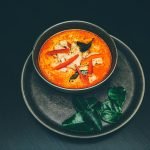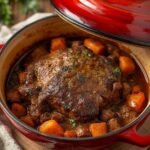

As you start exploring the vibrant world of Moroccan cuisine, you’ll find that Moroccan spices shopping is an adventure in itself, filled with aromatic delights and flavors that will elevate your cooking. Moroccan food is not just about the recipes; it’s about the culture, the tradition, and the joy of sharing meals with others. Whether you’re drawn to the rich flavors, the health benefits, or the cultural experience, cooking Moroccan dishes can be a rewarding and delicious journey. In this article, we’ll guide you through the essentials of Moroccan cuisine, from key ingredients and kitchen basics to cooking techniques and dining culture. We’ll also explore where to find the ingredients you need, including tips on where to buy spices Morocco.
Thank you for reading this post, don't forget to subscribe!1. Introduction to Moroccan Cuisine
Moroccan cuisine is a beautiful blend of African, Arab, and Mediterranean flavors, known for its rich spices, preserved ingredients, and hearty dishes. At its heart is the concept of sharing meals with family and friends, often centered around fragrant tagines, fluffy couscous, and an array of vibrant salads. For anyone new to Moroccan cooking, understanding the role of spices and how to source them is crucial. This is where Moroccan spices shopping becomes an exciting part of your culinary journey. To get started, you’ll also need to know where to buy spices Morocco or alternatives in your local area.
2. Key Ingredients & Kitchen Basics
To cook Moroccan dishes, you’ll need a few essential ingredients and some basic kitchen tools. The spice rack is the backbone of any Moroccan kitchen, featuring staples like cumin, coriander, cinnamon, ginger, turmeric, and the iconic spice blend known as Ras el hanout. Other key ingredients include olive oil, preserved lemons, olives, and of course, couscous. In terms of kitchen tools, a tagine pot is ideal for slow-cooking stews, while a heavy pan is useful for searing meats and cooking vegetables. For tea, a traditional Moroccan tea pot is a must-have. For those outside Morocco, finding substitutes or sourcing ingredients online is easier than ever, with many online stores offering Moroccan spices and ingredients.
3. Moroccan Food Overview & Trends
Moroccan cuisine is diverse, with main families of dishes including tagines (slow-cooked stews), couscous (often served with vegetables and meat), street food (like grilled meats and savory pastries), and salads (often featuring preserved lemons and olives). Globally, Moroccan food is appreciated for its flavorful and aromatic dishes, as well as its healthy ingredients and cooking methods. Trends in Moroccan cuisine include healthy twists on traditional recipes, vegan options, and fusion takes that blend Moroccan flavors with international cuisines. 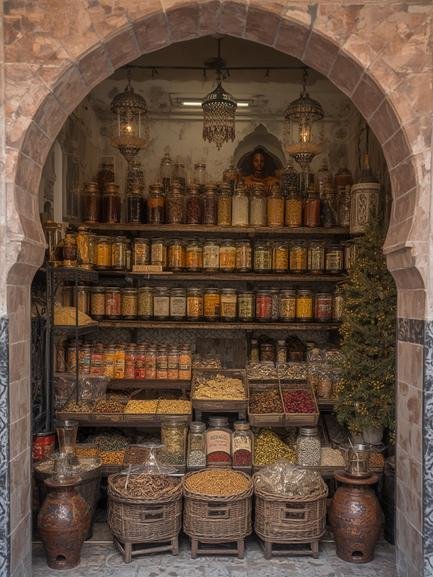
4. Step-by-Step Cooking / Recipe Guide
Let’s dive into a classic Moroccan recipe: Chicken Tagine with Preserved Lemons and Olives. This dish is a staple of Moroccan cuisine and showcases the rich flavors that can be achieved with the right spices and ingredients.
Ingredients:
– 1 whole chicken, cut into pieces
– 2 preserved lemons, chopped
– 1/4 cup green olives, pitted
– 2 tablespoons olive oil
– 1 onion, chopped
– 2 cloves garlic, minced
– 1 teaspoon ground ginger
– 1 teaspoon ground cumin
– 1 teaspoon ground coriander
– 1/2 teaspoon turmeric
– 1/2 teaspoon cinnamon
– 1/4 teaspoon black pepper
– 1/4 teaspoon saffron threads, soaked in 2 tablespoons hot water
– Salt to taste
– Fresh parsley, chopped (for garnish)
Instructions:
1. Heat the olive oil in the bottom of a tagine or heavy pan over medium heat. Add the chopped onion and cook until softened.
2. Add the garlic, ginger, cumin, coriander, turmeric, cinnamon, and black pepper. Cook for 1-2 minutes until fragrant.
3. Add the chicken pieces and cook until browned on all sides.
4. Add the chopped preserved lemons, green olives, saffron with its soaking water, and salt to taste. Stir well.
5. Cover the tagine or pan and simmer over low heat for about 30-40 minutes, or until the chicken is cooked through and the sauce has thickened.
6. Garnish with chopped fresh parsley and serve over couscous.
For those looking to explore more recipes, Moroccan spices shopping online can provide you with the authentic spices needed for a variety of dishes. Additionally, knowing where to buy spices Morocco can be helpful for those planning a trip or looking for local sources.
5. Serving, Pairing & Moroccan Dining Culture
Moroccan meals are typically served family-style, with dishes placed in the center of the table for everyone to share. Bread is a staple, used to scoop up food in place of cutlery. Tea is an integral part of Moroccan dining culture, with mint tea being the most common variety served. For side dishes, consider simple salads or roasted vegetables. Drinks like lemon juice or water with mint are refreshing accompaniments. For dessert, traditional options include pastries filled with nuts and honey.
6. Health, Nutrition & Dietary Adaptations
Moroccan cuisine is known for its health benefits, thanks to the use of fresh ingredients, olive oil, and a variety of spices. Many traditional dishes can be adapted to suit different diets. For vegetarian or vegan options, simply omit the meat and add more vegetables or beans. For gluten-free diets, use gluten-free couscous or substitute with quinoa. To reduce salt, limit the amount used in recipes and rely on spices for flavor.
7. Common Mistakes & How to Avoid Them
One common mistake when cooking Moroccan food is overcooking the meat or vegetables, leading to tough or mushy textures. To avoid this, cook ingredients until they’re just done. Another mistake is using too much or too little spice, which can throw off the balance of flavors. Start with the recommended amounts and adjust to taste. Skipping marination can also result in less flavorful dishes; take the time to marinate meats and vegetables for the best results.
8. Future of Moroccan Cuisine Worldwide
Moroccan cuisine is gaining popularity worldwide, with many restaurants and home cooks exploring its rich flavors and techniques. Trends include the fusion of Moroccan dishes with local ingredients and cuisines, creating new and exciting flavors. As interest in global cuisines continues to grow, we can expect to see more Moroccan cooking classes, street food tours, and social media trends featuring Moroccan dishes.
9. Conclusion
Moroccan cuisine offers a rich and rewarding culinary journey, with its blend of spices, preserved ingredients, and hearty dishes. By understanding the key ingredients, kitchen basics, and cooking techniques, you can create authentic Moroccan meals at home. Whether you’re shopping for spices online or in Morocco, Moroccan spices shopping is an adventure worth taking. For those interested in exploring more, knowing where to buy spices Morocco can add to your culinary experience. We encourage you to try new recipes, experiment with spices, and explore the vibrant world of Moroccan food.
10. FAQs
1. How hard are Moroccan recipes for beginners?
Moroccan recipes can be straightforward, but they often require a few specialty ingredients. Start with simple dishes like salads or tagines with fewer ingredients.
2. How do I store leftover Moroccan dishes?
Leftover Moroccan dishes can be stored in the refrigerator for up to 3 days. Reheat gently to maintain the flavors and textures.
3. What are the essential spices to buy first for Moroccan cooking?
Start with the basics: cumin, coriander, cinnamon, ginger, turmeric, and Ras el hanout. These spices will allow you to make a variety of traditional dishes.
4. Are there many vegetarian options in Moroccan cuisine?
Yes, Moroccan cuisine offers many vegetarian and vegan options, such as vegetable tagines, salads, and couscous dishes without meat.
5. What are the best Moroccan dishes to cook for guests?
Tagines, couscous with vegetables and meat, and pastilla are popular choices for guests. They’re flavorful, visually appealing, and reflect the hospitality of Moroccan cuisine.