The Best Fluffy Pancakes recipe you will fall in love with. Full of tips and tricks to help you make the best pancakes.


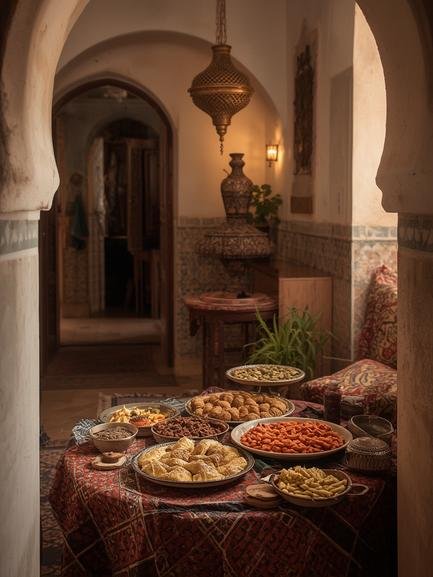
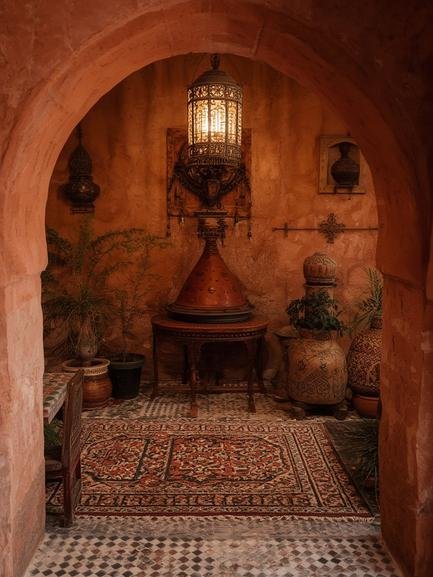
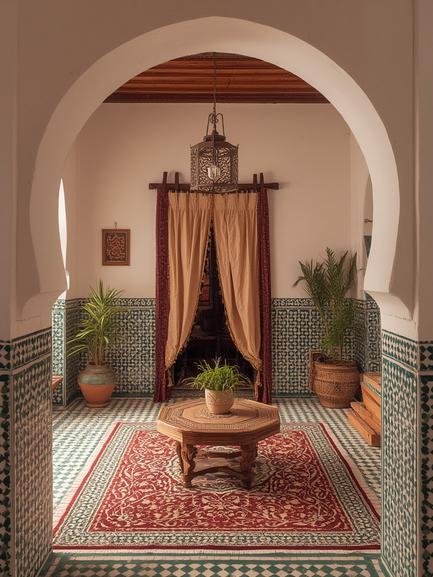
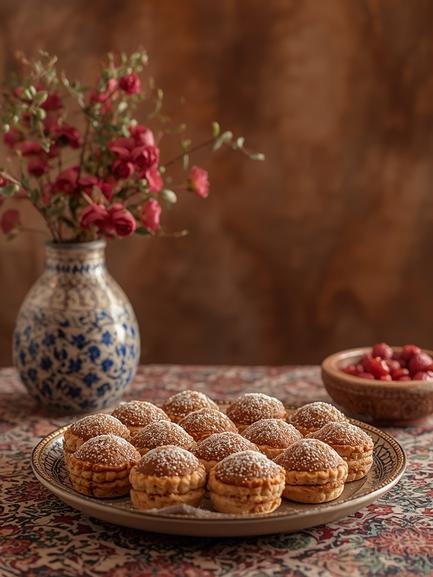
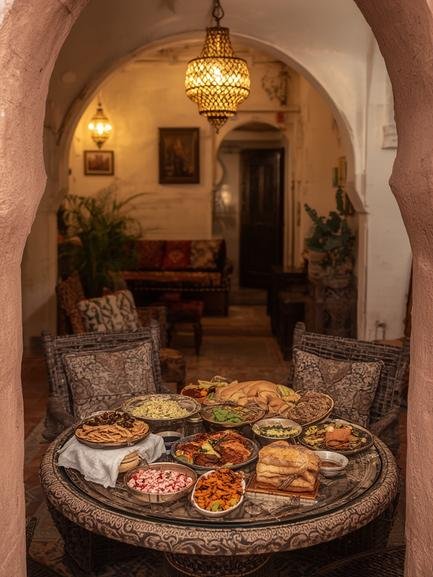
Moroccan cuisine is a fusion of African, Arab, and Mediterranean flavors, creating a unique and exciting culinary experience. From the slow-cooked tagines to the fluffy couscous and sweet pastries, Moroccan dishes are not only delicious but also visually stunning. As you explore the world of Moroccan cooking, you’ll discover the importance of presentation and the role that food photography plays in showcasing these beautiful dishes. With Moroccan food photography, you can capture the essence of Moroccan cuisine and share it with others, much like the experience of taking photos of food in Morocco, where the vibrant colors and lively atmosphere provide endless inspiration.
2. Key Ingredients & Kitchen Basics
To start cooking Moroccan dishes, you’ll need to familiarize yourself with some essential ingredients and kitchen tools. Some of the key ingredients include:
- Spices: cumin, coriander, cinnamon, ginger, and turmeric
- Olive oil
- Preserved lemons
- Couscous
- Fresh herbs: parsley, cilantro, and mint
In terms of kitchen tools, you’ll need:
- A tagine pot or a heavy pan with a lid
- A tea pot
- A couscous steamer
When shopping for ingredients outside of Morocco, you can find most of these items at Middle Eastern or international grocery stores. You can also substitute some ingredients with similar alternatives. For example, you can use preserved lemon juice or vinegar as a substitute for preserved lemons.
3. Moroccan Food Overview & Trends
Moroccan cuisine is diverse and varied, with different regions having their own specialties. Some of the main families of Moroccan dishes include:
- Tagines: slow-cooked stews made with meat, vegetables, and dried fruits
- Couscous: a traditional North African dish made from semolina flour
- Street food: popular dishes like msemen (square-shaped pancakes) and makroud (date-filled pastries)
- Pastries: sweet treats like baklava and ghriba (shortbread-like cookies)
- Salads: fresh and flavorful salads like zaalouk (eggplant salad) and tabbouleh
Moroccan cuisine is gaining popularity worldwide, with many chefs and food bloggers putting their own twists on traditional recipes. Some current trends include healthy twists, vegan options, and fusion takes on classic Moroccan dishes.
4. Step-by-Step Cooking / Recipe Guide

Let’s take a closer look at a classic Moroccan recipe: chicken tagine with preserved lemons and olives. Here’s a step-by-step guide to preparing this dish:
1. Preparation time: 30 minutes
2. Cooking time: 45 minutes
3. Ingredients:
* 1 lb boneless, skinless chicken thighs
* 2 preserved lemons, chopped
* 1/4 cup pitted green olives
* 2 tbsp olive oil
* 1 tsp ground cumin
* 1 tsp ground coriander
* 1 tsp paprika
* Salt and pepper to taste
* 2 cloves garlic, minced
* 1 cup chicken broth
4. Step-by-step cooking:
1. Heat the olive oil in a tagine pot or heavy pan over medium heat.
2. Add the chopped onion and cook until softened, about 5 minutes.
3. Add the chicken and cook until browned on all sides, about 5-7 minutes.
4. Add the cumin, coriander, paprika, salt, and pepper, and stir to combine.
5. Add the preserved lemons, olives, garlic, and chicken broth, and bring to a simmer.
6. Cover the pot and cook for 30-40 minutes, or until the chicken is cooked through.
5. Plating and serving suggestions:
* Serve the tagine over couscous or rice.
* Garnish with fresh parsley or cilantro.
* Pair with a side of bread or salad.
As you prepare and present your Moroccan dishes, consider capturing the moment with Moroccan food photography, and think about the tips you’ve learned from taking photos of food in Morocco to make your photos truly special.
5. Serving, Pairing & Moroccan Dining Culture
In Morocco, mealtimes are a time for socializing and sharing food with others. Traditional Moroccan meals are often served family-style, with multiple dishes placed in the center of the table. When serving Moroccan dishes, consider the following:
- Use a variety of colors and textures to add visual interest to the table.
- Serve bread on the side, as it’s a staple in Moroccan cuisine.
- Pair your dishes with refreshing drinks like mint tea or lemon juice.
- For dessert, consider serving traditional Moroccan pastries like baklava or ghriba.
6. Health, Nutrition & Dietary Adaptations
Moroccan cuisine is known for its emphasis on fresh ingredients, herbs, and spices, making it a relatively healthy option. However, some dishes can be high in sugar, salt, or fat. To adapt Moroccan recipes to different diets, consider the following:
- Vegetarian and vegan options: substitute meat with plant-based protein sources like chickpeas or tofu.
- Gluten-free options: use gluten-free couscous or substitute with cauliflower rice.
- Low-salt options: reduce the amount of salt used in recipes or use salt-free spice blends.
7. Common Mistakes & How to Avoid Them
When cooking Moroccan cuisine, it’s easy to make mistakes that can affect the flavor and texture of your dishes. Here are some common mistakes to avoid:
- Overcooking: Moroccan dishes like tagines and couscous can become mushy if overcooked. Keep an eye on cooking times and temperatures.
- Wrong spice balance: Moroccan cuisine relies heavily on spices, but using too much or too little can throw off the flavor. Start with small amounts and adjust to taste.
- Using too much liquid: Moroccan stews and tagines can become too watery if too much liquid is added. Use the right amount of liquid and adjust as needed.
8. Future of Moroccan Cuisine Worldwide
Moroccan cuisine is gaining popularity worldwide, with many chefs and food bloggers putting their own twists on traditional recipes. Some popular Moroccan dishes abroad include tagines, couscous, and pastries. As the popularity of Moroccan cuisine continues to grow, we can expect to see more fusion takes on classic recipes and innovative uses of Moroccan ingredients.
9. Conclusion
In conclusion, Moroccan cuisine offers a rich and exciting culinary experience, with its bold flavors, vibrant colors, and diverse dishes. Whether you’re a seasoned cook or just starting out, there’s always something new to discover in the world of Moroccan cooking. With Moroccan food photography, you can capture the beauty of Moroccan dishes and share it with others, and by applying the tips you’ve learned from taking photos of food in Morocco, you can take your food photography to the next level.
10. FAQs
1. Q: How hard are Moroccan recipes for beginners?
A: Moroccan recipes can be relatively easy to make, but some dishes require patience and practice. Start with simple recipes like salads or pastries and work your way up to more complex dishes.
2. Q: How do I store leftovers?
A: Store leftovers in airtight containers in the fridge for up to 3 days. Reheat gently before serving.
3. Q: What are the essential spices to buy first?
A: Start with cumin, coriander, cinnamon, ginger, and turmeric. These spices are staples in Moroccan cuisine and can be used in a variety of dishes.
4. Q: What are some vegetarian options in Moroccan cuisine?
A: Vegetarian options include zaalouk (eggplant salad), tabbouleh, and vegetable tagines.
5. Q: What are the best dishes to cook for guests?
A: Popular dishes like chicken tagine, couscous with vegetables, and pastries are great options for guests. They’re flavorful, visually appealing, and can be made in large quantities.