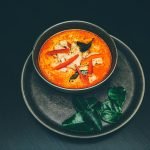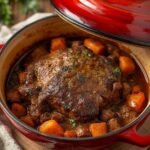

Moroccan cuisine is a rich tapestry of flavors and traditions that have captivated the senses of food lovers worldwide. Dining at a Moroccan rooftop restaurants offers not only a culinary experience but also a visual feast, with the stunning architecture and vibrant atmosphere of cities like Marrakech. Experiencing a rooftop dinner Marrakech is a must for anyone visiting the city, as it combines exquisite Moroccan dishes with breathtaking views.
Thank you for reading this post, don't forget to subscribe!As we explore Moroccan cuisine, we’ll dive into its key ingredients, cooking techniques, and the trends that are shaping its global presence.
2. Key Ingredients & Kitchen Basics
To start cooking Moroccan dishes, it’s essential to familiarize yourself with the core ingredients and kitchen tools. Moroccan cuisine relies heavily on spices like cumin, coriander, ginger, and cinnamon, as well as ingredients like olive oil, preserved lemons, and couscous. Essential kitchen tools include a tagine pot, a heavy pan for slow cooking, and a tea pot for brewing traditional Moroccan mint tea. For international readers, finding substitutes for some ingredients can be challenging, but many can be sourced from specialty stores or online.
3. Moroccan Food Overview & Trends
Moroccan cuisine is diverse, encompassing a wide range of dishes such as tagines, couscous, street food, pastries, and salads. The cuisine has gained global recognition for its rich flavors and health benefits. Current trends include adapting Moroccan recipes to suit healthier diets, such as vegan and gluten-free options, and fusion cuisine that blends Moroccan flavors with international twists. 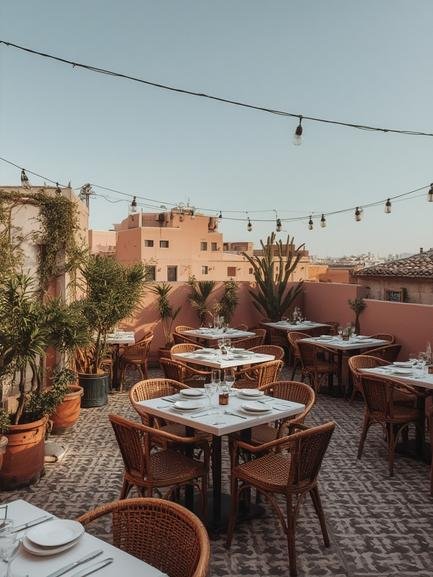
4. Step-by-Step Cooking / Recipe Guide
To experience the essence of Moroccan cuisine at home, let’s cook a classic Chicken Tagine with Preserved Lemons and Olives. This dish is a staple in many Moroccan rooftop restaurants and is surprisingly easy to prepare. For a memorable dinner, reminiscent of a rooftop dinner Marrakech, follow these steps:
1. Prepare the ingredients: Marinate chicken pieces in a mix of olive oil, cumin, coriander, ginger, and cinnamon.
2. Cook the tagine: Slow-cook the marinated chicken in a tagine pot with sliced onions, preserved lemons, and green olives.
3. Serve: Garnish with fresh parsley and serve over couscous.

5. Serving, Pairing & Moroccan Dining Culture
Moroccan meals are traditionally served family-style, with dishes placed in the center of the table for everyone to share. Bread is a staple, used instead of cutlery to scoop up food. Moroccan mint tea is an integral part of the dining culture, served before, during, and after meals. When hosting international guests, consider pairing Moroccan dishes with complementary side dishes and drinks, such as salads and refreshing beverages.
6. Health, Nutrition & Dietary Adaptations
Moroccan cuisine is known for its health benefits, thanks to the use of fresh ingredients, herbs, and spices. Adapting Moroccan recipes to suit different diets is relatively straightforward. For vegetarian or vegan options, substitute meat with plant-based ingredients like chickpeas or tofu. For gluten-free diets, use gluten-free couscous or alternatives like quinoa.
7. Common Mistakes & How to Avoid Them
Common mistakes when cooking Moroccan food include overcooking, imbalanced spice use, excessive liquid, and skipping marination. To avoid these pitfalls, ensure that you follow recipes closely, use fresh ingredients, and adjust spice levels to taste. Marinating ingredients before cooking can significantly enhance the flavor of your dishes.
8. Future of Moroccan Cuisine Worldwide
Moroccan cuisine is gaining popularity globally, with popular dishes being featured in restaurants and cooking classes around the world. The rise of social media has also played a significant role in promoting Moroccan food, with food bloggers and influencers sharing their experiences. As international interest in Moroccan cuisine continues to grow, we can expect to see more innovative twists on traditional recipes.
9. Conclusion
In conclusion, Moroccan cuisine offers a rich and diverse culinary experience that can be enjoyed both in Moroccan rooftop restaurants and at home. By understanding the key ingredients, cooking techniques, and cultural practices behind Moroccan food, anyone can recreate the magic of a rooftop dinner Marrakech in their own kitchen. We encourage you to explore Moroccan recipes, experiment with new spices, and share your culinary creations with others.
10. FAQs
1. How difficult are Moroccan recipes for beginners?
Moroccan recipes can vary in complexity, but many are beginner-friendly. Start with simple dishes like salads or grilled meats.
2. How do I store leftovers of Moroccan dishes?
Most Moroccan dishes can be refrigerated for up to 3 days. Reheat gently to preserve flavors.
3. What are the essential spices to buy first for Moroccan cooking?
Start with cumin, coriander, ginger, and cinnamon. These spices form the basis of many Moroccan dishes.
4. Are there many vegetarian options in Moroccan cuisine?
Yes, Moroccan cuisine offers a variety of vegetarian options, including salads, tagines, and couscous dishes.
5. What are the best Moroccan dishes to cook for guests?
Chicken Tagine and Couscous with vegetables are popular choices. They’re flavorful and can be adapted to suit various tastes.