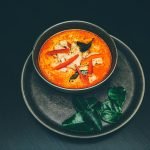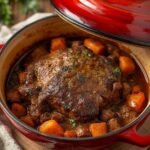

Moroccan cuisine has taken the world by storm, and for good reason. The blend of Mediterranean, Arab, and Berber flavors creates a rich and diverse culinary experience that’s hard to resist. As you explore the charming town of Chefchaouen, you’re not just surrounded by breathtaking blue architecture; you’re also treated to some of the most delicious Moroccan food in Chefchaouen.
Thank you for reading this post, don't forget to subscribe!From the aromatic tagines to the fluffy couscous, every dish is a reflection of the country’s history and culture. To truly experience the best of Moroccan cuisine, be sure to visit some of the best restaurants Chefchaouen has to offer.
2. Key Ingredients & Kitchen Basics
To start cooking Moroccan dishes at home, you’ll need to familiarize yourself with some essential ingredients and kitchen tools. Here are a few must-haves:
- Spices: cumin, coriander, cinnamon, ginger, and turmeric are staples in Moroccan cuisine.
- Olive oil: a high-quality olive oil is used for cooking and dressing dishes.
- Preserved lemons: these add a salty, tangy flavor to many Moroccan dishes.
- Couscous: a traditional North African pasta made from semolina flour.
- Tagine pot: a clay pot with a conical lid, used for slow-cooking stews and braises.
- Heavy pan: a large, heavy pan is perfect for cooking couscous and making sauces.
When shopping for these ingredients outside of Morocco, you can try visiting Middle Eastern or North African grocery stores, or shopping online. You can also find substitutes for some ingredients, such as using lemon juice instead of preserved lemons.
3. Moroccan Food Overview & Trends
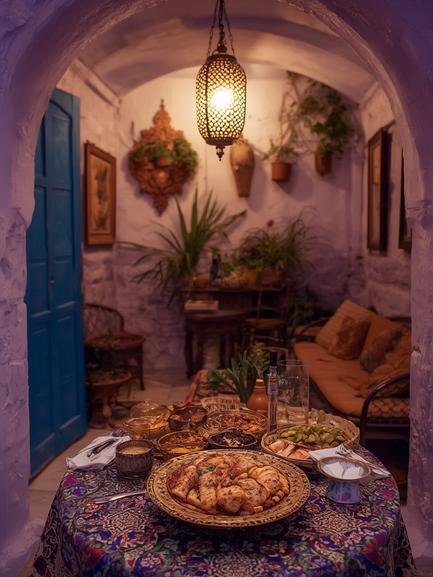
Moroccan cuisine is known for its rich flavors, aromas, and textures. The main families of Moroccan dishes include:
- Tagines: slow-cooked stews made with meat, vegetables, and dried fruits.
- Couscous: a traditional North African pasta dish often served with vegetables and meat.
- Street food: popular dishes like msemen (a thin, folded pancake) and maakouda (potato fritters).
- Pastries: sweet treats like baklava and ghriba (a shortbread-like cookie).
- Salads: refreshing salads made with tomatoes, cucumbers, and herbs.
In recent years, Moroccan cuisine has gained popularity worldwide, with trends like healthy twists, vegan options, and fusion takes on classic recipes.
4. Step-by-Step Cooking / Recipe Guide
Let’s cook a classic Moroccan dish: chicken tagine with preserved lemons and olives. This recipe is a staple in many Moroccan food in Chefchaouen restaurants and can be found on menus in some of the best restaurants Chefchaouen.
Ingredients:
- 1 whole chicken, cut into 8 pieces
- 2 preserved lemons, chopped
- 1/4 cup green olives, pitted
- 2 tablespoons olive oil
- 1 onion, chopped
- 2 cloves garlic, minced
- 1 teaspoon ground ginger
- 1 teaspoon ground cumin
- 1/2 teaspoon ground cinnamon
- 1/2 teaspoon ground turmeric
- Salt and pepper to taste
- 2 tablespoons chopped fresh parsley
- 2 tablespoons chopped fresh cilantro
Instructions:
1. Heat the olive oil in a tagine pot or heavy pan over medium heat.
2. Add the chopped onion and cook until softened, about 5 minutes.
3. Add the garlic, ginger, cumin, cinnamon, and turmeric. Cook for 1 minute, stirring constantly.
4. Add the chicken pieces and cook until browned on all sides, about 5-7 minutes.
5. Add the chopped preserved lemons, green olives, salt, and pepper. Stir to combine.
6. Cover the tagine pot or heavy pan and simmer for 30-40 minutes, or until the chicken is cooked through.
7. Garnish with chopped parsley and cilantro. Serve over couscous.
5. Serving, Pairing & Moroccan Dining Culture
In Morocco, mealtimes are often seen as opportunities to bring people together. Dishes are typically served family-style, with everyone gathering around the table to share food and conversation. When serving Moroccan dishes, consider the following:
- Use a variety of dishes and garnishes to add color and texture to the table.
- Serve bread on the side, as it’s a staple in Moroccan cuisine.
- Pair your meal with a refreshing drink, such as mint tea or a glass of water with a slice of lemon.
- For dessert, try serving traditional Moroccan pastries, such as baklava or ghriba.
6. Health, Nutrition & Dietary Adaptations
Moroccan cuisine is known for its rich flavors and aromas, but it’s also relatively healthy. Many traditional dishes are made with vegetables, fruits, and whole grains. To adapt Moroccan recipes to suit different diets, try the following:
- Vegetarian and vegan options: substitute meat with plant-based protein sources, such as tofu or chickpeas.
- Gluten-free: use gluten-free flours and grains, such as rice or quinoa.
- Low-salt: reduce the amount of salt used in recipes, and try using herbs and spices to add flavor instead.
7. Common Mistakes & How to Avoid Them
When cooking Moroccan food, there are a few common mistakes to watch out for:
- Overcooking: Moroccan dishes are often slow-cooked, but be careful not to overcook the ingredients.
- Wrong spice balance: Moroccan cuisine is known for its complex spice blends. Be sure to balance your spices to avoid overpowering the dish.
- Using too much liquid: Moroccan stews and braises are often cooked with a small amount of liquid. Be careful not to add too much, or the dish may become too watery.
- Skipping marination: marinating ingredients can add depth and complexity to Moroccan dishes. Don’t skip this step!
8. Future of Moroccan Cuisine Worldwide
Moroccan cuisine is spreading globally, with popular dishes and ingredients being adopted by chefs and home cooks around the world. Some trends to watch in the coming years include:
- Street food tours: as Moroccan cuisine gains popularity, street food tours are becoming increasingly popular.
- Cooking classes: cooking classes are a great way to learn about Moroccan cuisine and cooking techniques.
- Social media trends: social media is playing a big role in the spread of Moroccan cuisine, with influencers and bloggers sharing their favorite recipes and cooking techniques.
9. Conclusion
In conclusion, Moroccan food in Chefchaouen is a reflection of the country’s rich history and culture. By exploring the flavors and ingredients of Moroccan cuisine, you can gain a deeper understanding of this fascinating culture. Be sure to visit some of the best restaurants Chefchaouen to experience the best of Moroccan cuisine.
10. FAQs
1. How hard are Moroccan recipes for beginners? Moroccan recipes can be intimidating, but many are relatively simple to make. Start with simple dishes like salads or tagines, and gradually work your way up to more complex recipes.
2. How do I store leftovers? Leftover Moroccan dishes can be stored in the fridge for several days. Reheat them gently before serving.
3. What are the essential spices to buy first? Start with basic spices like cumin, coriander, cinnamon, and ginger. These are staples in Moroccan cuisine and can be used in a variety of dishes.
4. Are there vegetarian options in Moroccan cuisine? Yes, there are many delicious vegetarian options in Moroccan cuisine, such as vegetable tagines and salads.
5. What are the best dishes to cook for guests? Consider cooking classic dishes like chicken tagine or couscous with vegetables. These are sure to impress your guests and provide a delicious and memorable meal.