
Discover the rich flavors and aromas of Moroccan food in Fes, a culinary gem that has captivated food lovers worldwide. As you explore the vibrant streets of Fes, you’ll uncover the secrets behind the best food Fes medina has to offer.
Thank you for reading this post, don't forget to subscribe!1. Introduction
Moroccan cuisine is a fascinating blend of Mediterranean, Arab, and Berber influences, with Moroccan food in Fes being one of its most authentic representations. As you wander through the ancient medina, the aromas of slow-cooked tagines and freshly baked bread waft through the air, tantalizing your taste buds. The best food Fes medina offers is a culinary journey that will leave you wanting more. In this article, we’ll guide you through the essential ingredients, cooking techniques, and cultural nuances that make Moroccan cuisine so unique.
2. Key Ingredients & Kitchen Basics
To start cooking Moroccan dishes, you’ll need to familiarize yourself with the essential ingredients and kitchen tools. Some of the must-haves include:
- Spices: cumin, coriander, cinnamon, ginger, and turmeric
- Olive oil and argan oil
- Preserved lemons and olives
- Couscous and other grains
- Tagine pot, heavy pan, and tea pot
When shopping for these ingredients outside of Morocco, you can try Middle Eastern or international grocery stores. If you’re having trouble finding specific spices, you can also substitute with similar alternatives.
3. Moroccan Food Overview & Trends
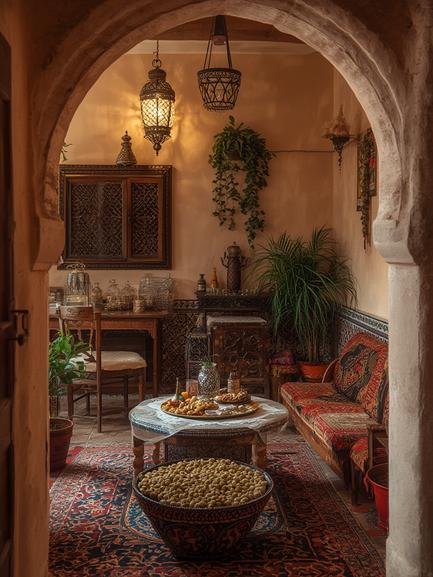 Moroccan cuisine is characterized by its rich diversity, with popular dishes falling into categories such as tagines, couscous, street food, pastries, and salads. Globally, Moroccan food is perceived as exotic and flavorful, with a growing interest in healthy and vegan options. Current trends include fusion takes on classic recipes and innovative uses of traditional Moroccan ingredients.
4. Step-by-Step Cooking / Recipe Guide
 Let’s cook a classic Moroccan dish: Chicken Tagine with Preserved Lemons and Olives. This recipe is a staple of Moroccan food in Fes and showcases the flavors and techniques that make it so beloved.
Ingredients:
- 1 lb chicken thighs
- 2 preserved lemons, chopped
- 1/4 cup pitted green olives
- 2 tbsp olive oil
- 1 tsp ground ginger
- 1 tsp ground cumin
- Salt and pepper to taste
Instructions:
1. Heat the olive oil in a tagine pot or heavy pan over medium heat.
2. Add the chopped onion and cook until softened.
3. Add the chicken, ginger, cumin, salt, and pepper. Cook for 5 minutes.
4. Add the chopped preserved lemons and olives. Stir well.
5. Cover the tagine and simmer for 30 minutes or until the chicken is cooked through.
6. Serve with couscous and enjoy!
As you savor this dish, you’ll understand why it’s a favorite among locals and visitors alike, and a great representation of the best food Fes medina has to offer.
5. Serving, Pairing & Moroccan Dining Culture
In Morocco, meals are often served family-style, with multiple dishes placed in the center of the table. Bread is a staple, used to scoop up flavorful sauces and tagines. When serving international guests, consider pairing your Moroccan dishes with refreshing drinks like mint tea or lemon juice. For dessert, traditional options like baklava or ghriba are sure to impress.
6. Health, Nutrition & Dietary Adaptations
Moroccan cuisine is known for its rich flavors and aromas, but it’s also relatively healthy, with a focus on vegetables, whole grains, and lean proteins. To adapt Moroccan recipes to different diets, consider the following:
- Vegetarian and vegan options: substitute chicken or beef with tofu or tempeh, and use vegetable broth instead of meat broth.
- Gluten-free: use gluten-free couscous or substitute with quinoa or rice.
- Low-salt: reduce or omit added salt, and use herbs and spices to enhance flavor.
7. Common Mistakes & How to Avoid Them
When cooking Moroccan food, common mistakes include overcooking, using too much liquid, and skipping marination. To avoid these pitfalls:
- Use a thermometer to ensure the correct temperature.
- Monitor the liquid levels and adjust as needed.
- Marinate your ingredients to enhance flavor and tenderize the meat.
8. Future of Moroccan Cuisine Worldwide
As Moroccan cuisine continues to gain popularity worldwide, we can expect to see more fusion takes on classic recipes, innovative uses of traditional ingredients, and a growing interest in street food and cooking classes. Keep an eye on social media trends and food blogs to stay up-to-date on the latest developments.
9. Conclusion
In conclusion, Moroccan food in Fes is a culinary treasure that offers a wealth of flavors, aromas, and cultural experiences. By mastering the essential ingredients, cooking techniques, and cultural nuances, you can bring a taste of Morocco into your own kitchen. Don’t be afraid to experiment with new recipes and ingredients, and be sure to explore the best food Fes medina has to offer.
10. FAQs
1. Q: Are Moroccan recipes difficult to make for beginners?
A: Not necessarily! Many Moroccan dishes are relatively simple to prepare, and with practice, you’ll become more comfortable with the ingredients and techniques.
2. Q: How do I store leftover Moroccan dishes?
A: Most Moroccan dishes can be refrigerated or frozen for later use. Simply reheat and serve.
3. Q: What are the essential spices to buy first?
A: Start with cumin, coriander, cinnamon, ginger, and turmeric. These spices form the foundation of many Moroccan dishes.
4. Q: Can I make Moroccan dishes vegetarian or vegan?
A: Absolutely! Many Moroccan dishes are naturally vegetarian or can be easily adapted to vegan diets.
5. Q: What are the best Moroccan dishes to cook for guests?
A: Consider making a classic tagine, couscous with vegetables, or a flavorful salad like zaalouk. These dishes are sure to impress!