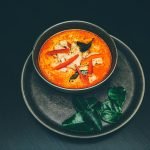

Discover the rich flavors of Morocco with Moroccan bissara, a comforting fava bean soup that embodies the country’s culinary traditions. As we explore the world of Moroccan cuisine, we’ll dive into the ingredients, cooking techniques, and cultural context that make this dish a staple.
Thank you for reading this post, don't forget to subscribe!Let’s start our journey with a closer look at fava bean soup Morocco and its significance in Moroccan cooking.
1. Introduction
Moroccan cuisine is a vibrant blend of flavors, aromas, and traditions, offering a unique culinary experience for food enthusiasts worldwide. One of the most comforting and traditional Moroccan dishes is Moroccan bissara, a hearty fava bean soup that’s both nourishing and flavorful. As we explore the richness of Moroccan food, we’ll also touch on the popularity of fava bean soup Morocco and its role in Moroccan meals.
2. Key Ingredients & Kitchen Basics
To cook authentic Moroccan dishes like bissara, it’s essential to have the right ingredients and kitchen tools. Some key ingredients include:
– Spices: cumin, coriander, paprika, and turmeric
– Olive oil
– Preserved lemons
– Fresh herbs: parsley, cilantro, and mint
– Grains: couscous and bread
– Legumes: fava beans, chickpeas, and lentils
Basic kitchen tools for Moroccan cooking include:
– Tagine pot
– Heavy pan or Dutch oven
– Tea pot
– Mortar and pestle
For international readers, many of these ingredients can be found in specialty stores or online. Substitutes can often be used when exact ingredients are not available.
3. Moroccan Food Overview & Trends
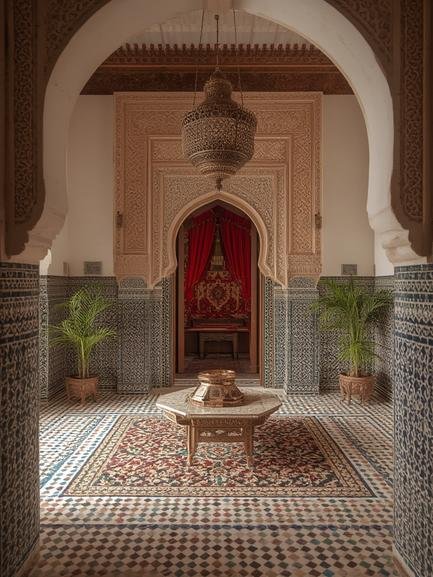
Moroccan cuisine is characterized by its diverse families of dishes, including tagines, couscous, street food, pastries, and salads. Globally, Moroccan food is appreciated for its rich flavors, aromas, and healthy ingredients. Current trends in Moroccan cuisine include healthy twists on traditional recipes, vegan options, and fusion takes on classic dishes.
4. 4. Step-by-Step Cooking / Recipe Guide for Moroccan Bissara
To prepare Moroccan bissara, follow these steps:
1. Soak 1 cup of dried fava beans overnight, then drain and rinse them.
2. In a large pot, sauté 1 onion and 2 cloves of garlic until softened.
3. Add the fava beans, 4 cups of vegetable broth, 1 teaspoon of cumin, and 1 teaspoon of paprika. Bring to a boil, then simmer for 45 minutes or until the beans are tender.
4. Blend the soup until smooth, then season with salt, pepper, and a squeeze of lemon juice.
5. Serve Moroccan bissara hot, garnished with olive oil, chopped parsley, and a sprinkle of cumin. For variations, consider adding some spices or herbs commonly used in fava bean soup Morocco recipes.
5. Serving, Pairing & Moroccan Dining Culture
In Morocco, meals are often served family-style, with multiple dishes shared among guests. Bread is a staple, used instead of cutlery to scoop up food. Traditional drinks like mint tea and pairings such as salads and pastries complement the meal. For international guests, consider serving Moroccan dishes with a variety of side dishes and drinks to create a welcoming atmosphere.
6. Health, Nutrition & Dietary Adaptations
Moroccan cuisine is known for its healthy ingredients and balanced flavors. Many traditional dishes are vegetarian or vegan-friendly, and can be adapted to suit various dietary needs. To make Moroccan recipes gluten-free, substitute couscous with gluten-free alternatives or use gluten-free flours for pastries. For low-salt diets, reduce or omit added salt and emphasize herbs and spices for flavor.
7. Common Mistakes & How to Avoid Them
When cooking Moroccan food, common mistakes include overcooking, using too much liquid, and skipping marination. To avoid these issues, monitor cooking times closely, adjust liquid levels as needed, and allow sufficient time for marination to enhance flavors.
8. Future of Moroccan Cuisine Worldwide
As Moroccan cuisine continues to gain popularity globally, we can expect to see more street food tours, cooking classes, and social media trends featuring Moroccan dishes. Home cooks and bloggers can stay ahead by exploring new recipes, experimenting with spices, and sharing their experiences with the culinary community.
9. Conclusion
In conclusion, Moroccan bissara is a delicious and nourishing dish that showcases the richness of Moroccan cuisine. As you explore the world of Moroccan cooking, don’t forget to try other traditional recipes like fava bean soup Morocco and experiment with new flavors and ingredients.
10. FAQs
1. Is Moroccan cuisine difficult to cook for beginners?
Moroccan cuisine can be straightforward to prepare, with many simple and flavorful recipes. Start with basic dishes like bissara or salads to build confidence.
2. How do I store leftover Moroccan dishes?
Most Moroccan dishes can be refrigerated or frozen for later use. Reheat gently to preserve flavors and textures.
3. What are the essential spices to buy for Moroccan cooking?
Start with cumin, coriander, paprika, turmeric, and cinnamon. These spices form the foundation of many Moroccan recipes.
4. Are there many vegetarian options in Moroccan cuisine?
Yes, Moroccan cuisine offers a wide range of vegetarian and vegan-friendly dishes, including tagines, salads, and soups like bissara.
5. What are some popular Moroccan dishes to serve to guests?
Consider serving a variety of dishes, such as couscous with vegetables, tagines, and pastries. Bissara is also a great option for a comforting and flavorful soup.