
Discover the flavors of Morocco with our guide to Moroccan sardines, a staple in Moroccan cuisine that’s both delicious and nutritious. In this article, we’ll dive into the world of Moroccan cooking, exploring essential ingredients, cooking techniques, and recipe ideas that will make you fall in love with this vibrant culture.
Thank you for reading this post, don't forget to subscribe!1. Introduction
Moroccan cuisine is a fascinating blend of African, Arab, and Mediterranean flavors, offering a culinary journey that’s as exciting as it is delicious. One of the most popular and iconic street foods in Morocco is Moroccan sardines, often grilled to perfection and served with a squeeze of lemon and a sprinkle of spices. Meanwhile, grilled sardines Morocco are a favorite among locals and tourists alike, enjoyed at beachside restaurants and food stalls.
2. Key Ingredients & Kitchen Basics
Before diving into Moroccan cooking, it’s essential to understand the key ingredients and kitchen tools that make this cuisine so unique. Some of the staple ingredients include:
- Olive oil
- Preserved lemons
- Couscous
- Ras el hanout (a blend of spices)
- Fresh herbs like parsley and cilantro
- Spices like cumin, coriander, and paprika
Basic kitchen tools include a tagine pot, a heavy pan, and a tea pot. Don’t worry if you can’t find these ingredients or tools in your local stores – many can be substituted or sourced online.
3. Moroccan Food Overview & Trends
Moroccan cuisine is diverse and rich, with several main families of dishes:
- Tagines (slow-cooked stews)
- Couscous (a traditional North African pasta dish)
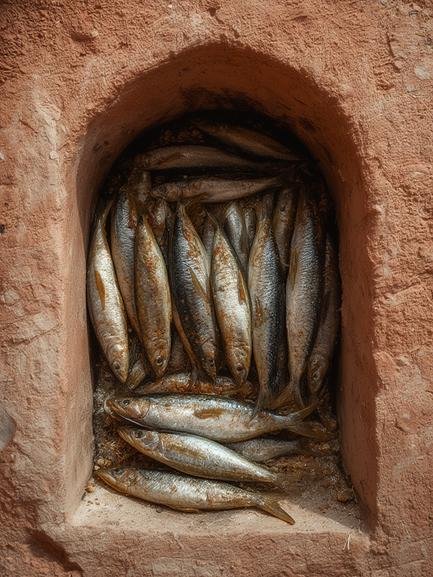
- Street food (like Moroccan sardines and grilled meats)
- Pastries (like baklava and msemen)
- Salads (like zaalouk and chakchouka)
Globally, Moroccan food is gaining popularity due to its rich flavors, healthy twists, and vegan options. Trends include fusion takes on classic recipes and innovative uses of traditional ingredients.
4. Step-by-Step Cooking / Recipe Guide

Let’s cook some delicious Moroccan sardines! Here’s a simple recipe to get you started:
Ingredients:
- 1 can of sardines in water
- 2 cloves of garlic, minced
- 1 tablespoon of olive oil
- 1 tablespoon of freshly squeezed lemon juice
- 1 teaspoon of ground cumin
- Salt and pepper to taste
- Fresh parsley, chopped (optional)
Instructions:
1. Preheat your oven to 375°F (190°C).
2. Mix the garlic, olive oil, lemon juice, cumin, salt, and pepper in a bowl.
3. Add the sardines to the bowl and toss to coat with the marinade.
4. Transfer the sardines to a baking dish and bake for 10-12 minutes.
5. Garnish with chopped parsley and serve hot.
You can also try making grilled sardines Morocco by grilling the sardines over medium heat for 2-3 minutes per side, until they’re cooked through and slightly charred.
5. Serving, Pairing & Moroccan Dining Culture
In Morocco, meals are often served family-style, with multiple dishes shared among diners. Bread is a staple, used to scoop up food instead of cutlery. Traditional drinks like mint tea and fresh juices are popular pairings. For dessert, try serving sweet pastries like baklava or msemen.
6. Health, Nutrition & Dietary Adaptations
Moroccan cuisine is known for its healthy ingredients and balanced flavors. Many dishes are vegetarian or vegan-friendly, and can be adapted to suit various dietary needs. For example, you can substitute gluten-free flours for traditional couscous or use vegan-friendly alternatives to preserved lemons.
7. Common Mistakes & How to Avoid Them
Common mistakes when cooking Moroccan food include overcooking, using too much liquid, and skipping marination. To avoid these mistakes, make sure to follow recipe instructions carefully, and don’t be afraid to experiment and adjust seasoning to taste.
8. Future of Moroccan Cuisine Worldwide
Moroccan cuisine is gaining popularity globally, with popular dishes like tagines and couscous becoming staples in international restaurants. Street food tours and cooking classes are also on the rise, allowing food lovers to immerse themselves in the sights, smells, and tastes of Morocco.
9. Conclusion
In conclusion, Moroccan cuisine offers a rich and exciting culinary journey, with dishes like Moroccan sardines and grilled sardines Morocco showcasing the country’s love of fresh seafood and bold flavors. We hope this guide has inspired you to try new recipes, experiment with spices, and explore the world of Moroccan cooking.
10. FAQs
1. Q: Are Moroccan recipes hard to make for beginners?
A: Not at all! Many Moroccan recipes are simple and straightforward, using accessible ingredients and techniques.
2. Q: How do I store leftovers of Moroccan dishes?
A: Most Moroccan dishes can be stored in airtight containers in the fridge for up to 3 days. Reheat gently before serving.
3. Q: What are the essential spices to buy first for Moroccan cooking?
A: Start with staples like cumin, coriander, paprika, and ras el hanout. You can always add more spices to your collection as you experiment with new recipes.
4. Q: Are there vegetarian options in Moroccan cuisine?
A: Yes, many Moroccan dishes are vegetarian or vegan-friendly, such as zaalouk, chakchouka, and vegetable tagines.
5. Q: What are the best Moroccan dishes to cook for guests?
A: Try making classic dishes like chicken tagine, couscous with vegetables, or Moroccan sardines for a delicious and memorable meal.