

Moroccan Kefta Tagine 7 Essential Steps for an Authentic Recipe
Discover the flavors of Morocco with Moroccan kefta tagine, a dish that embodies the country’s rich culinary heritage. Moroccan cuisine is known for its rich flavors, aromas, and diverse influences, making it an exciting world to explore for home cooks and food enthusiasts alike. As you dive into the world of Moroccan cooking, you’ll find that dishes like meatball tagine recipe offer a delicious blend of tradition and innovation.
Thank you for reading this post, don't forget to subscribe!1. Introduction
Moroccan cuisine is a fascinating blend of Arabic, Mediterranean, and African flavors, with Moroccan kefta tagine being one of its standout dishes. This hearty, flavorful stew is not only a staple in Moroccan households but has also gained popularity worldwide for its rich taste and cultural significance. As you explore Moroccan recipes, you’ll also come across variations like the meatball tagine recipe, which shares similarities with kefta tagine but may offer its own unique twist.
2. Key Ingredients & Kitchen Basics
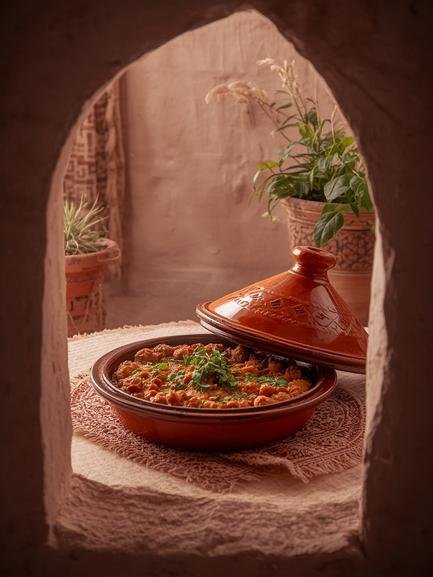
To cook authentic Moroccan dishes, you’ll need to familiarize yourself with key ingredients and kitchen tools. Essential spices include cumin, coriander, ginger, and cinnamon, which form the backbone of many Moroccan recipes. Other crucial ingredients are olive oil, preserved lemons, and fresh herbs like parsley and cilantro. When it comes to kitchen tools, a traditional tagine pot is ideal for slow-cooking dishes like Moroccan kefta tagine, but a heavy pan or Dutch oven can serve as a suitable substitute.
3. Moroccan Food Overview & Trends
Moroccan cuisine is diverse and rich, encompassing various categories such as tagines, couscous dishes, street food, pastries, and salads. Globally, Moroccan food is appreciated for its aromatic flavors and hearty portions. Current trends include healthy twists on traditional recipes, vegan options, and fusion takes that blend Moroccan flavors with international cuisines.
4. Step-by-Step Cooking / Recipe Guide
 To prepare an authentic Moroccan kefta tagine, follow these steps:
1. Prepare the kefta: Mix minced meat with spices, herbs, and onions, then shape into small balls or cylinders.
2. Sauté onions and spices: Cook onions and a blend of spices in olive oil until fragrant.
3. Add the kefta: Gently add the kefta to the pan and brown them on all sides.
4. Add tomatoes and liquid: Incorporate crushed tomatoes and a bit of water or broth, bringing the mixture to a simmer.
5. Transfer to a tagine or heavy pot: If using a traditional tagine pot, transfer the mixture; otherwise, continue in your heavy pan.
6. Slow-cook: Allow the tagine to simmer gently until the kefta are cooked through and the sauce has thickened.
7. Season and serve: Adjust seasoning as needed and garnish with fresh herbs.
For those looking for a variation, a meatball tagine recipe can be prepared similarly, with adjustments in meatball size and possibly ingredients.
5. Serving, Pairing & Moroccan Dining Culture
In Morocco, meals are often communal, with dishes served in the center of the table and diners using bread to scoop up food. Traditionally, Moroccan kefta tagine is served directly from the tagine pot, accompanied by crusty bread or couscous. For a complete dining experience, consider pairing your tagine with a refreshing salad, followed by traditional Moroccan pastries and mint tea.
6. Health, Nutrition & Dietary Adaptations
Moroccan cuisine is known for its balanced use of ingredients, including vegetables, lean meats, and healthy fats. To adapt Moroccan kefta tagine to different diets, consider substituting meat with plant-based alternatives for a vegetarian or vegan version. For gluten-free diets, be mindful of the type of bread or couscous used.
7. Common Mistakes & How to Avoid Them
Common pitfalls when cooking Moroccan dishes include overcooking, imbalanced spice levels, and excessive liquid. To avoid these, monitor cooking times closely, taste and adjust seasoning regularly, and start with less liquid, adding more as needed.
8. Future of Moroccan Cuisine Worldwide
As global interest in diverse cuisines grows, Moroccan food continues to gain popularity worldwide. Expect to see more street food tours, cooking classes, and social media trends highlighting Moroccan recipes. The adaptability of dishes like meatball tagine recipe to various tastes and dietary preferences will likely contribute to their continued global appeal.
9. Conclusion
Moroccan cuisine offers a rich culinary experience, with dishes like Moroccan kefta tagine and meatball tagine recipe showcasing its depth and versatility. By understanding the key ingredients, cooking techniques, and cultural context, you can bring the flavors of Morocco into your home.
10. FAQs
Q: Are Moroccan recipes difficult for beginners to follow?
A: While some Moroccan dishes may seem complex, many recipes, including Moroccan kefta tagine, are accessible to beginners with basic cooking skills.
Q: How do I store leftovers of tagine?
A: Leftovers can be stored in an airtight container in the refrigerator for up to 3 days and reheated gently.
Q: What are the essential spices to start with in Moroccan cooking?
A: Key spices include cumin, coriander, ginger, cinnamon, and turmeric.
Q: Can I make vegetarian versions of kefta tagine?
A: Yes, by substituting meat with plant-based alternatives and adjusting spices as needed.
Q: What’s the best dish to serve to guests?
A: Moroccan kefta tagine is a great choice for guests due to its rich flavor and communal serving style.