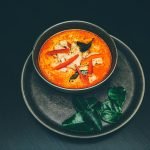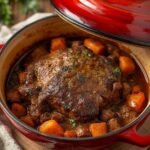

Moroccan Lamb Tagine 7 Tips: Discover the Flavors of Morocco
Moroccan cuisine has taken the world by storm, and one of its most beloved dishes is the Moroccan lamb tagine. With its rich flavors and aromatic spices, it’s no wonder that this slow-cooked stew has become a staple in kitchens around the globe. In this article, we’ll dive into the world of Moroccan cooking, exploring key ingredients, cooking techniques, and cultural traditions that make this cuisine so unique.
Thank you for reading this post, don't forget to subscribe!1. Introduction
Moroccan lamb tagine is a dish that embodies the rich culinary heritage of Morocco. As you explore the world of Moroccan cuisine, you’ll discover a blend of African, Arab, and Mediterranean flavors that are both exotic and accessible. Whether you’re a seasoned cook or just starting out, Moroccan recipes offer a delicious way to spice up your meals. One popular variation of the lamb tagine is the lamb tagine with prunes, which adds a sweet and tangy twist to the classic recipe.
2. Key Ingredients & Kitchen Basics
To start cooking Moroccan dishes, you’ll need to familiarize yourself with some essential ingredients and kitchen tools. Some must-haves include:
– Aromatic spices like cumin, coriander, and cinnamon
– Olive oil for sautéing and marinating
– Preserved lemons for adding a salty, tangy flavor
– Couscous, a staple side dish in Moroccan cuisine
– A tagine pot or heavy pan for slow-cooking stews
For international readers, finding substitutes for certain ingredients can be challenging. However, many Moroccan spices and ingredients are now widely available online or in specialty stores. You can also substitute certain ingredients with local alternatives to achieve similar flavors.
3. Moroccan Food Overview & Trends
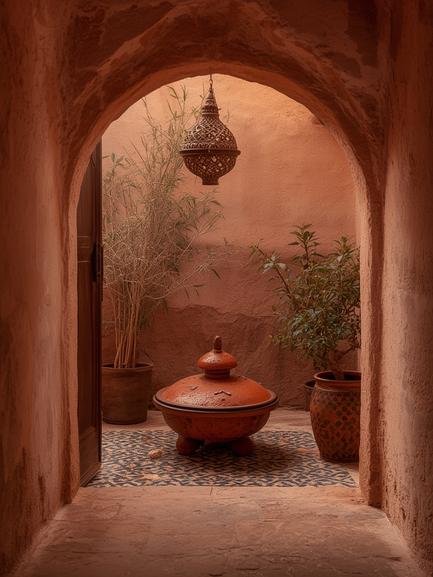
Moroccan cuisine is diverse and rich, encompassing a wide range of dishes including tagines, couscous, street food, pastries, and salads. Globally, Moroccan food is perceived as exotic and flavorful, with a growing interest in healthy, aromatic, and spicy dishes. Trends in Moroccan cuisine include healthy twists on classic recipes, vegan options, and fusion takes that blend traditional Moroccan flavors with international ingredients and techniques.
4. Step-by-Step Cooking / Recipe Guide
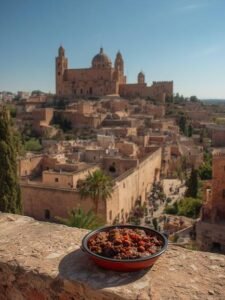
To cook a delicious Moroccan lamb tagine, follow these steps:
1. Prepare the ingredients: Cut 1 kg of lamb into bite-sized pieces and marinate them with 2 tablespoons of olive oil, 1 teaspoon of ground cumin, 1 teaspoon of ground coriander, 1 teaspoon of paprika, salt, and pepper.
2. Sear the lamb: Heat oil in a tagine or heavy pan over medium-high heat. Sear the lamb pieces until browned on all sides, then set them aside.
3. Soften the onions: Reduce heat to medium and sauté 2 large onions until they’re softened and lightly caramelized.
4. Add aromatics and spices: Add 2 cloves of minced garlic, 1 tablespoon of grated ginger, and 1 teaspoon of ground cinnamon to the pan. Stir well to combine.
5. Slow-cook the tagine: Return the lamb to the pan, add 1 cup of lamb broth and 1 cup of water, and bring to a boil. Cover and simmer for 1.5 to 2 hours, or until the lamb is tender.
6. Finish with preserved lemons: Stir in 2 tablespoons of chopped preserved lemons and a handful of fresh parsley.
7. Serve: Serve the Moroccan lamb tagine over couscous. For a variation, try making a lamb tagine with prunes by adding 1/2 cup of prunes to the stew during the last 30 minutes of cooking.
5. Serving, Pairing & Moroccan Dining Culture
In Moroccan culture, meals are often served family-style, with multiple dishes shared among guests. Traditional Moroccan dining involves eating with bread instead of cutlery, and tea is an integral part of the dining experience. When serving Moroccan dishes to international guests, consider pairing them with side dishes like salads or roasted vegetables, and offer a selection of teas or Moroccan mint tea.
6. Health, Nutrition & Dietary Adaptations
Moroccan cuisine is known for its health benefits, thanks to the use of fresh ingredients, herbs, and spices. To adapt Moroccan recipes for different diets, you can substitute ingredients or adjust cooking methods. For example, you can make vegan versions of tagines by using plant-based protein sources and vegetable broth.
7. Common Mistakes & How to Avoid Them
When cooking Moroccan dishes, common mistakes include overcooking the meat, using too much liquid, and not balancing the spices. To avoid these mistakes, make sure to marinate your ingredients, cook over low heat, and taste as you go to adjust the seasoning.
8. Future of Moroccan Cuisine Worldwide
As Moroccan cuisine continues to gain popularity worldwide, we’re seeing a rise in Moroccan restaurants, cooking classes, and street food tours. Social media is also playing a significant role in promoting Moroccan food, with influencers and bloggers sharing their favorite recipes and cooking tips.
9. Conclusion
In conclusion, Moroccan cuisine offers a rich and diverse culinary experience, with dishes like Moroccan lamb tagine and lamb tagine with prunes showcasing the best of Moroccan flavors and traditions. By exploring Moroccan recipes, ingredients, and cooking techniques, you can bring a taste of Morocco into your kitchen and enjoy the delicious and healthy benefits of this vibrant cuisine.
10. FAQs
1. Is Moroccan cuisine hard to cook for beginners?
Moroccan cuisine may seem intimidating, but many recipes are straightforward and require minimal special equipment. Start with simple dishes like salads or tagines with pre-cut ingredients.
2. How do I store leftovers of Moroccan dishes?
Most Moroccan dishes can be refrigerated or frozen for later use. Store leftovers in airtight containers and reheat gently over low heat.
3. What are the essential spices to buy first for Moroccan cooking?
Start with basic spices like cumin, coriander, cinnamon, and paprika. As you explore more recipes, you can add other spices to your collection.
4. Are there vegetarian or vegan options in Moroccan cuisine?
Yes, Moroccan cuisine offers many vegetarian and vegan options, such as vegetable tagines, salads, and couscous dishes.
5. What are the best Moroccan dishes to cook for guests?
Popular dishes like Moroccan lamb tagine, chicken tagine, and couscous with vegetables are always a hit with guests. Consider serving a variety of small dishes for a memorable dining experience.