
Moroccan Tea Etiquette: 7 Essential Steps to Mastering the Art of Moroccan Tea
Discover the rich flavors and cultural significance of Moroccan cuisine, where Moroccan tea etiquette plays a vital role in bringing people together. In this article, we’ll explore the world of Moroccan food, ingredients, and cooking techniques, and provide you with a comprehensive guide to preparing and enjoying Moroccan tea.
Thank you for reading this post, don't forget to subscribe!1. Introduction
Moroccan cuisine is a fascinating blend of African, Arab, and Mediterranean flavors, with a rich history and cultural heritage. At the heart of Moroccan hospitality is the traditional tea ceremony, where Moroccan tea etiquette is observed with great care. Understanding how to drink tea in Morocco is essential to appreciating the country’s warm and welcoming culture. As we explore the world of Moroccan food, we’ll delve into the key ingredients, cooking techniques, and cultural traditions that make this cuisine so unique.
2. Key Ingredients & Kitchen Basics
To cook Moroccan dishes, you’ll need a few essential ingredients and kitchen tools. Some of the key ingredients include:
– Spices like cumin, coriander, ginger, and cinnamon
– Olive oil and argan oil
– Preserved lemons and olives
– Couscous and other grains
– Fresh herbs like parsley and cilantro
Basic kitchen tools include a tagine pot, a heavy pan, and a teapot. When shopping for ingredients outside Morocco, you can find substitutes at Middle Eastern or international grocery stores. Online retailers also carry a range of Moroccan spices and ingredients.
3. Moroccan Food Overview & Trends
Moroccan cuisine is diverse and flavorful, with popular dishes like tagines, couscous, and pastries. Globally, Moroccan food is gaining popularity for its healthy twists, vegan options, and fusion takes on classic recipes. Trends like plant-based eating and cultural exchange are shaping the future of Moroccan cuisine.
4. Step-by-Step Cooking/Recipe Guide

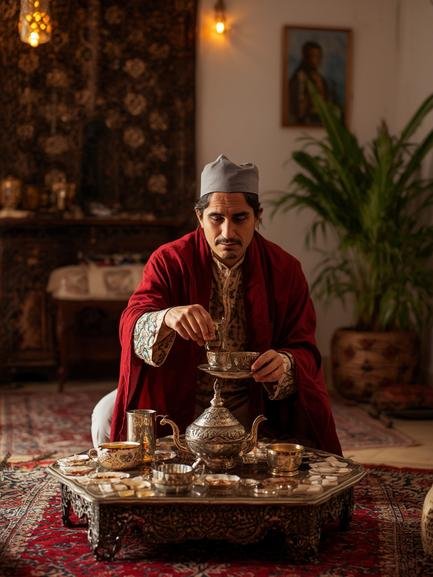
Let’s prepare a traditional Moroccan tea, following the principles of Moroccan tea etiquette. Here’s a step-by-step guide:
1. Heat water in a teapot and add green tea leaves.
2. Add fresh mint leaves and sugar to taste.
3. Pour the tea from a height to create a frothy texture.
4. Serve the tea in small glasses and enjoy while observing how to drink tea in Morocco.
5. Serving, Pairing & Moroccan Dining Culture
In Morocco, meals are often served family-style, with sharing plates and bread instead of cutlery. Tea is an integral part of the dining experience and is typically served at the beginning and end of meals. When hosting international guests, consider serving a variety of small dishes, such as salads and pastries, along with traditional Moroccan tea.
6. Health, Nutrition & Dietary Adaptations
Moroccan cuisine is known for its healthy ingredients and balanced flavors. To adapt recipes for different diets, consider substituting ingredients like meat with plant-based alternatives or using gluten-free grains. By making a few simple adjustments, you can enjoy the rich flavors of Moroccan cuisine while meeting your dietary needs.
7. Common Mistakes & How to Avoid Them
When cooking Moroccan food, common mistakes include overcooking, using the wrong spice balance, and skipping marination. To avoid these mistakes, follow recipes carefully, and take the time to prepare ingredients properly. With practice and patience, you’ll become a skilled Moroccan cook.
8. Future of Moroccan Cuisine Worldwide
Moroccan cuisine is gaining popularity globally, with popular dishes like tagines and couscous appearing on menus around the world. As social media and food trends continue to evolve, we can expect to see new and innovative takes on traditional Moroccan recipes.
9. Conclusion
In conclusion, Moroccan cuisine is a rich and flavorful reflection of the country’s cultural heritage. By understanding Moroccan tea etiquette and learning how to drink tea in Morocco, you can deepen your appreciation for this beautiful culture. We encourage you to try new recipes, experiment with spices, and explore the world of Moroccan food.
10. FAQs
1. How difficult are Moroccan recipes for beginners?
Moroccan recipes can be simple or complex, depending on the dish. Start with basic recipes like salads and tagines, and gradually experiment with more intricate dishes.
2. How do I store leftovers of Moroccan dishes?
Store leftovers in airtight containers in the refrigerator, and reheat them gently before serving.
3. What are the essential spices to buy first for Moroccan cooking?
Start with cumin, coriander, ginger, and cinnamon, and gradually add more spices to your collection.
4. Are there vegetarian options in Moroccan cuisine?
Yes, Moroccan cuisine offers a range of vegetarian options, including salads, tagines, and couscous dishes.
5. What are the best Moroccan dishes to cook for guests?
Consider serving a variety of small dishes, such as pastries, salads, and tagines, along with traditional Moroccan tea.