
Moroccan cuisine is a vibrant tapestry of flavors, colors, and aromas, reflecting the country’s rich cultural heritage. The excitement of discovering and cooking Moroccan dishes lies not only in the flavors but also in the cultural immersion it provides. By learning to cook Moroccan food, you are not just mastering recipes; you are experiencing a part of Moroccan culture.
Thank you for reading this post, don't forget to subscribe!Whether you’re a food enthusiast or a curious cook, diving into the world of Moroccan cuisine can be a rewarding adventure. In this article, we’ll explore the essential elements of Moroccan cooking and guide you through the process of preparing delicious Moroccan dishes at home.
2. Key Ingredients & Kitchen Basics
Before diving into Moroccan cooking, it’s essential to familiarize yourself with the key ingredients and kitchen tools. Moroccan cuisine relies heavily on a variety of spices, including cumin, coriander, ginger, and turmeric. Other staples include olive oil, preserved lemons, and couscous. Essential kitchen tools include a tagine pot, a heavy pan, and a tea pot. For international readers, finding substitutes and buying ingredients outside Morocco can be challenging, but many online stores and specialty shops now carry Moroccan ingredients.
Some must-have ingredients for Moroccan cooking include:
– Spices: cumin, coriander, ginger, turmeric, cinnamon, and paprika
– Olive oil and preserved lemons for added flavor
– Couscous, a staple in Moroccan cuisine
– Fresh herbs like parsley and cilantro
Basic kitchen tools:
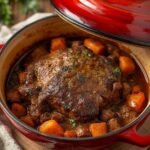
– Tagine pot for slow-cooking stews
– Heavy pan for sautéing and browning
– Tea pot for traditional Moroccan tea
3. Moroccan Food Overview & Trends
Moroccan cuisine is characterized by its diversity, with main families of dishes including tagines, couscous, street food, pastries, and salads. Globally, Moroccan food is perceived as a blend of Mediterranean and African flavors, known for its rich and aromatic dishes. Current trends in Moroccan cuisine include healthy twists on traditional recipes, vegan options, and fusion takes on classic dishes.
4. Step-by-Step Cooking / Recipe Guide
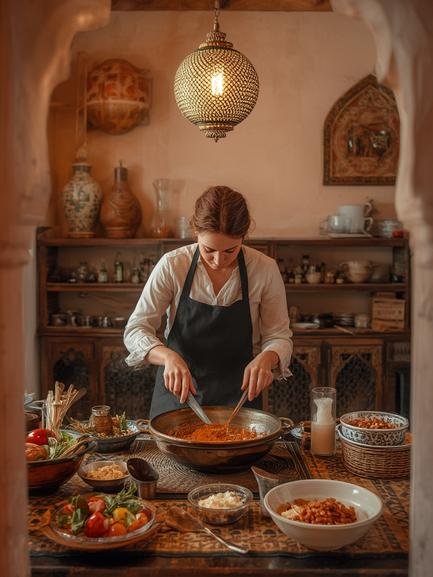
To truly experience Moroccan cuisine, let’s dive into a step-by-step guide to preparing a classic Moroccan dish: Chicken Tagine with Preserved Lemons and Olives. This recipe is a staple in Moroccan cooking and is often featured in Moroccan cooking class Marrakech courses.
Preparation Time: 30 minutes
Cooking Time: 45 minutes
Servings: 4-6
Ingredients:
– 1 whole chicken, cut into pieces
– 2 preserved lemons, chopped
– 1/4 cup green olives, pitted
– 2 tablespoons olive oil
– 1 onion, chopped
– 2 cloves garlic, minced
– 1 tablespoon grated ginger
– 1 teaspoon ground cumin
– 1 teaspoon ground coriander
– 1/2 teaspoon turmeric
– Salt and pepper to taste
– Fresh parsley, chopped (for garnish)
Step-by-Step Instructions:
1. Heat olive oil in a tagine or heavy pan over medium heat. Add the chopped onion and cook until softened.
2. Add the minced garlic and grated ginger, cooking for another minute.
3. Add the chicken pieces and cook until browned on all sides.
4. Add the chopped preserved lemons, green olives, cumin, coriander, turmeric, salt, and pepper. Stir well to combine.
5. Cover the tagine and simmer for 45 minutes, or until the chicken is tender.
6. Garnish with chopped fresh parsley and serve over couscous.
A Marrakech food workshop can provide additional tips and techniques for mastering this dish.
5. Serving, Pairing & Moroccan Dining Culture
Moroccan dishes are traditionally served family-style, with a variety of sharing plates and bread instead of cutlery. Tea is an integral part of Moroccan dining culture, with mint tea being the most popular. When serving Moroccan dishes, consider pairing them with side dishes like salads or pickled vegetables. For drinks, Moroccan mint tea or fresh lemonade are excellent choices. Desserts like baklava or fruit salad with orange blossom water are perfect for ending a meal.
6. Health, Nutrition & Dietary Adaptations
Moroccan cuisine is known for its balanced and nutritious dishes, often featuring a mix of vegetables, fruits, and lean proteins. To adapt Moroccan recipes to different diets, consider substituting ingredients or adjusting portion sizes. For vegetarian or vegan options, omit meat and focus on vegetables and legumes. For gluten-free diets, use gluten-free couscous or substitute with quinoa.
7. Common Mistakes & How to Avoid Them
Common mistakes when cooking Moroccan food include overcooking, using the wrong spice balance, and skipping marination. To avoid these mistakes, ensure that you marinate your ingredients, use the right amount of spices, and cook your dishes over low heat to prevent overcooking.
8. Future of Moroccan Cuisine Worldwide
Moroccan cuisine is spreading globally, with popular dishes like tagines and couscous becoming staples in many restaurants. The rise of social media has also contributed to the popularity of Moroccan food, with many food bloggers and influencers sharing their experiences and recipes. As the world becomes more interconnected, we can expect to see more fusion takes on traditional Moroccan recipes and a continued interest in Moroccan cuisine.
9. Conclusion
Discovering and cooking Moroccan dishes is a rewarding experience that allows you to explore a new culture and cuisine. By mastering the essential ingredients, kitchen tools, and cooking techniques, you can create delicious Moroccan dishes at home. Whether you’re joining a Moroccan cooking class Marrakech or experimenting with new recipes, the world of Moroccan cuisine is full of exciting flavors and possibilities. Be sure to check out a Marrakech food workshop to further enhance your culinary journey.
10. FAQs
1. How hard are Moroccan recipes for beginners?
Moroccan recipes can be adapted to suit all skill levels. Start with simple dishes like salads or tagines and gradually move on to more complex recipes.
2. How do I store leftovers of Moroccan dishes?
Store leftovers in airtight containers in the refrigerator for up to 3 days. Reheat gently over low heat or in the microwave.
3. What are the essential spices to buy first for Moroccan cooking?
Start with cumin, coriander, ginger, turmeric, and paprika. These spices form the foundation of many Moroccan dishes.
4. What are some popular vegetarian options in Moroccan cuisine?
Vegetarian options include vegetable tagines, stuffed bell peppers, and salads like zaalouk (eggplant salad).
5. What are the best Moroccan dishes to cook for guests?
Popular dishes for guests include chicken or lamb tagines, couscous with vegetables, and pastries like baklava.