
Moroccan cuisine is a vibrant tapestry of Mediterranean, Arab, and Berber influences. For many, cooking Moroccan dishes is not just about following a recipe; it’s about experiencing a culture. Moroccan food for tourists is more than just a meal; it’s an exploration of flavors and traditions. As you embark on this culinary journey, you might wonder is Moroccan food spicy. The answer is nuanced, as Moroccan cuisine balances spices to create complex, often not overly spicy, flavors.
Thank you for reading this post, don't forget to subscribe!2. Key Ingredients & Kitchen Basics
Understanding Moroccan cuisine begins with its ingredients and tools. Essential spices include cumin, coriander, cinnamon, and turmeric. Preserved lemons and olives add a salty, tangy flavor. Couscous is a staple grain, often served with vegetables and meat. A tagine pot, with its unique conical lid, is crucial for slow-cooking stews. For those outside Morocco, substitutes like a heavy Dutch oven can work well. Online stores and Middle Eastern markets are great resources for harder-to-find ingredients.
3. Moroccan Food Overview & Trends
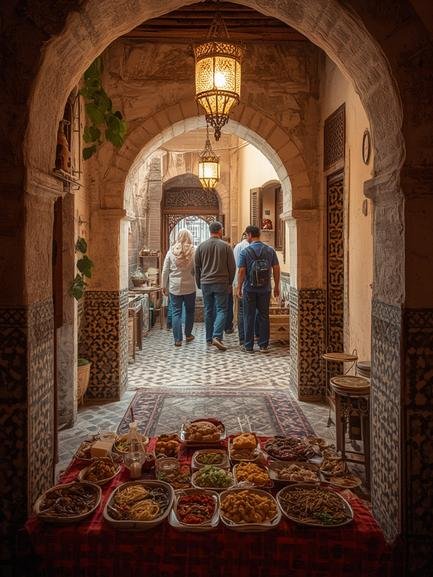
Moroccan cuisine is diverse, with main categories including tagines, couscous dishes, street food like kebabs, and pastries such as baklava. Globally, Moroccan food is appreciated for its rich flavors and health-conscious ingredients. Trends include vegan tagines, fusion dishes that blend Moroccan spices with international flavors, and healthy twists on traditional recipes.
4. Step-by-Step Cooking / Recipe Guide
Let’s cook a classic Chicken Tagine with Preserved Lemons and Olives, a quintessential dish for Moroccan food for tourists.
Ingredients:
– 1 lb chicken thighs
– 2 preserved lemons, chopped
– 1/4 cup green olives
– 2 tbsp olive oil
– 1 tsp ground cumin
– 1 tsp ground coriander
– 1/2 tsp turmeric
– 1/2 tsp cinnamon
– Salt and pepper to taste
– 2 cloves garlic, minced
– 1 cup chicken broth
– Fresh parsley, chopped (for garnish)
Instructions:
1. Heat olive oil in a tagine or Dutch oven over medium heat.
2. Add garlic and cook until fragrant.
3. Add the chicken and cook until browned.
4. Add cumin, coriander, turmeric, and cinnamon. Season with salt and pepper.
5. Add preserved lemons, olives, and chicken broth. Bring to a simmer.
6. Cover and cook for 30-40 minutes or until the chicken is tender.
7. Garnish with parsley and serve over couscous.
This dish showcases the balance of flavors in Moroccan cuisine and answers the question of is Moroccan food spicy by demonstrating how spices are used to enhance, not overpower, the dish.

5. Serving, Pairing & Moroccan Dining Culture
Moroccan meals are traditionally served family-style, with dishes placed in the center of the table. Bread is used instead of cutlery to scoop up food. Mint tea is a staple beverage, served throughout meals. For dessert, pastries like baklava or fruit salads are common. When serving Moroccan dishes to international guests, consider pairing tagines with couscous or salads and offering a variety of drinks, including mint tea and Moroccan wines.
6. Health, Nutrition & Dietary Adaptations
Moroccan cuisine is generally healthy, emphasizing vegetables, lean meats, and whole grains. To adapt recipes for different diets, consider substituting meat with tofu or tempeh for vegetarian or vegan options. Use gluten-free couscous or alternative grains for gluten-free diets. Reducing salt is achievable by limiting preserved ingredients and using herbs for flavor.
7. Common Mistakes & How to Avoid Them
Common mistakes include overcooking meat, using too much liquid, and not marinating ingredients long enough. To avoid these, use a meat thermometer, start with less liquid and adjust as needed, and marinate proteins for at least a few hours or overnight.
8. Future of Moroccan Cuisine Worldwide
Moroccan cuisine is spreading globally, with popular dishes like tagines and couscous appearing on menus worldwide. Cooking classes and street food tours offer immersive culinary experiences. Social media platforms are showcasing Moroccan food’s beauty and diversity, inspiring a new generation of chefs and home cooks.
9. Conclusion
Exploring Moroccan food for tourists is a journey into a rich culinary culture. By understanding the balance of spices and cooking techniques, you can experience the depth of Moroccan cuisine. Whether you’re a seasoned cook or a beginner, Moroccan recipes offer something for everyone. So, dive into the world of tagines, couscous, and pastries, and discover that is Moroccan food spicy is a question with a nuanced answer – it’s about balance and variety.
10. FAQs
1. How hard are Moroccan recipes for beginners?
Moroccan recipes can be straightforward, with many dishes requiring just a few ingredients and basic cooking techniques. Start with simple recipes like salads or grilled meats.
2. How do I store leftovers of Moroccan dishes?
Most Moroccan dishes can be refrigerated for up to 3 days. Reheat gently, adding a little water if the dish has thickened.
3. What are essential spices to buy first for Moroccan cooking?
Start with cumin, coriander, cinnamon, and turmeric. These spices form the foundation of many Moroccan dishes.
4. Are there many vegetarian options in Moroccan cuisine?
Yes, Moroccan cuisine offers a variety of vegetarian dishes, including vegetable tagines, salads, and couscous with vegetables.
5. What are the best Moroccan dishes to cook for guests?
Dishes like Chicken Tagine, Couscous with Vegetables, and pastries like baklava are always appreciated. They showcase the diversity and richness of Moroccan cuisine.