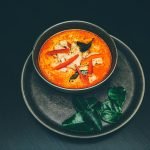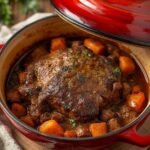

Discover the magic of Moroccan cuisine with the aromatic Ras el hanout spice, a cornerstone of the country’s rich culinary heritage. Moroccan food is known for its bold flavors, vibrant colors, and enticing aromas, all of which are deeply rooted in its cultural and historical context. As you embark on this culinary journey, you’ll find that Moroccan spice blend plays a pivotal role in creating the distinctive taste profiles that characterize Moroccan dishes.
Thank you for reading this post, don't forget to subscribe!1. Introduction
Moroccan cuisine is a fascinating blend of African, Arab, and Mediterranean flavors, offering a unique gastronomic experience. At its heart lies the Ras el hanout spice, a complex blend that translates to “head of the shop,” signifying the best spices a vendor has to offer. This blend is integral to many traditional recipes, adding depth and warmth. The use of Moroccan spice blend in cooking not only enhances the flavor but also connects the cook to centuries-old traditions.
2. Key Ingredients & Kitchen Basics
To start cooking Moroccan dishes, you’ll need some essential ingredients and kitchen tools. Key spices include cumin, coriander, cinnamon, and, of course, Ras el hanout spice. Other staples are olive oil, preserved lemons, and couscous. For cooking, a tagine pot is ideal, but a heavy pan can be a good substitute. For international readers, these ingredients can be found in Middle Eastern or international grocery stores, or online.
3. Moroccan Food Overview & Trends
Moroccan cuisine is diverse, ranging from hearty tagines and couscous dishes to street food and pastries. Globally, Moroccan food is appreciated for its rich flavors and health-conscious ingredients. Trends include vegan and fusion adaptations of classic recipes, making Moroccan cuisine accessible to a wide audience. 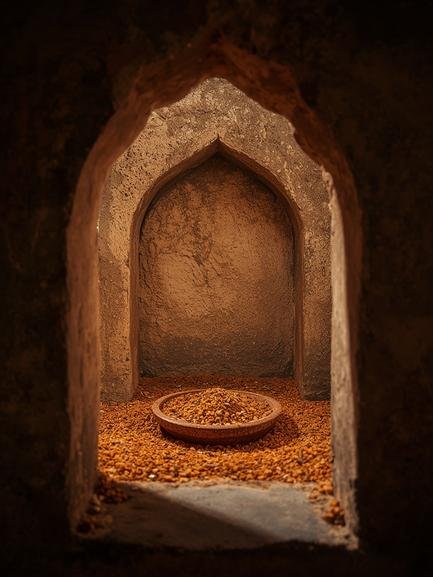
4. Step-by-Step Cooking / Recipe Guide
Let’s dive into a simple yet flavorful recipe that showcases the Ras el hanout spice and Moroccan spice blend. Here’s a recipe for Chicken Tagine with Preserved Lemons and Olives.
1. Preparation: Marinate 1kg of chicken pieces in a mix of 2 tablespoons olive oil, 1 tablespoon Ras el hanout spice, 1 teaspoon ground ginger, and salt. Let it sit for at least 30 minutes.
2. Cooking: In a tagine or heavy pan, sauté 1 large onion until softened. Add the marinated chicken and cook until browned. Add 2 cloves of minced garlic, 1 preserved lemon (chopped), and 1 cup of green olives. Pour in 1 cup of chicken broth and bring to a simmer. Let it cook for 30-40 minutes or until the chicken is tender.
3. Serving: Garnish with fresh parsley and serve over couscous. This dish is a perfect example of how Moroccan spice blend elevates the flavor profile.

5. Serving, Pairing & Moroccan Dining Culture
Moroccan meals are often served family-style, with dishes placed in the center of the table and diners using bread to scoop up food. Traditional pairings include mint tea, a staple in Moroccan culture, and salads. For dessert, pastries like baklava are popular.
6. Health, Nutrition & Dietary Adaptations
Moroccan cuisine is known for its health benefits, with a focus on vegetables, lean meats, and whole grains. To adapt recipes for different diets, one can substitute ingredients: for vegan versions, use plant-based protein sources and vegan-friendly preserved lemons; for gluten-free, use gluten-free couscous or alternatives like quinoa.
7. Common Mistakes & How to Avoid Them
Common mistakes include overcooking, which can make meat tough, and using too much liquid, resulting in a soggy dish. To avoid these, monitor cooking times and liquid levels closely. Also, skimping on marination can result in less flavorful dishes.
8. Future of Moroccan Cuisine Worldwide
Moroccan cuisine is gaining popularity worldwide, with cooking classes and street food tours becoming increasingly popular. Social media platforms are filled with Moroccan recipes and cooking challenges, indicating a growing interest in this rich culinary tradition.
9. Conclusion
In conclusion, Moroccan cuisine offers a rich tapestry of flavors and traditions. By understanding and using Ras el hanout spice and other Moroccan spice blend, home cooks can recreate authentic dishes. We encourage you to experiment with these spices and explore more recipes to bring a taste of Morocco to your table.
10. FAQs
1. Is Moroccan cuisine hard to cook for beginners?
– While some dishes may require specific ingredients or techniques, many Moroccan recipes are straightforward and rewarding for beginners.
2. How do I store leftover Moroccan dishes?
– Most Moroccan dishes can be refrigerated for up to 3 days. Reheat gently to preserve flavors.
3. What are the essential spices to start with?
– Begin with basics like cumin, coriander, cinnamon, and Ras el hanout spice for authentic flavors.
4. Are there vegetarian options in Moroccan cuisine?
– Yes, many traditional dishes are vegetarian or can be easily adapted, such as vegetable tagines and salads.
5. What are the best Moroccan dishes to cook for guests?
– Chicken tagine and couscous with vegetables are popular and crowd-pleasing options.